
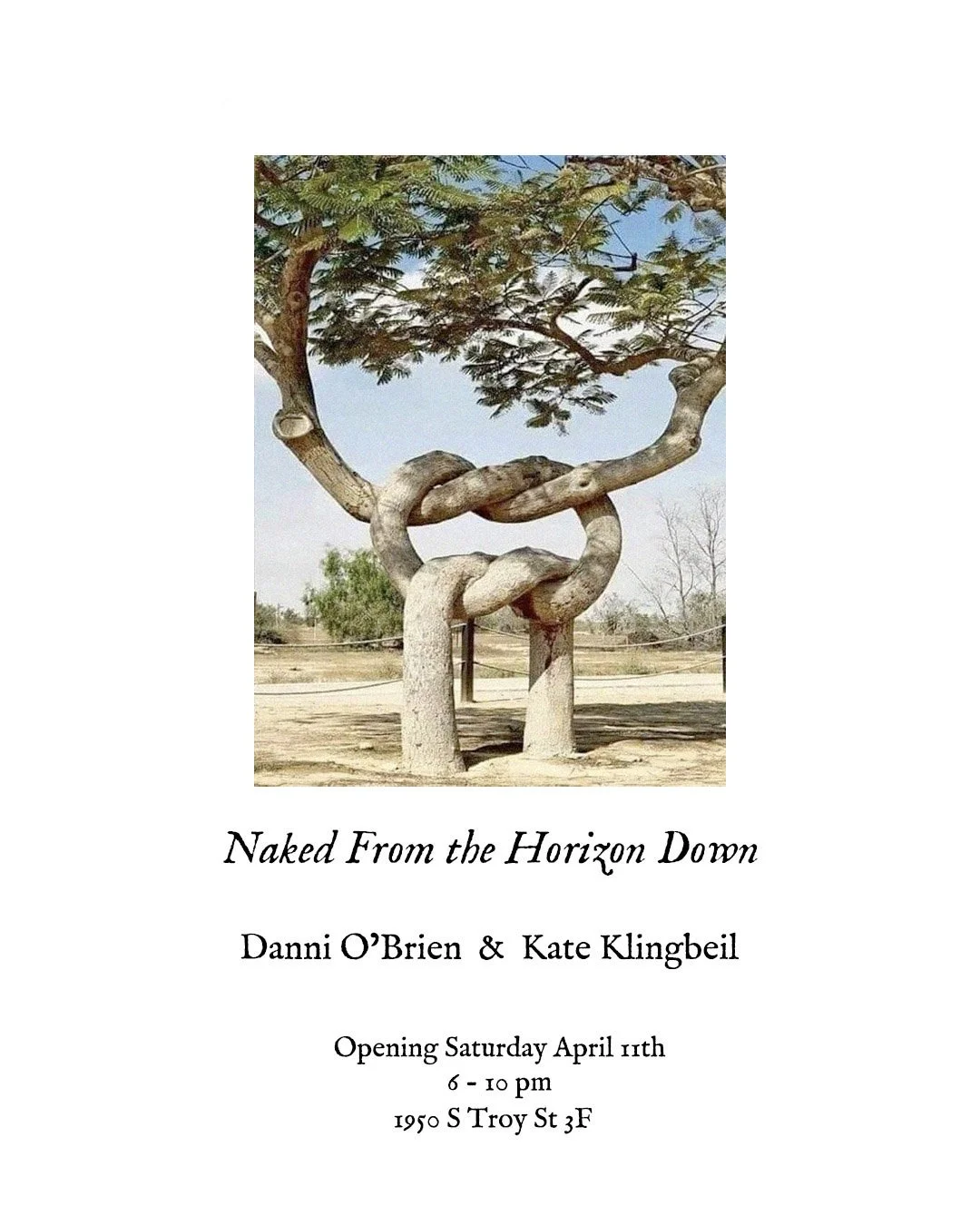
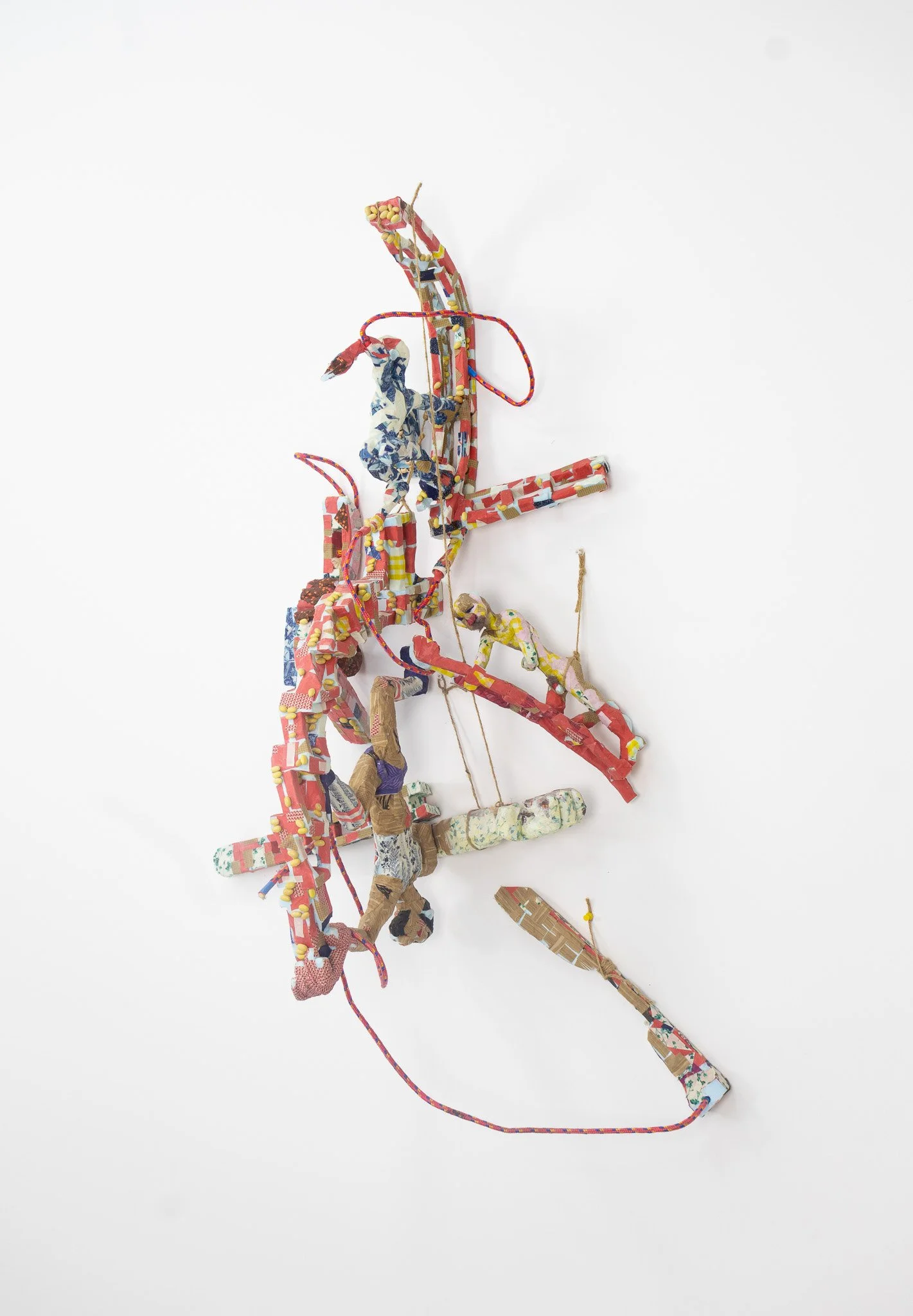
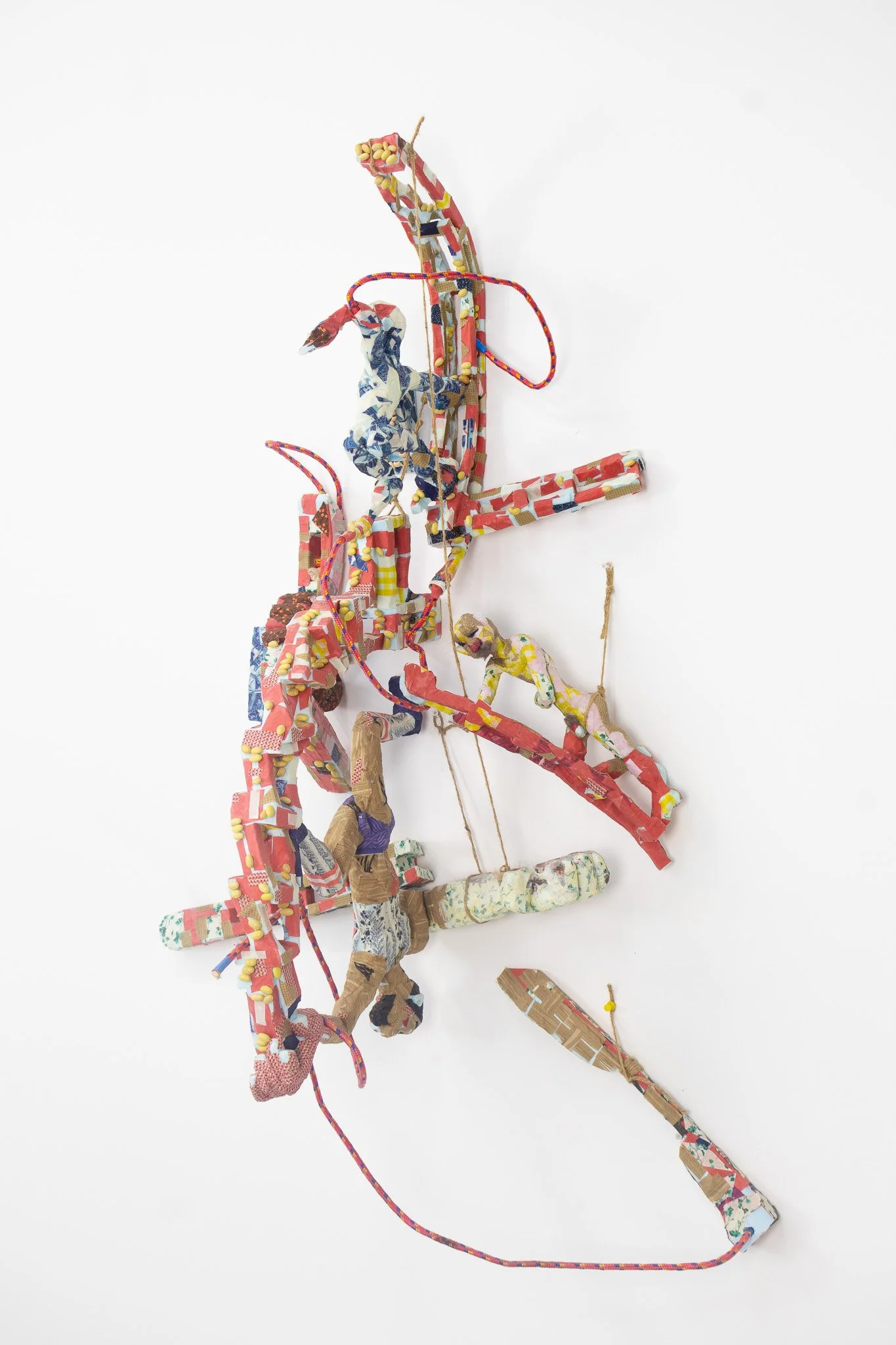
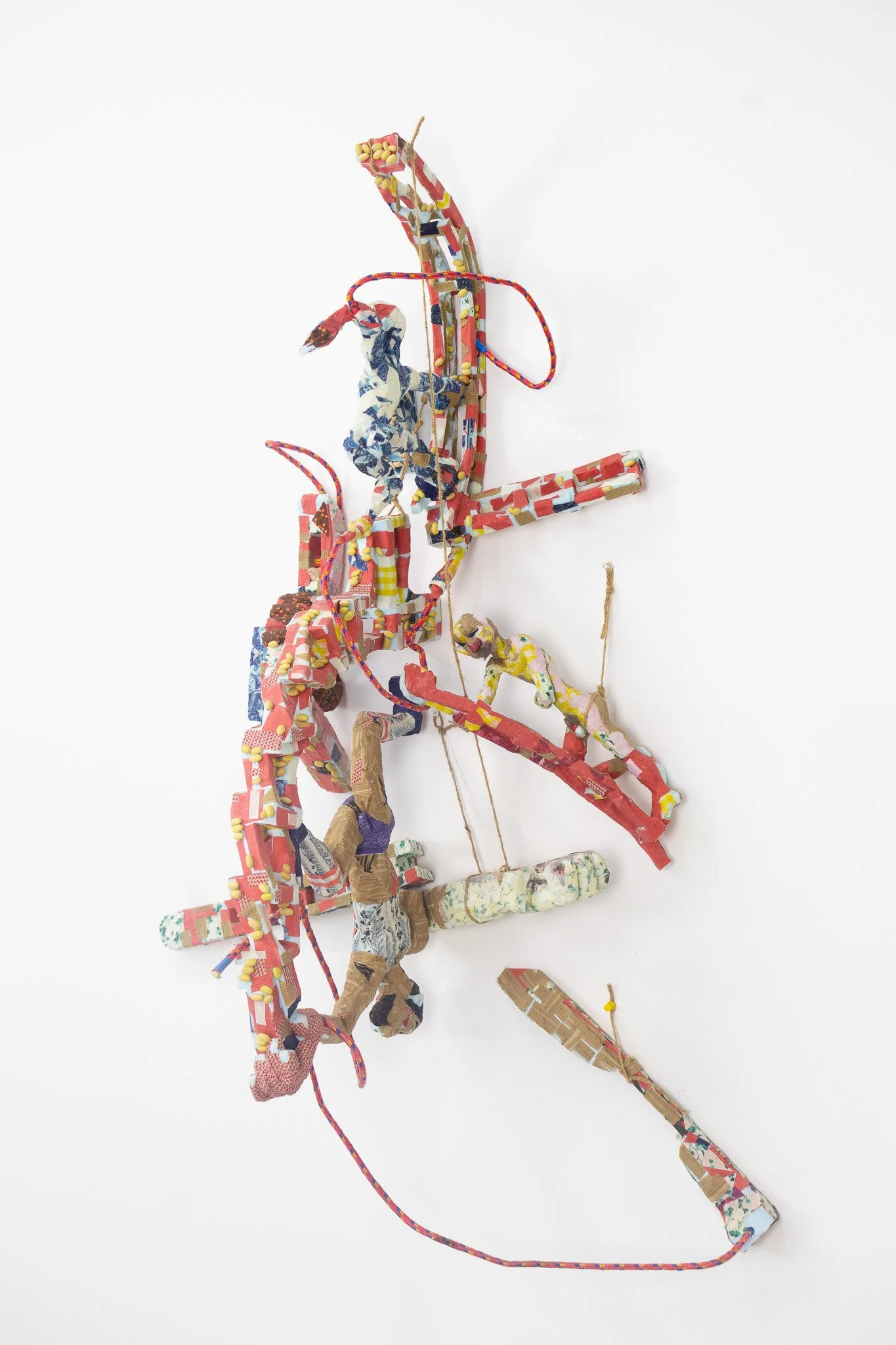
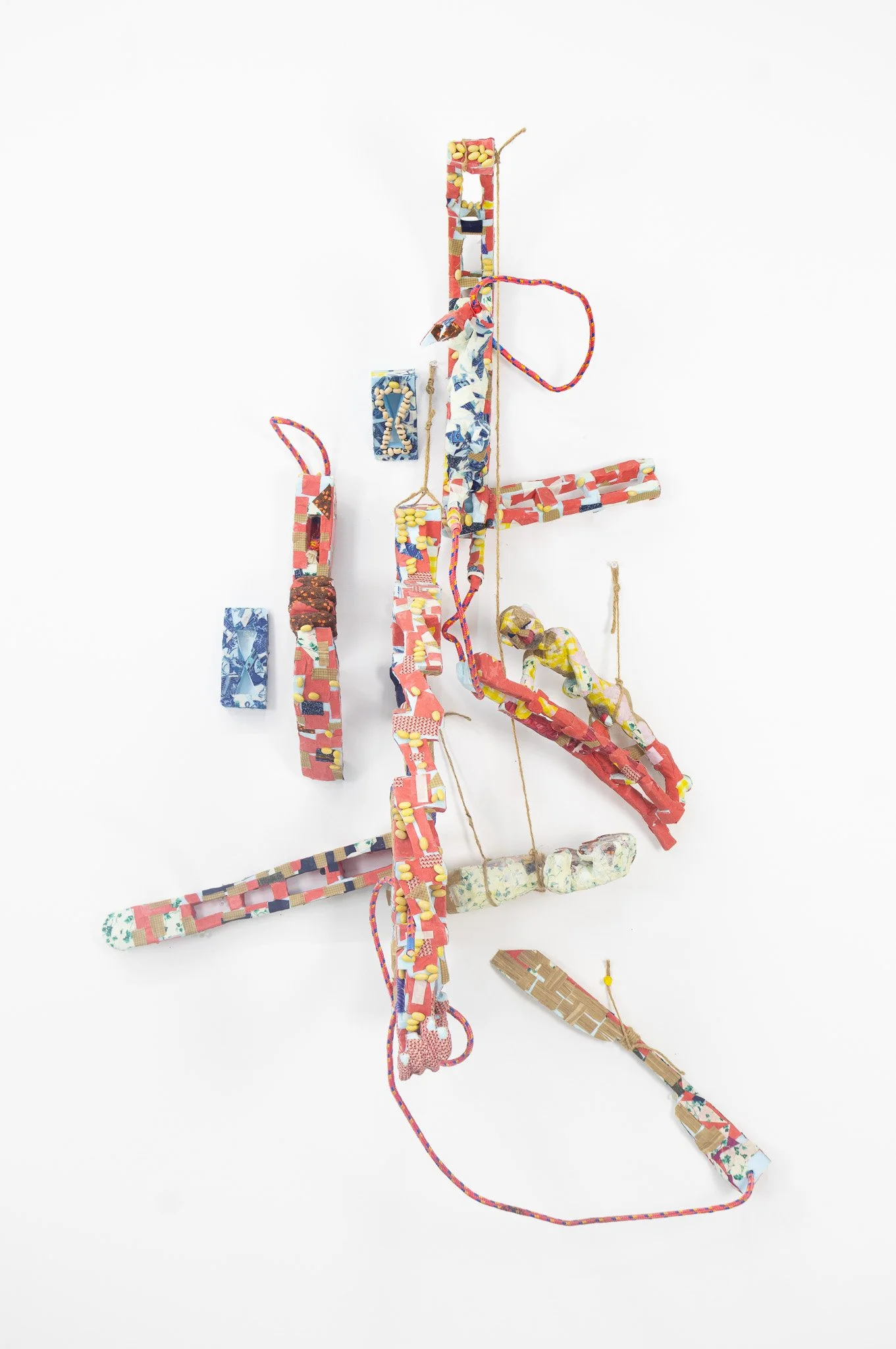
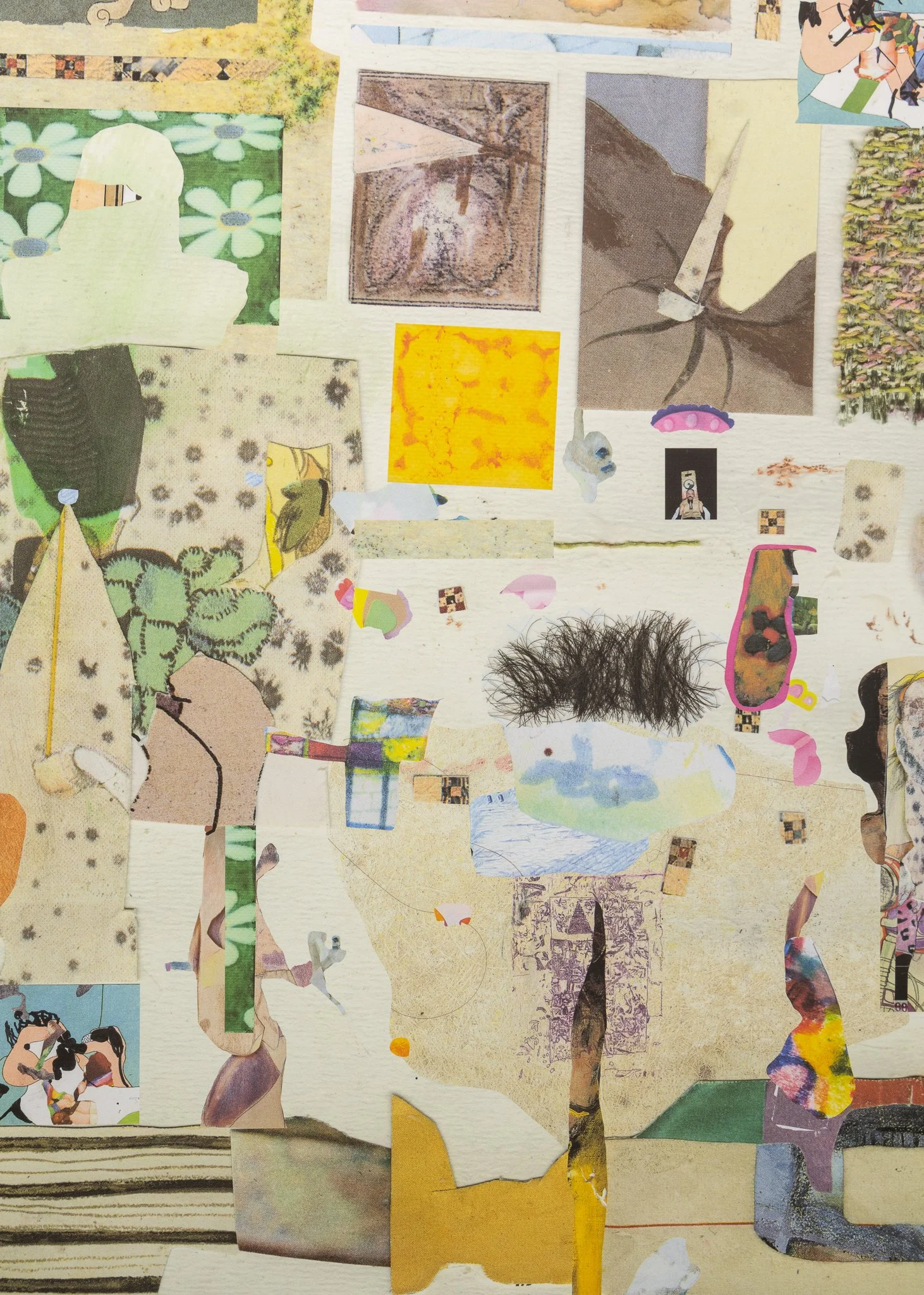
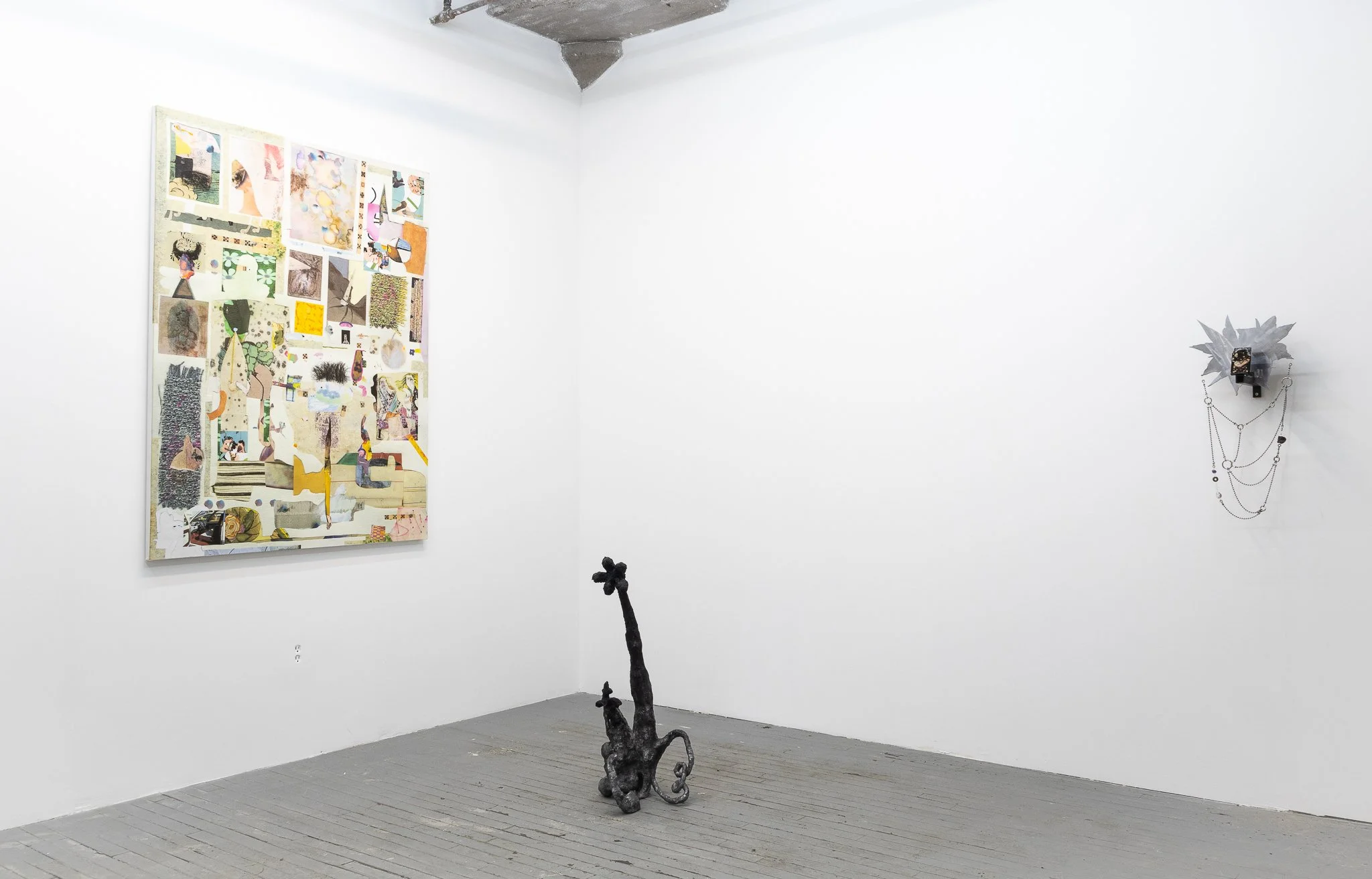
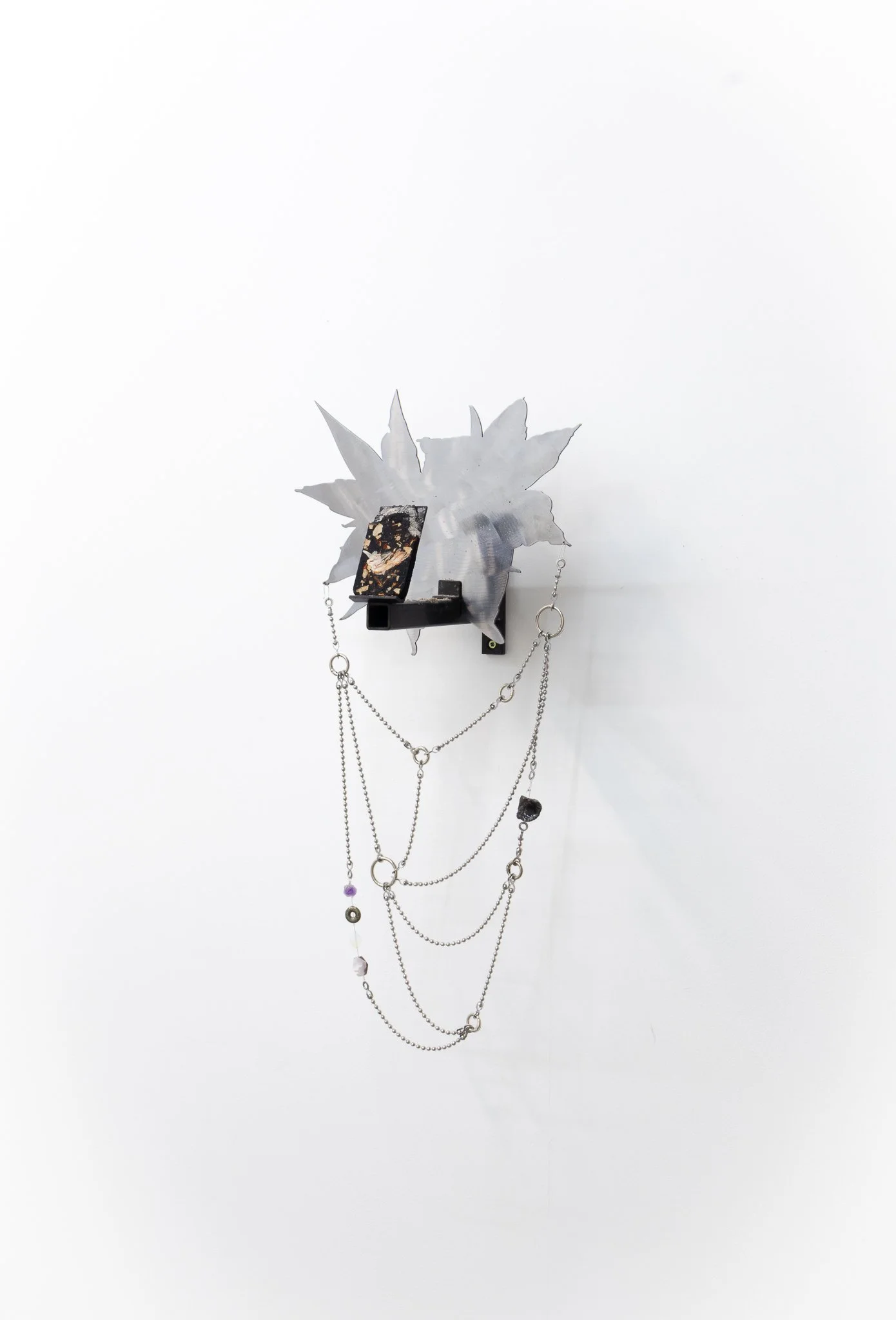
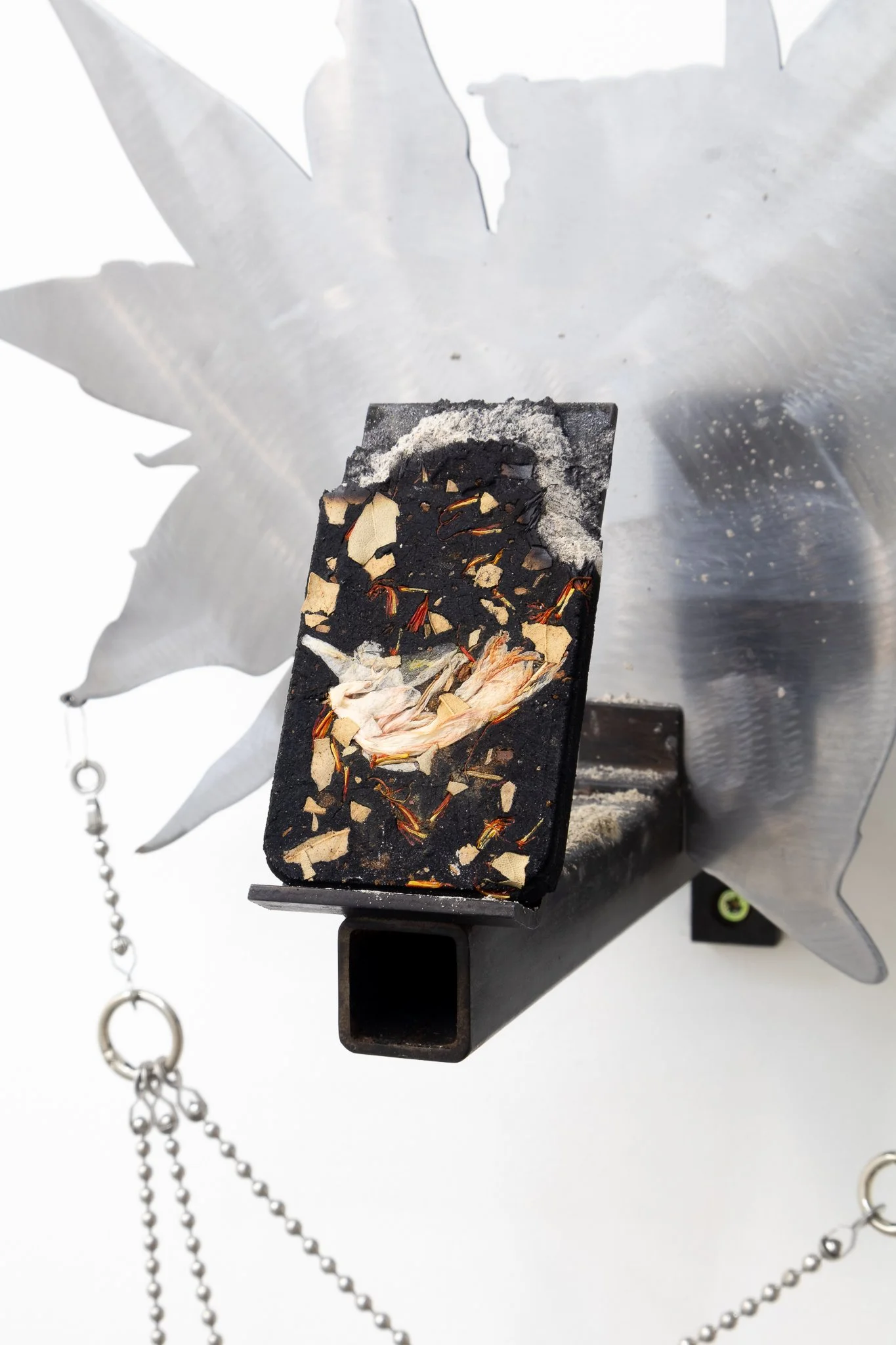
Naked From the Horizon Down unfolds as a study in attachment—how things grow toward, around, and through one another. Not a singular structure, but a system: lateral, searching, and often unseen. Tendrils reach. Roots negotiate. What gathers at the surface is rarely where it begins.
Borrowing from rhizomatic thinking and subterranean networks, the exhibition considers growth as something that resists clean origin or endpoint. Here, accumulation is not linear. It loops, doubles back, and embeds itself in material, memory, and terrain. What is buried is not dormant—it is active, communicative, and quietly shaping what comes into view, accreting like a midden.
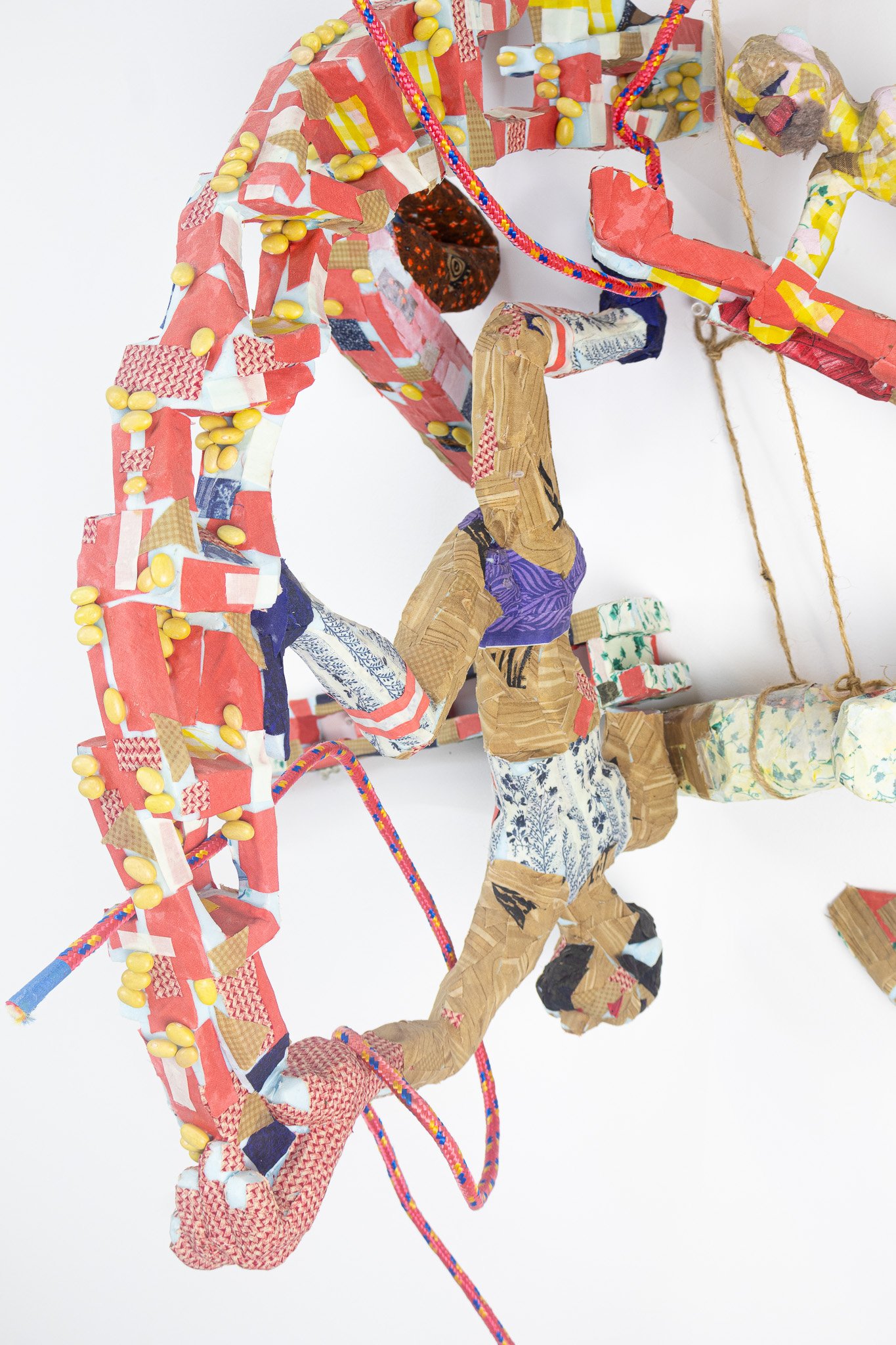
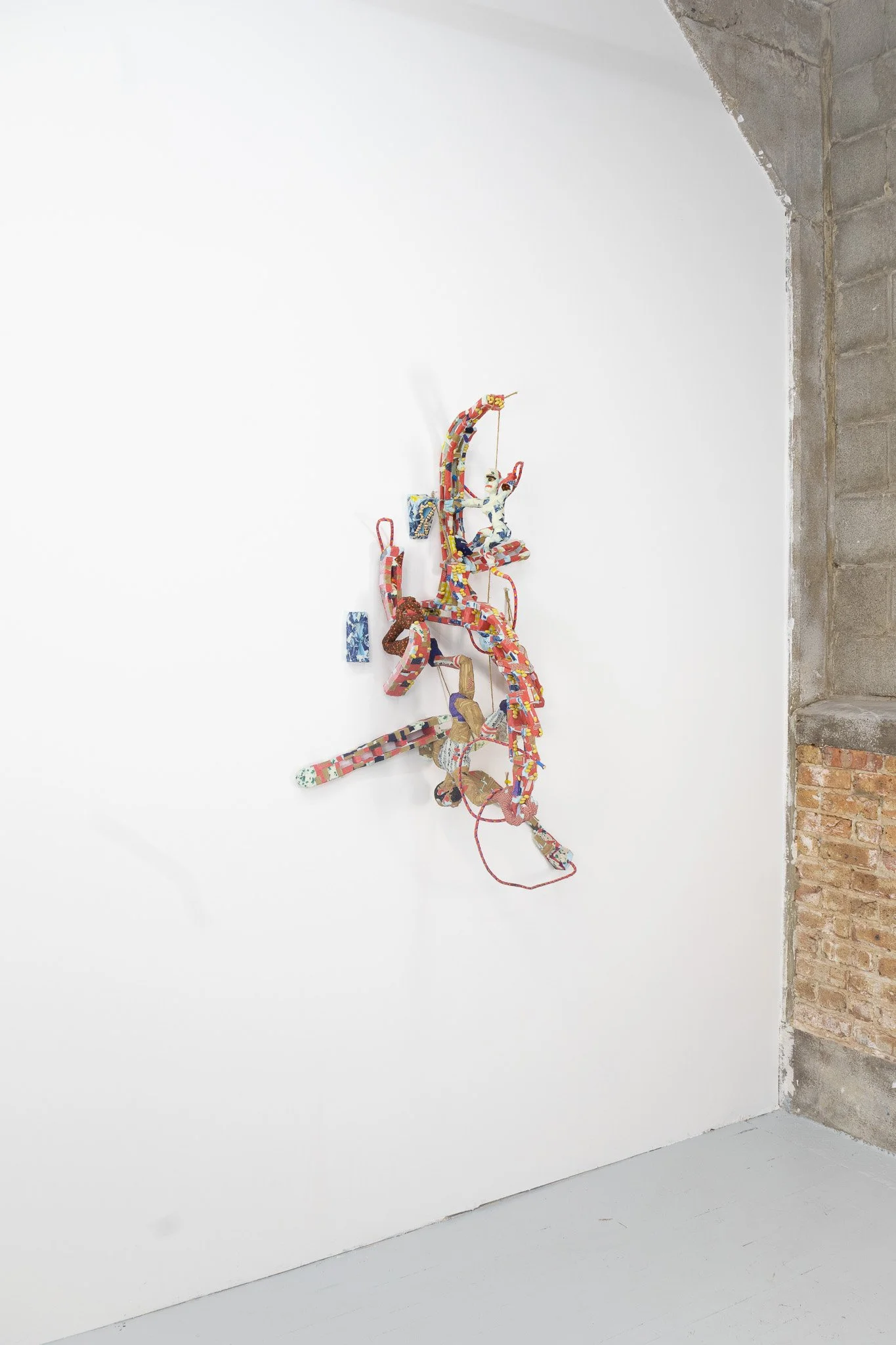
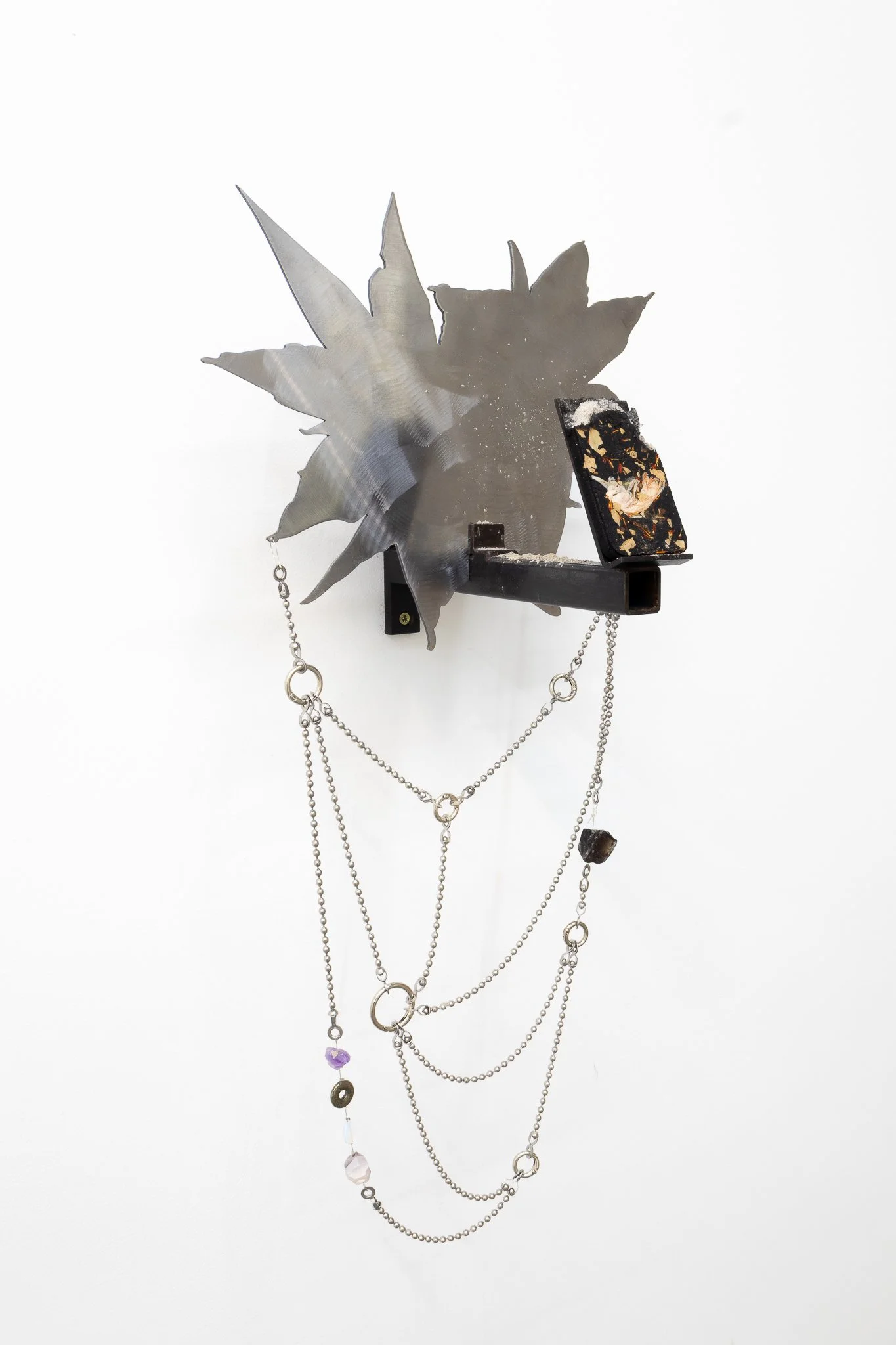
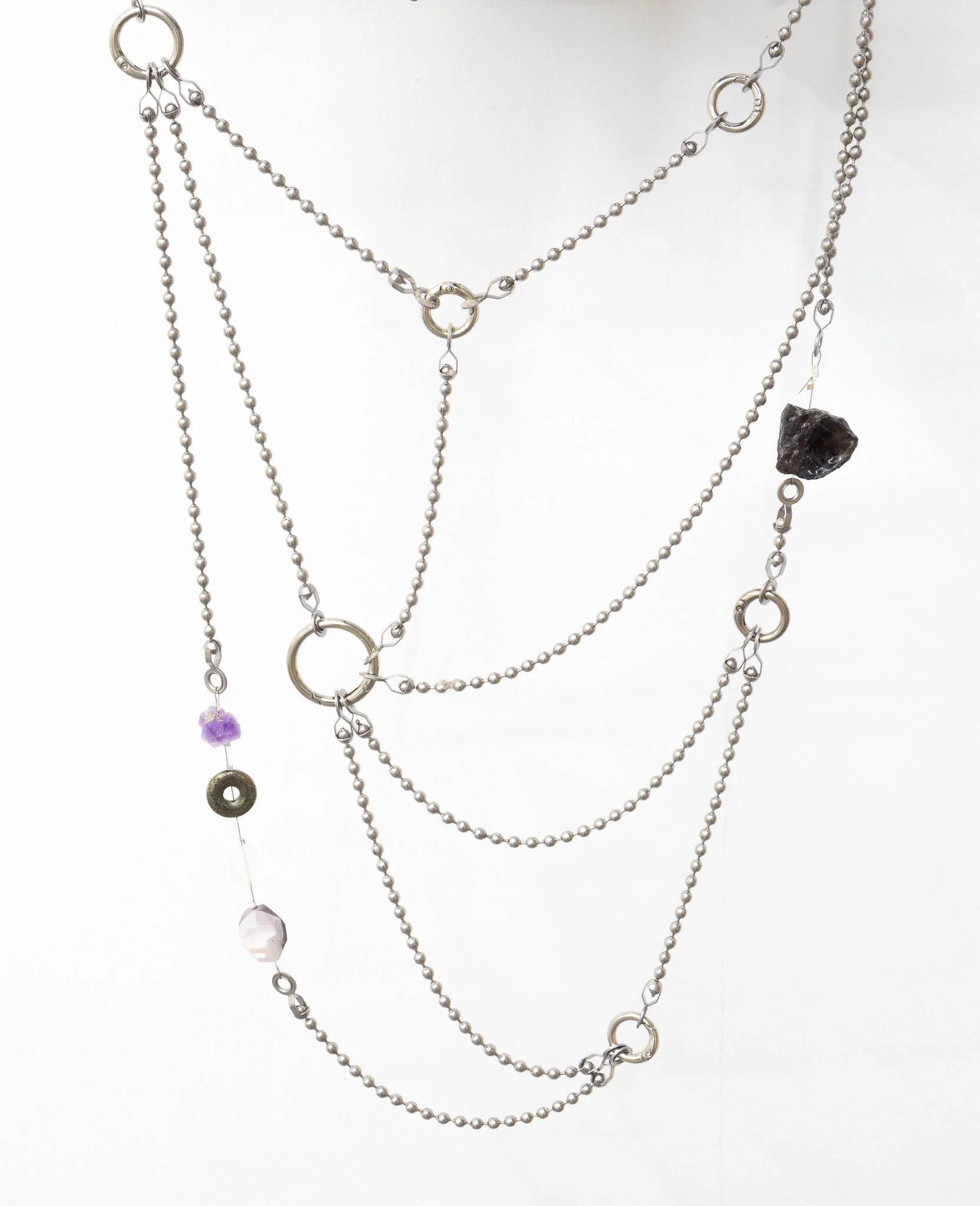
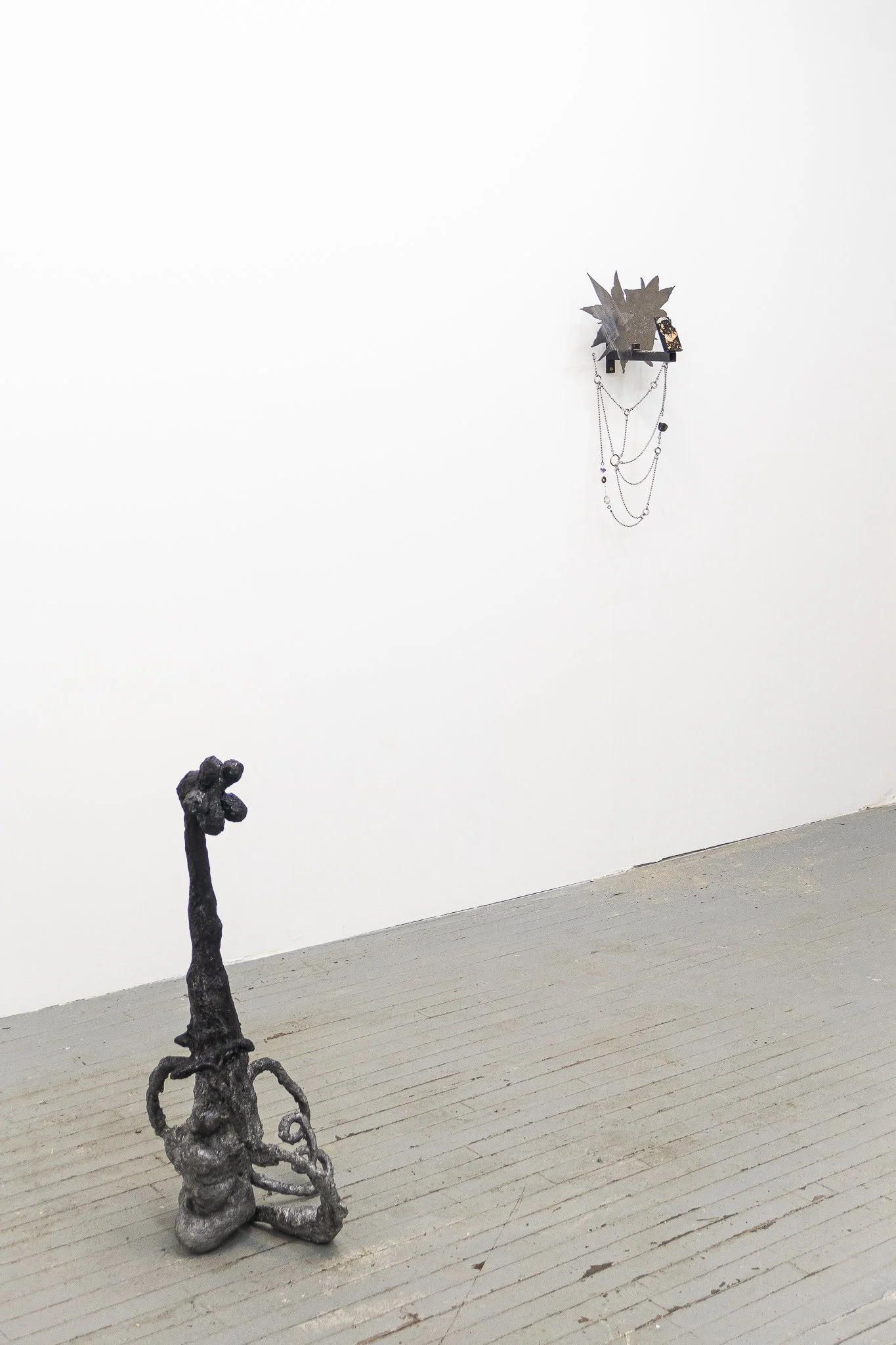
Across their practices, Danni O’Brien and Kate Klingbeil work through fragments—kept, discarded, and recovered—reconfigured into dense, interdependent systems. Their processes move through cycles of breakdown and reassembly, mapping psychological states onto ecological logics. Nothing is fixed. Everything is in process—grafting, compressing, sedimenting.In this space, cultivation gives way to something less stable. What is trained to hold may also constrict. What is left to spread may overtake. Naked From the Horizon Down lingers in this tension—between visibility and concealment, between what is held together and what pulls apart. Growth is not neutral. It binds, it remembers, it insists.
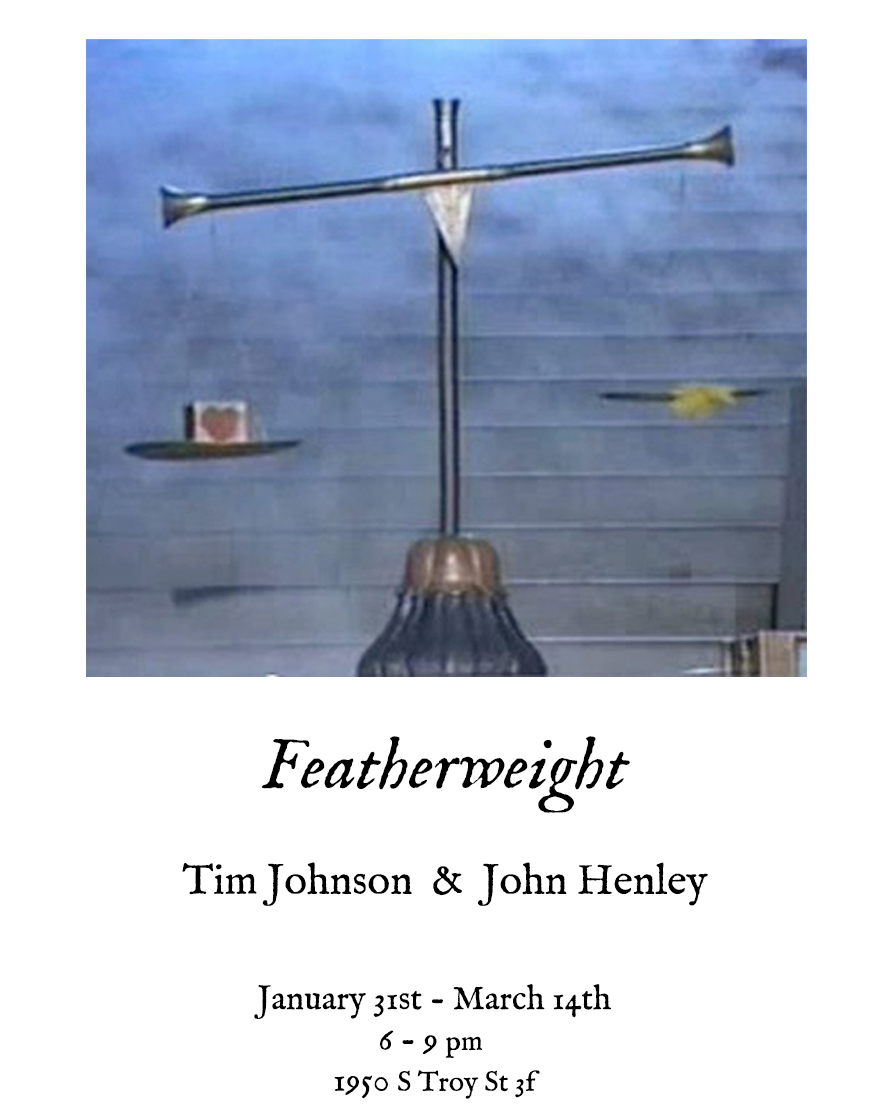
In ancient Egyptian funerary rites, the heart was not a metaphor—it was evidence. Removed at the risk of elimination, it was weighed after death against a feather. A heart that rose lightly earned passage, a heart that dragged—heavy with accumulation, attachment, wrongdoing—disappeared from history entirely. Burial was preparation for this moment. Objects, wrappings, gestures: all rehearsals for the scale.
featherweight moves through this cosmology sideways. The exhibition considers weight not as mass, but as memory—how it clings to materials, how it embeds itself in domestic architecture, how it’s passed down, wrapped up, and painted over.
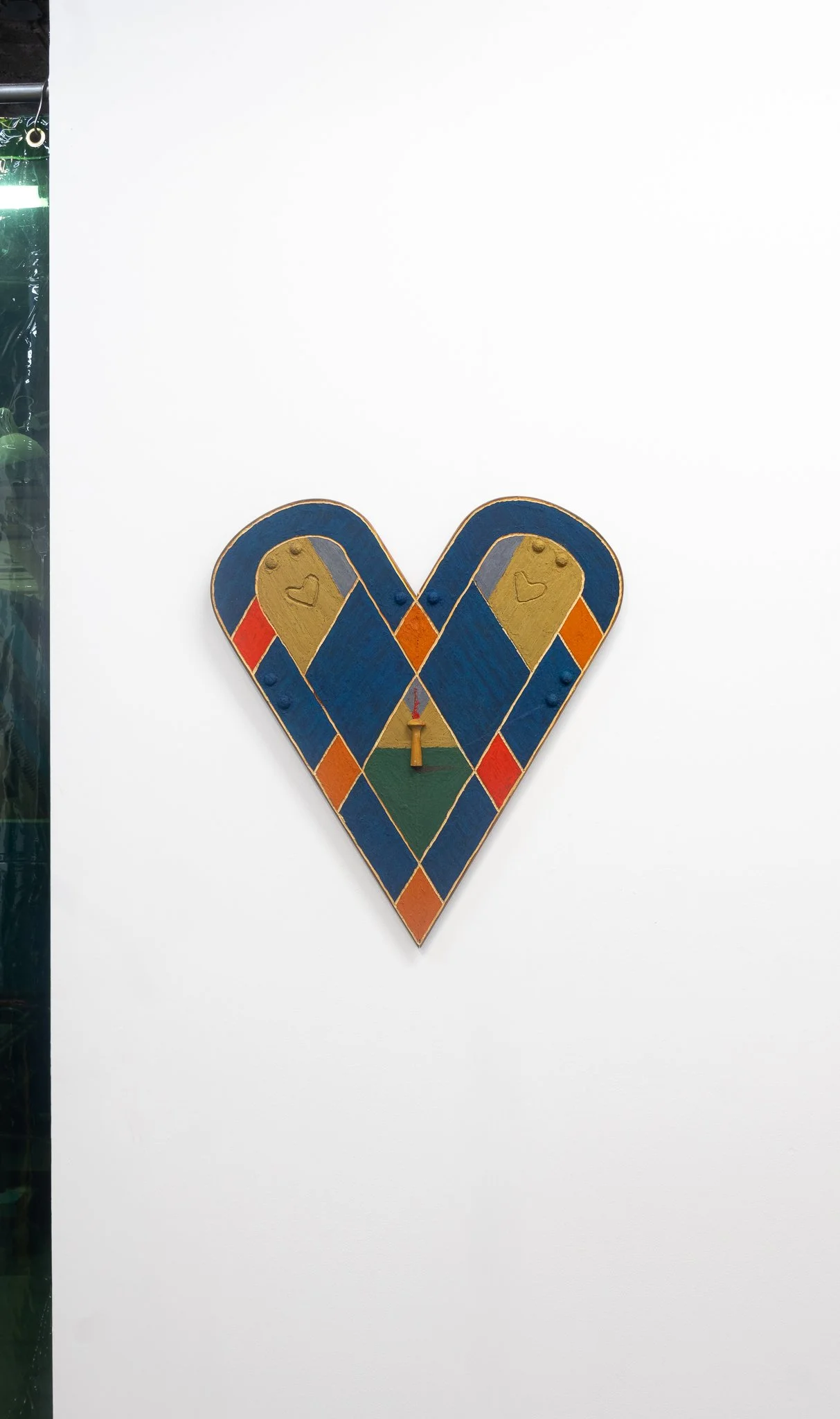
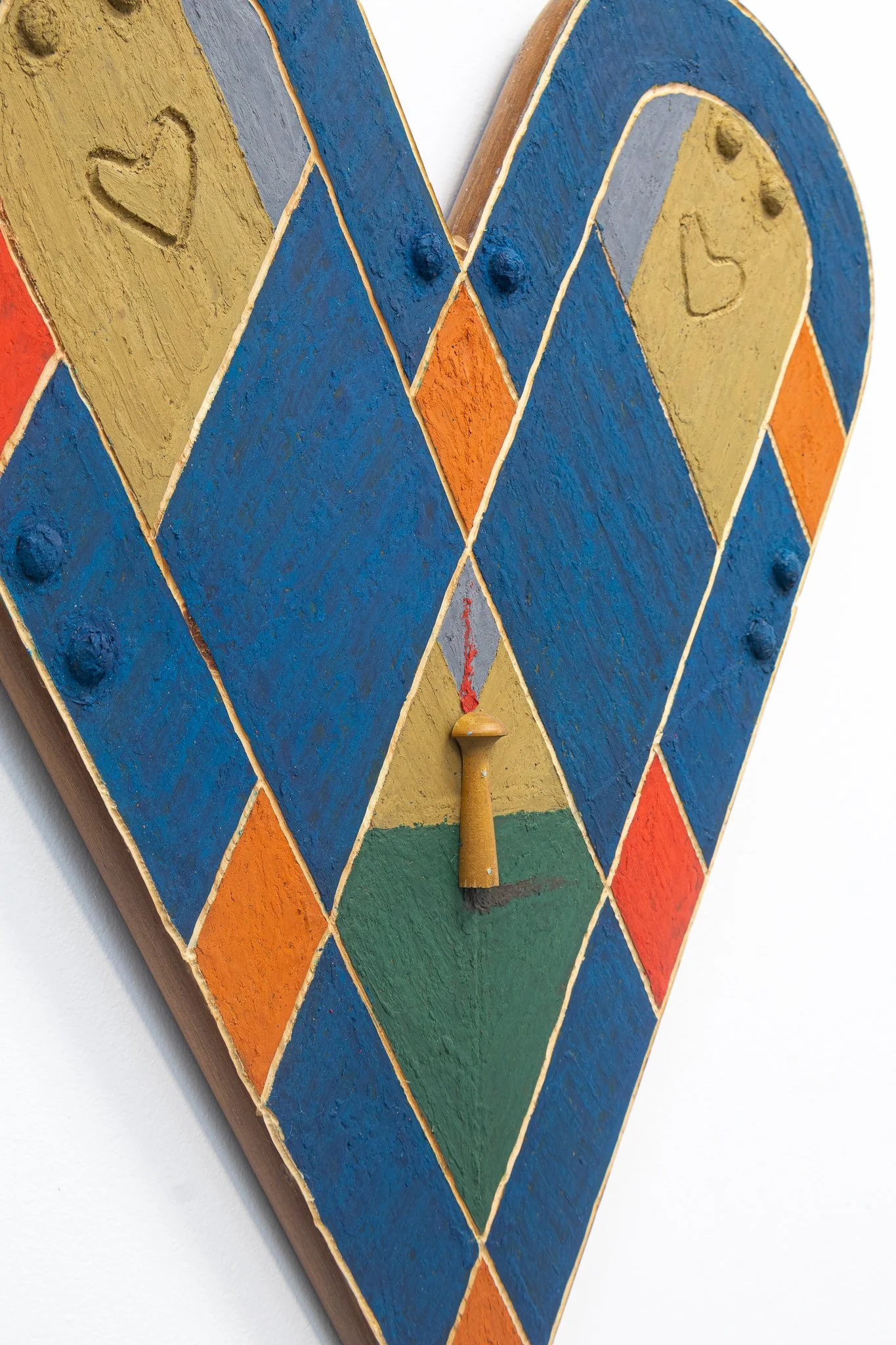
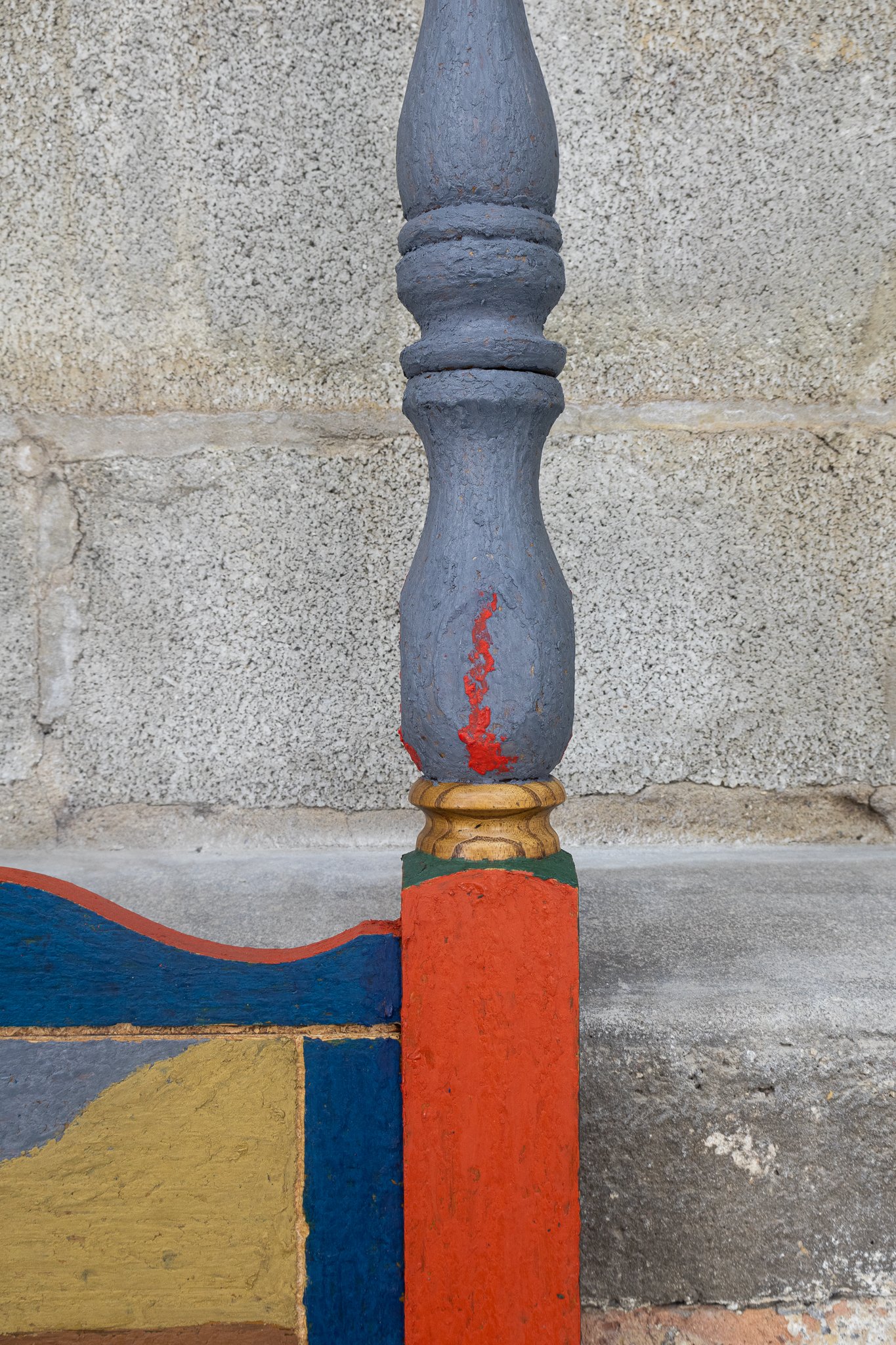
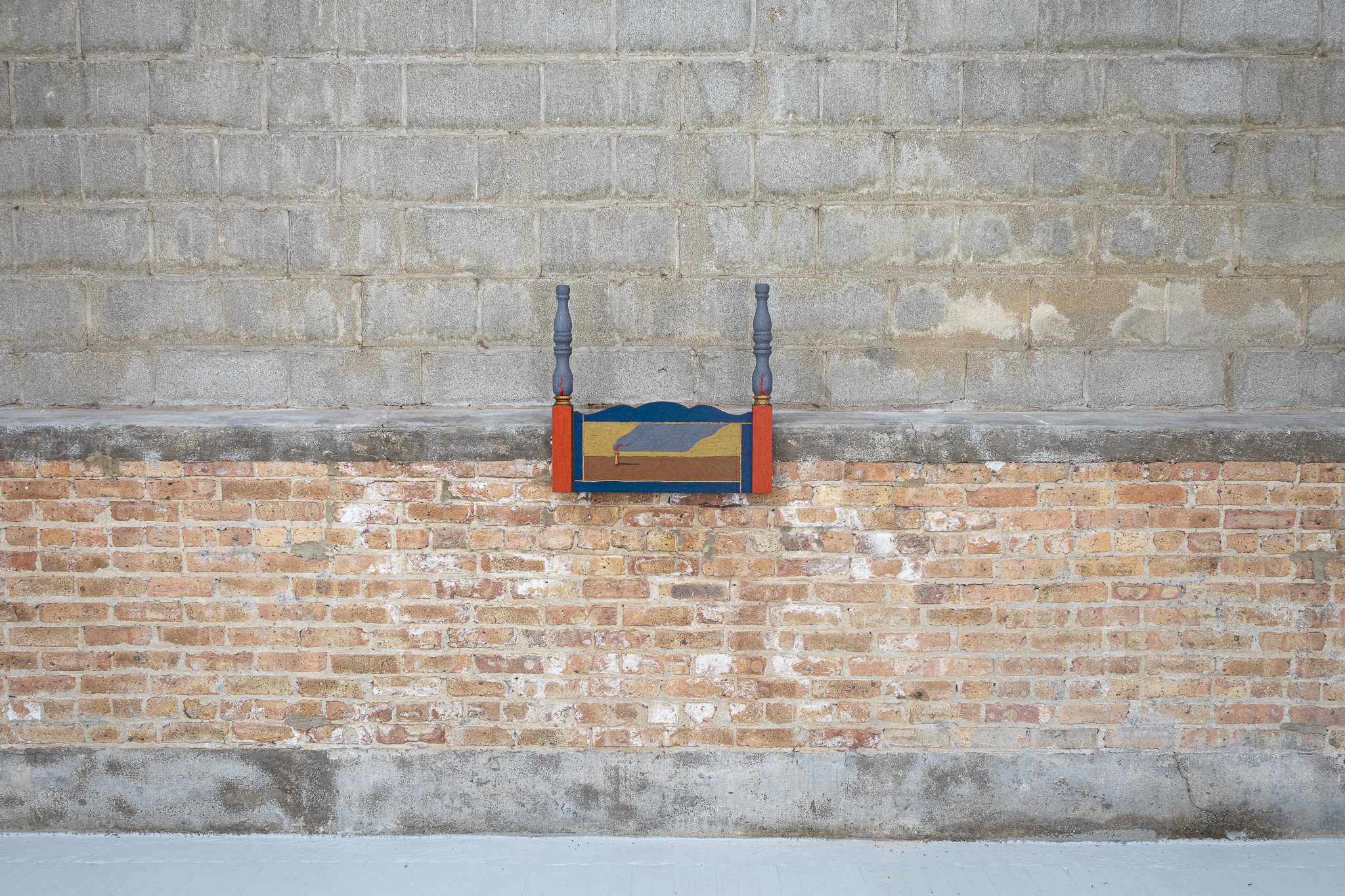
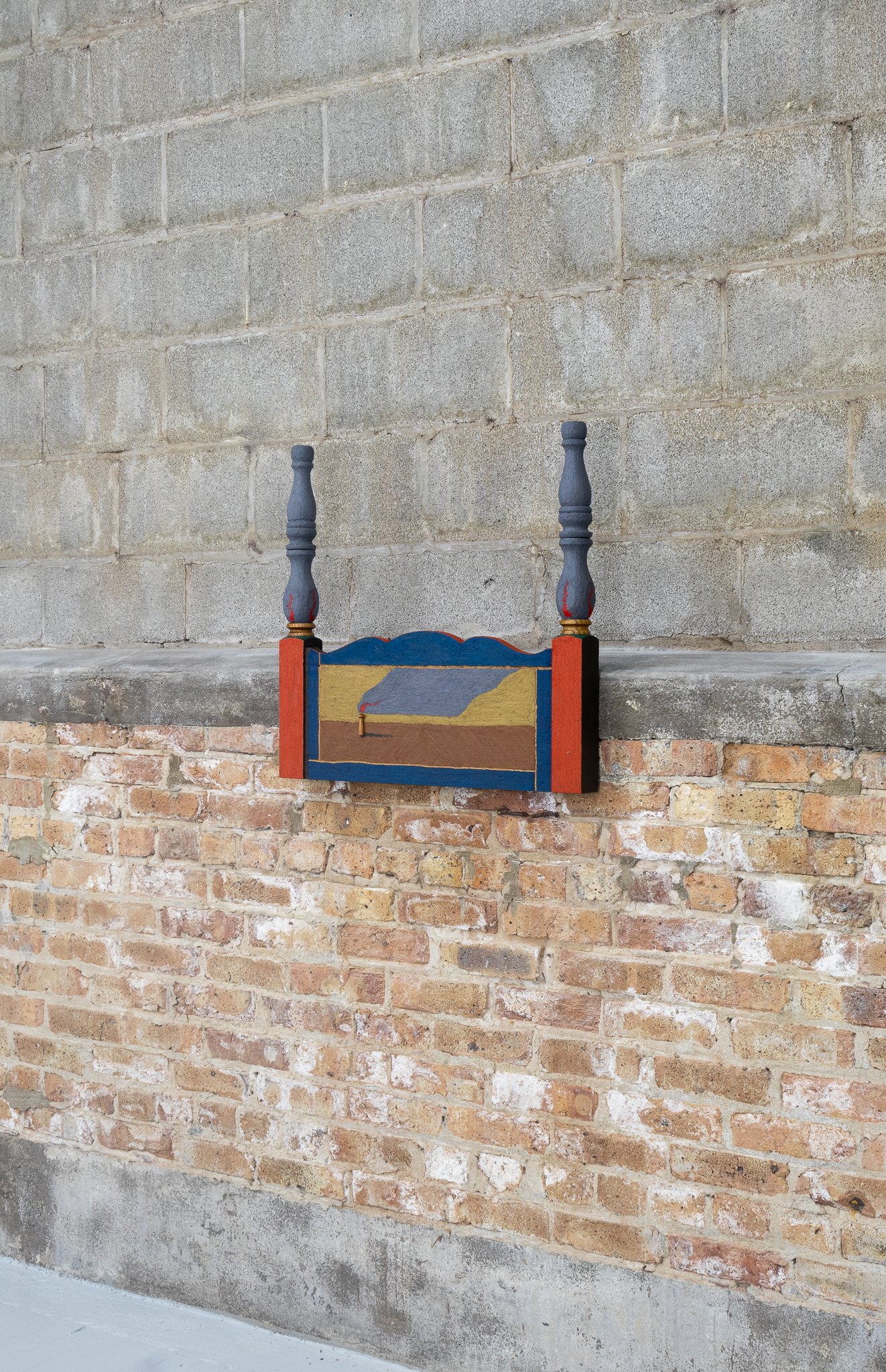
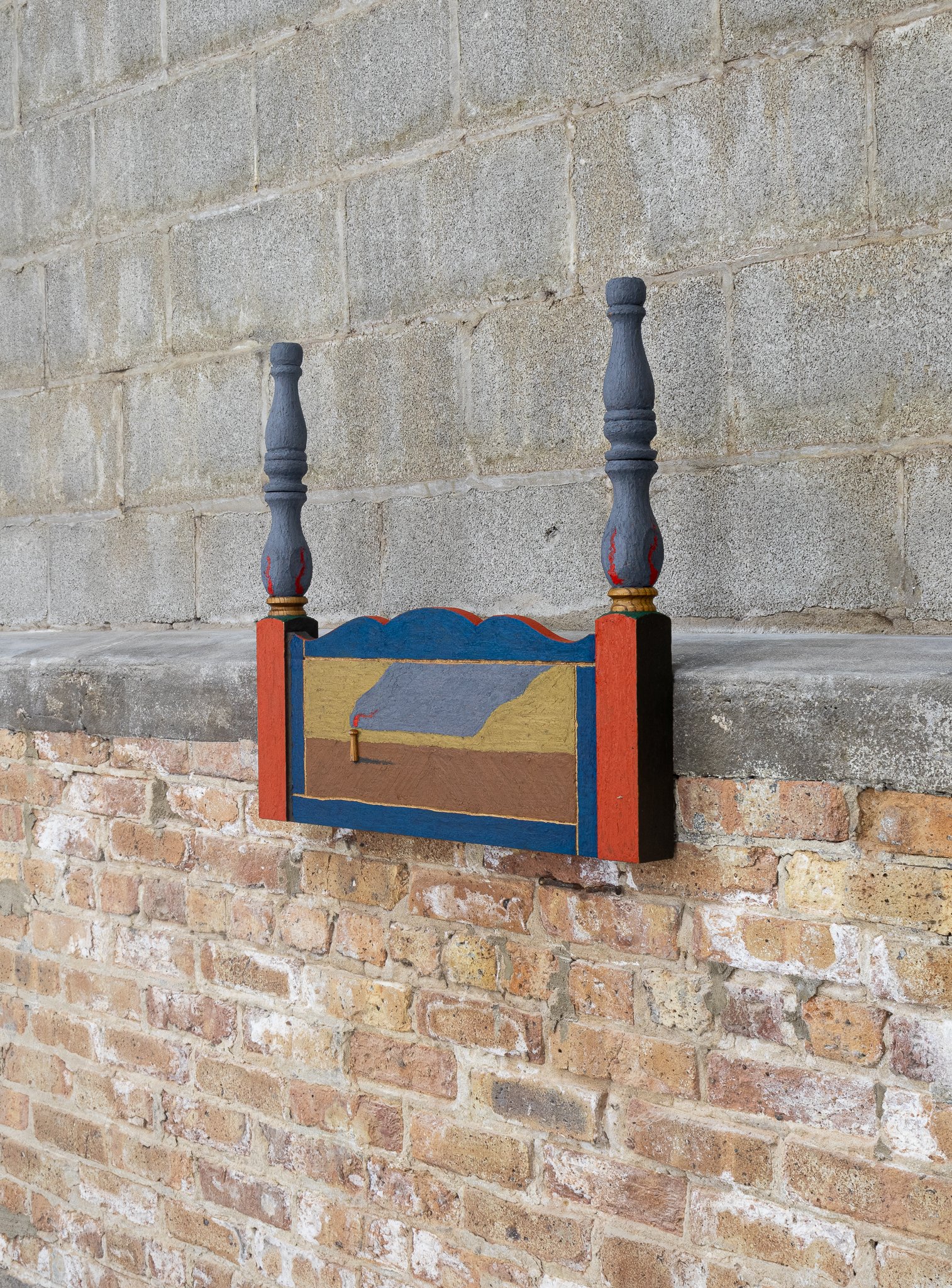
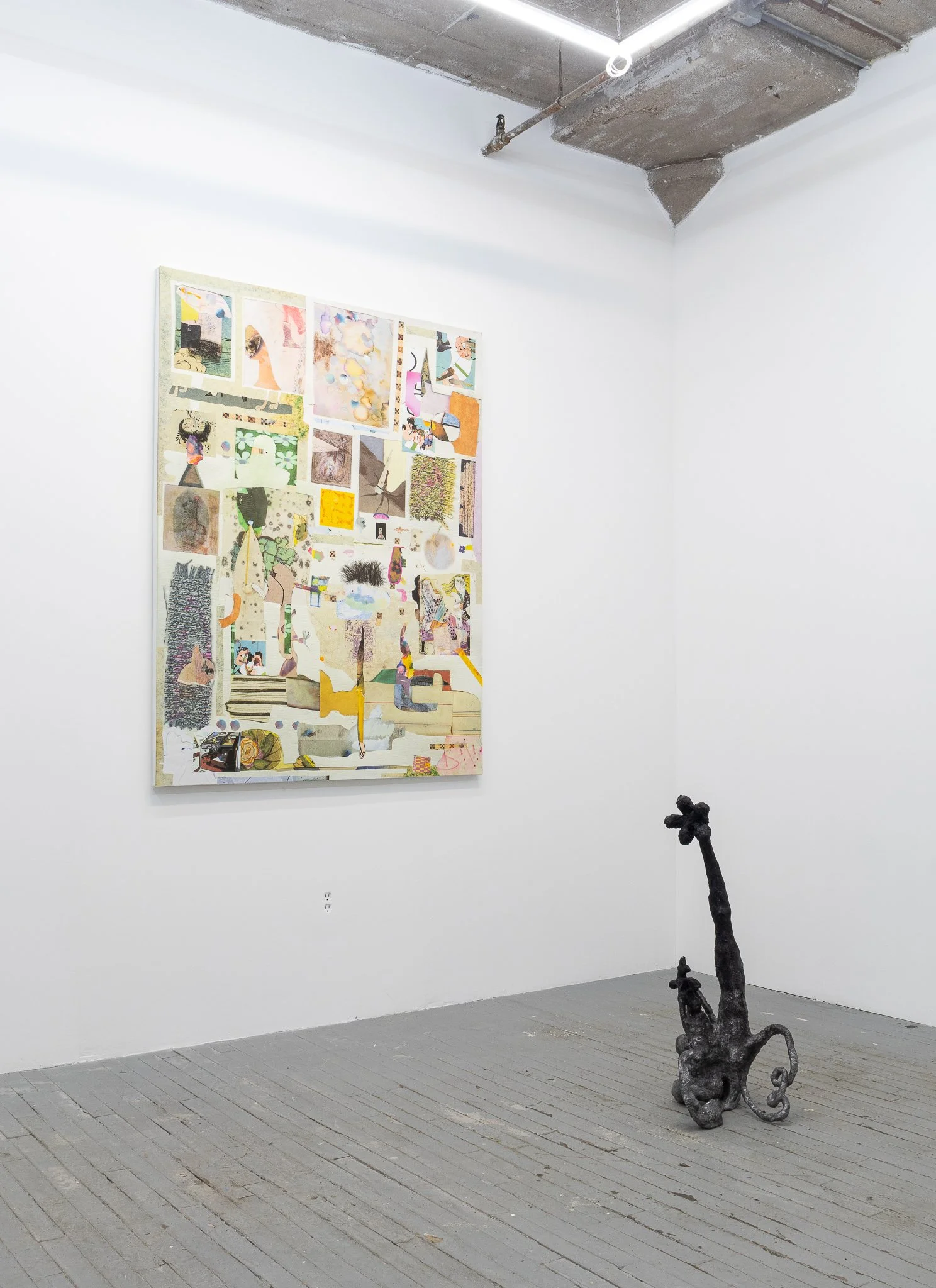
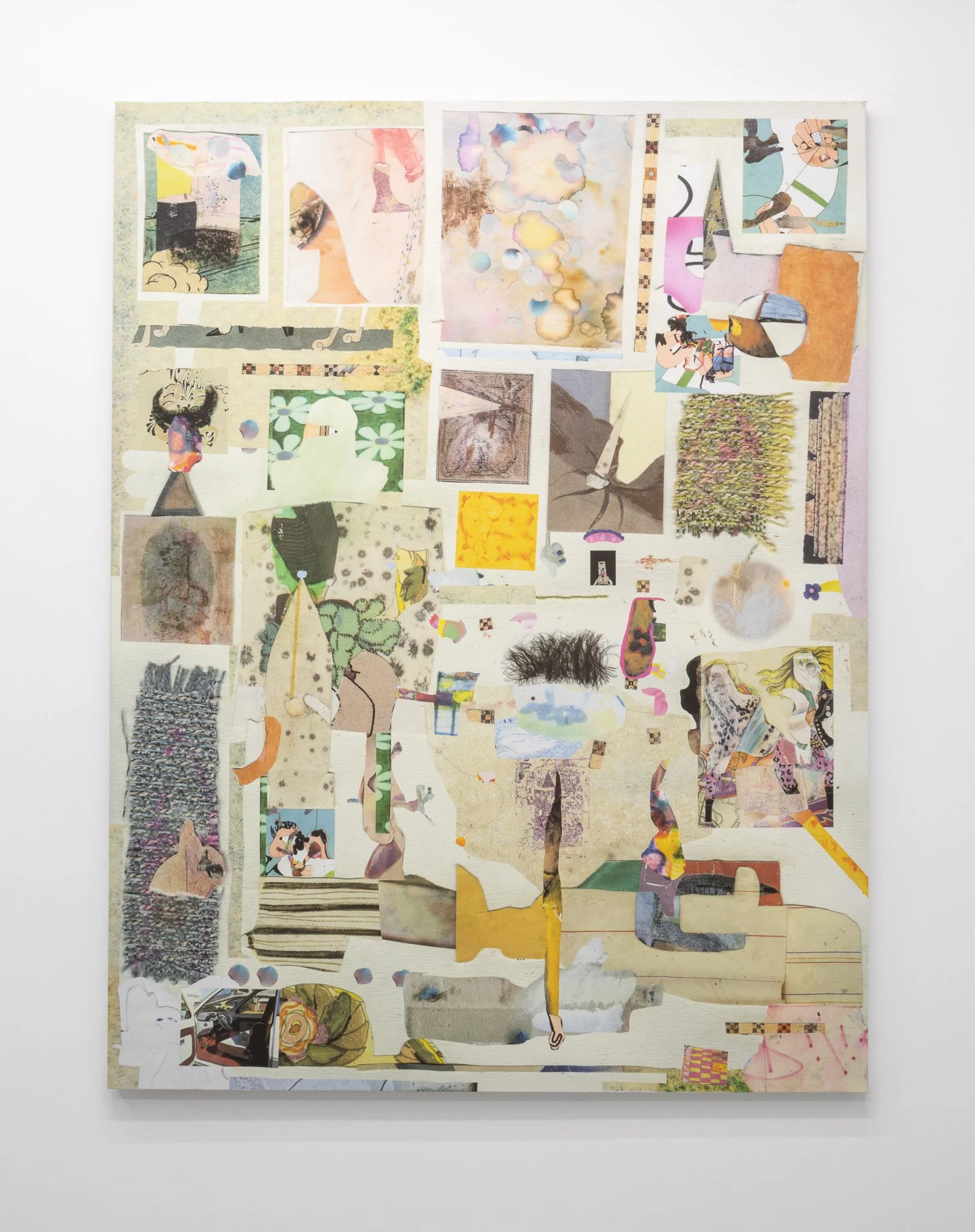
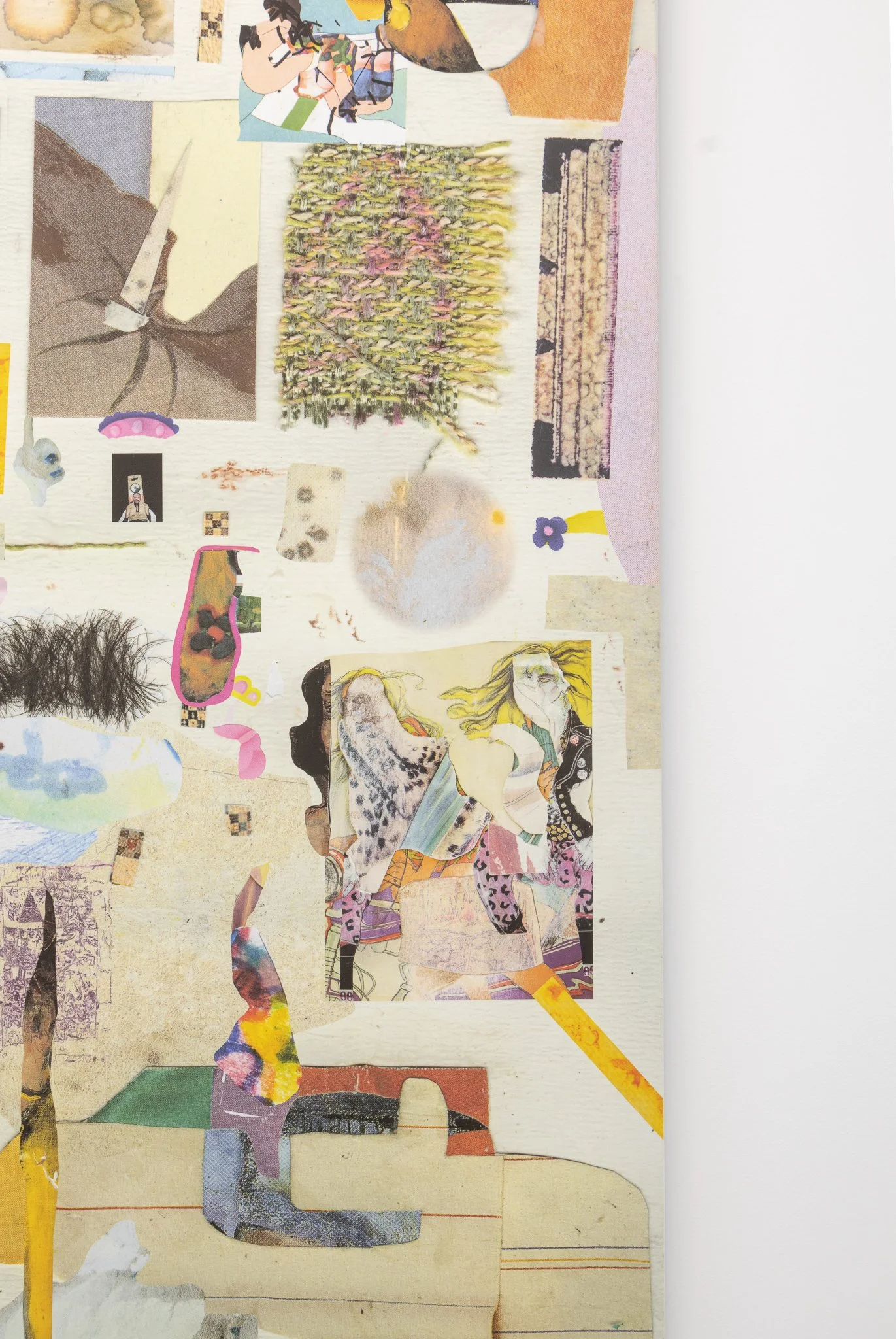
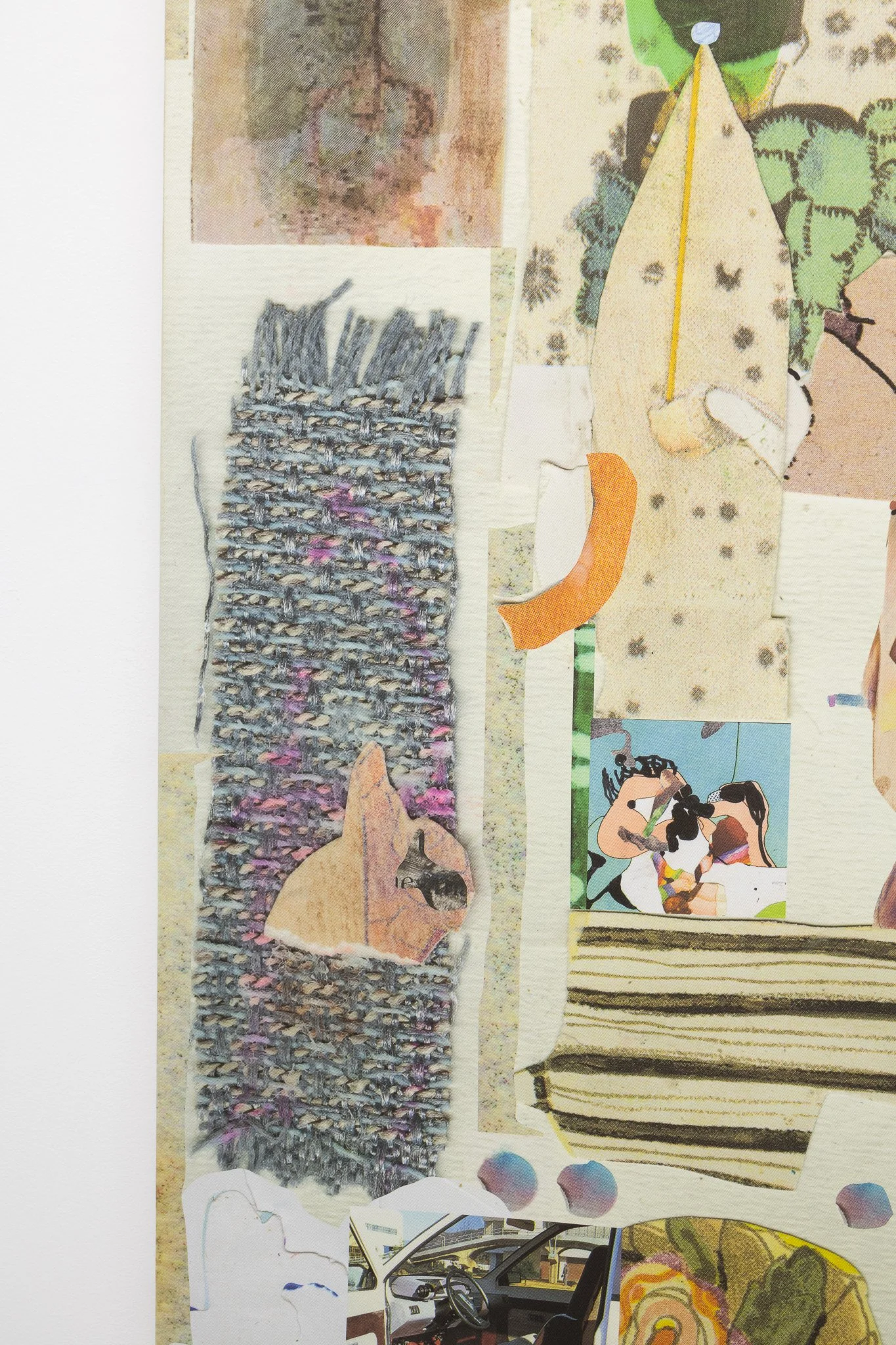
Tim Johnson’s wall works emerge from the edges of lived space. These fragments of home are collaged, entombed in stucco, and sealed beneath paint, as if preserved mid-use. They read like architectural relics excavated from a half-remembered interior—familiar, but estranged.
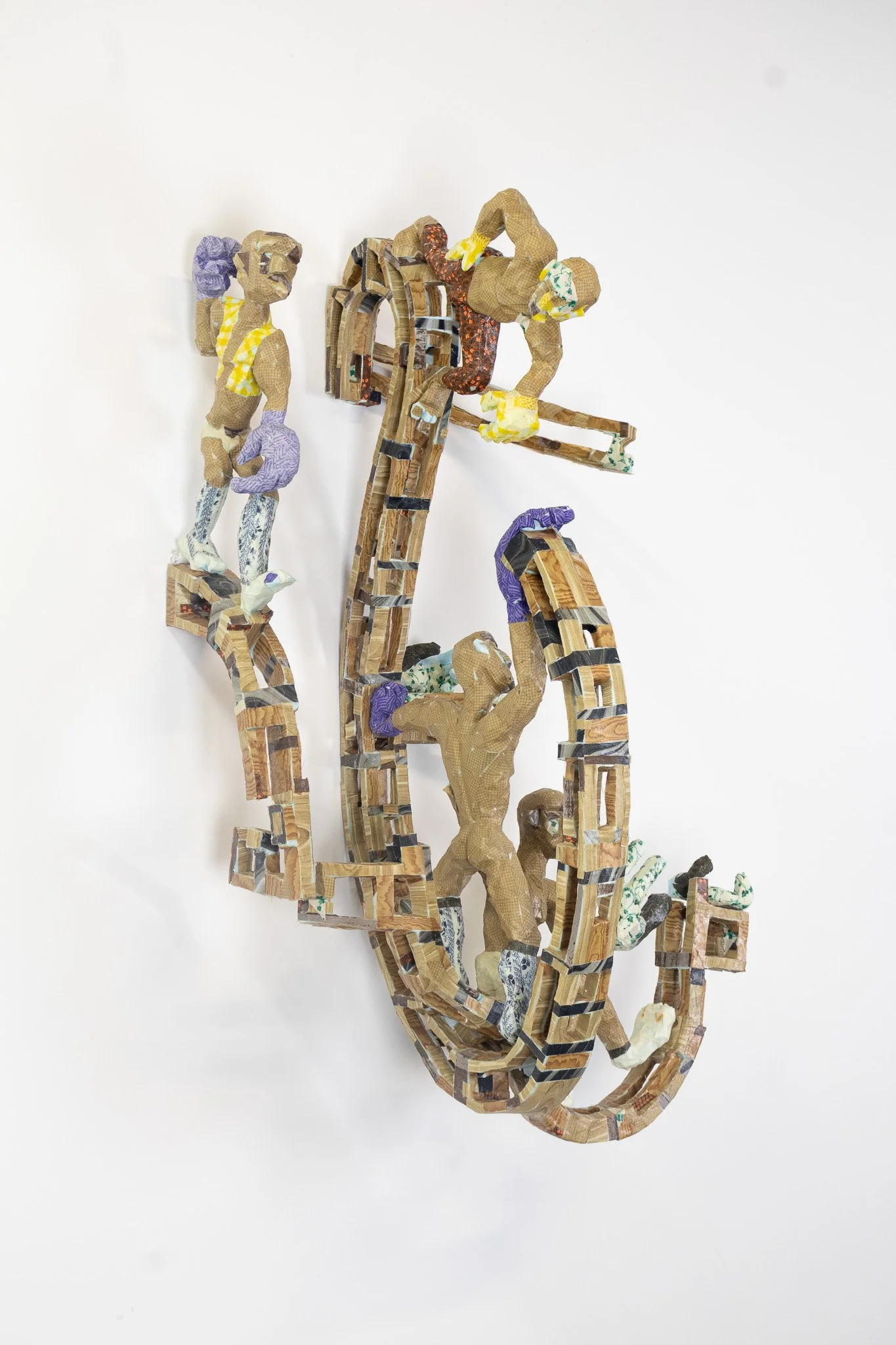
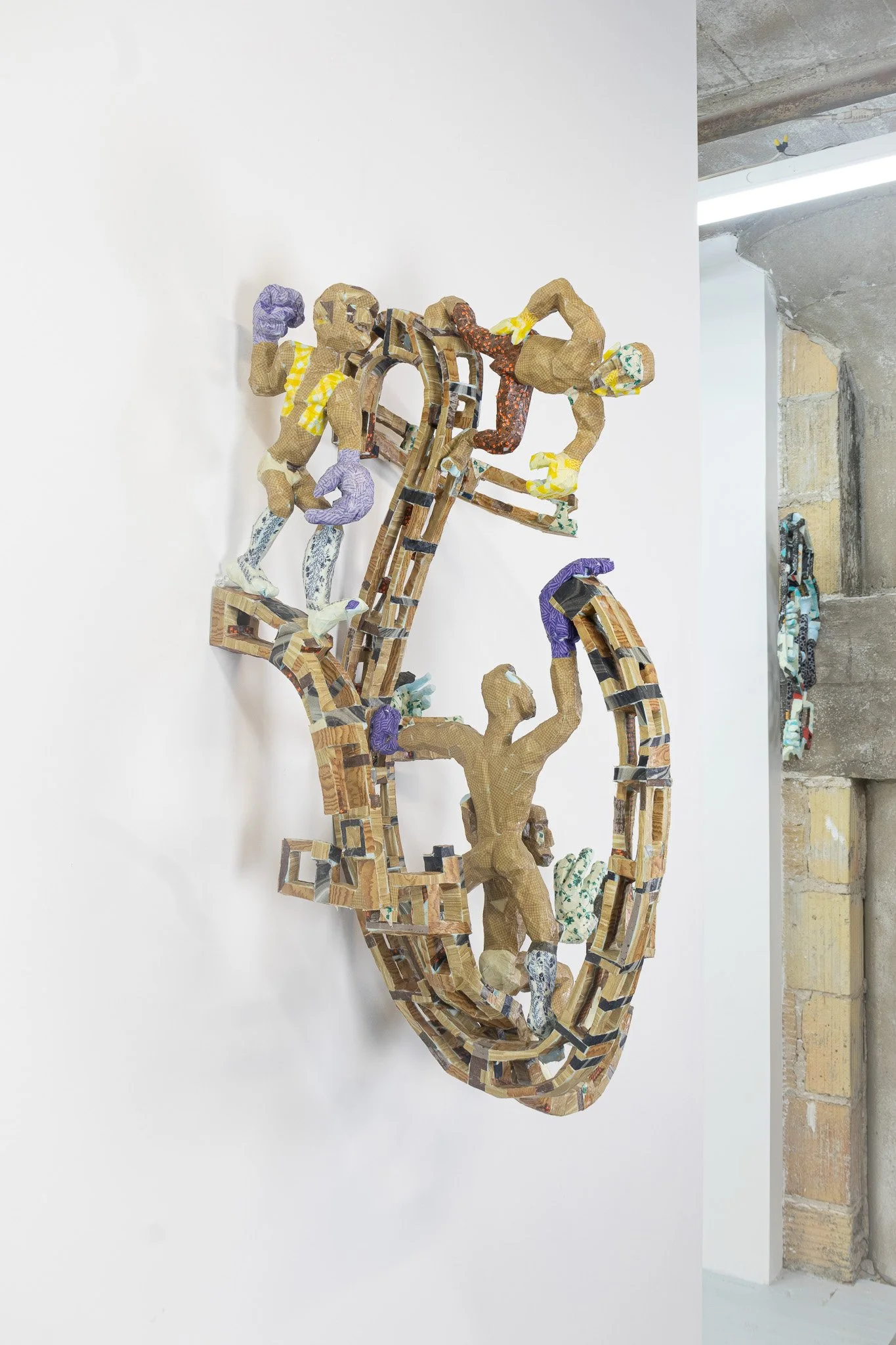
John Henley’s sculptures push outward from the wall, standing erect and self-contained, forming their own gravitational fields in space. The works suggest protection and constraint at once; echoing the ritual logic of mummification vis á vis preservation through compression.
Together, the works stage a quiet trial. Not of morality, but of attachment. What is light enough to carry forward? What becomes too dense to survive the crossing? featherweight lingers in the tension between preservation and release, between what we wrap to save and what we must allow to fall away. Here, the heart is not judged for what it contains—but for how tightly it lets go.
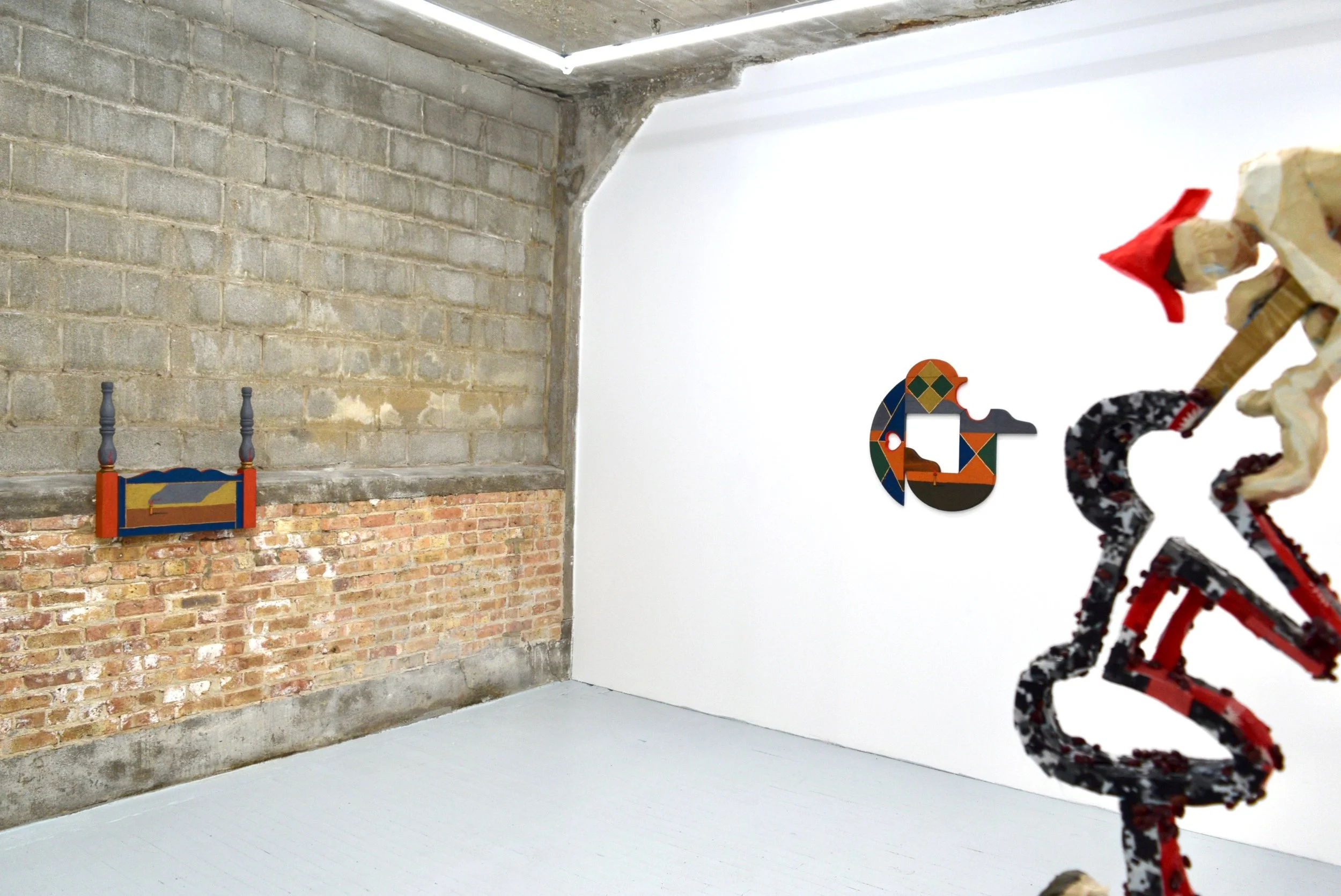
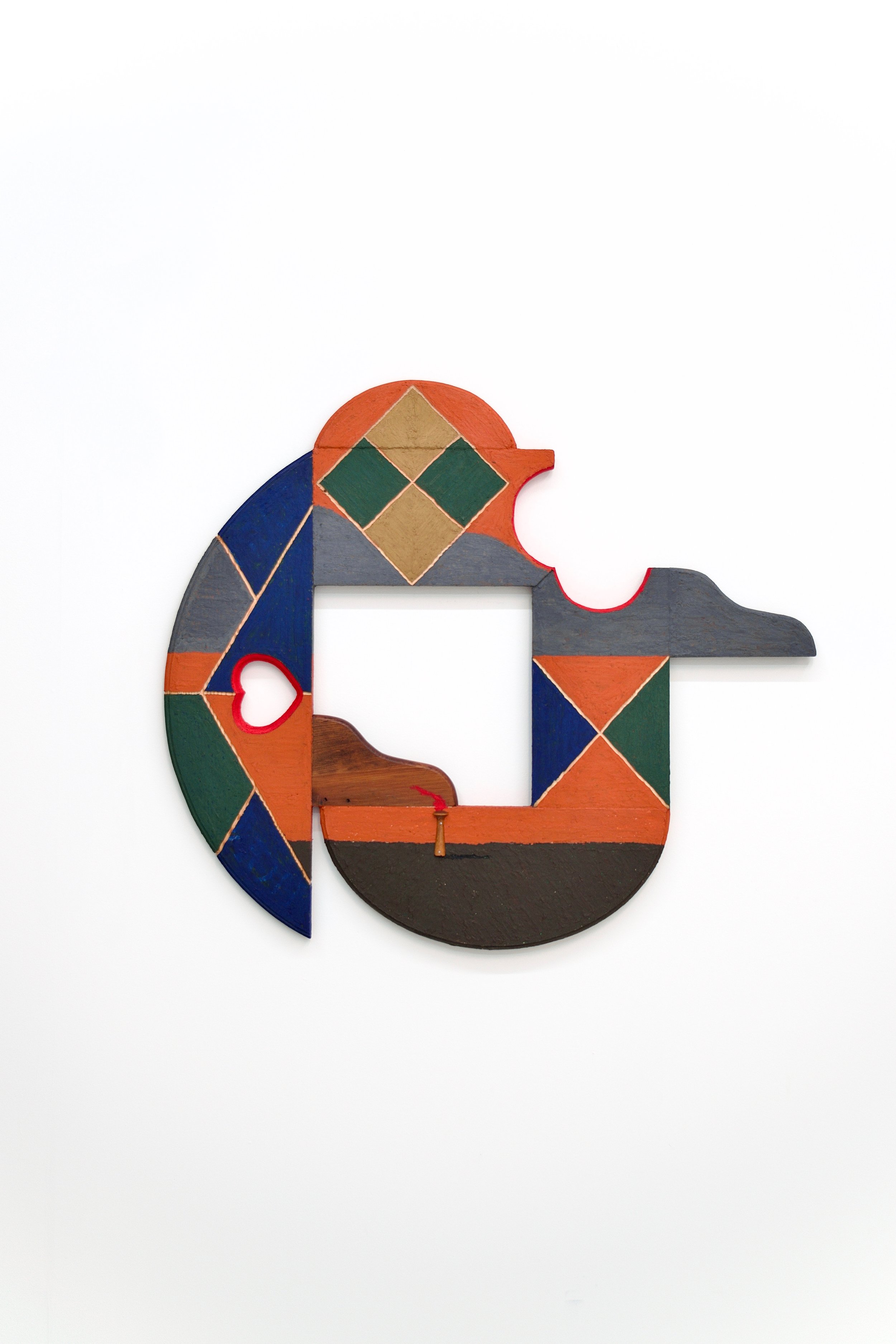
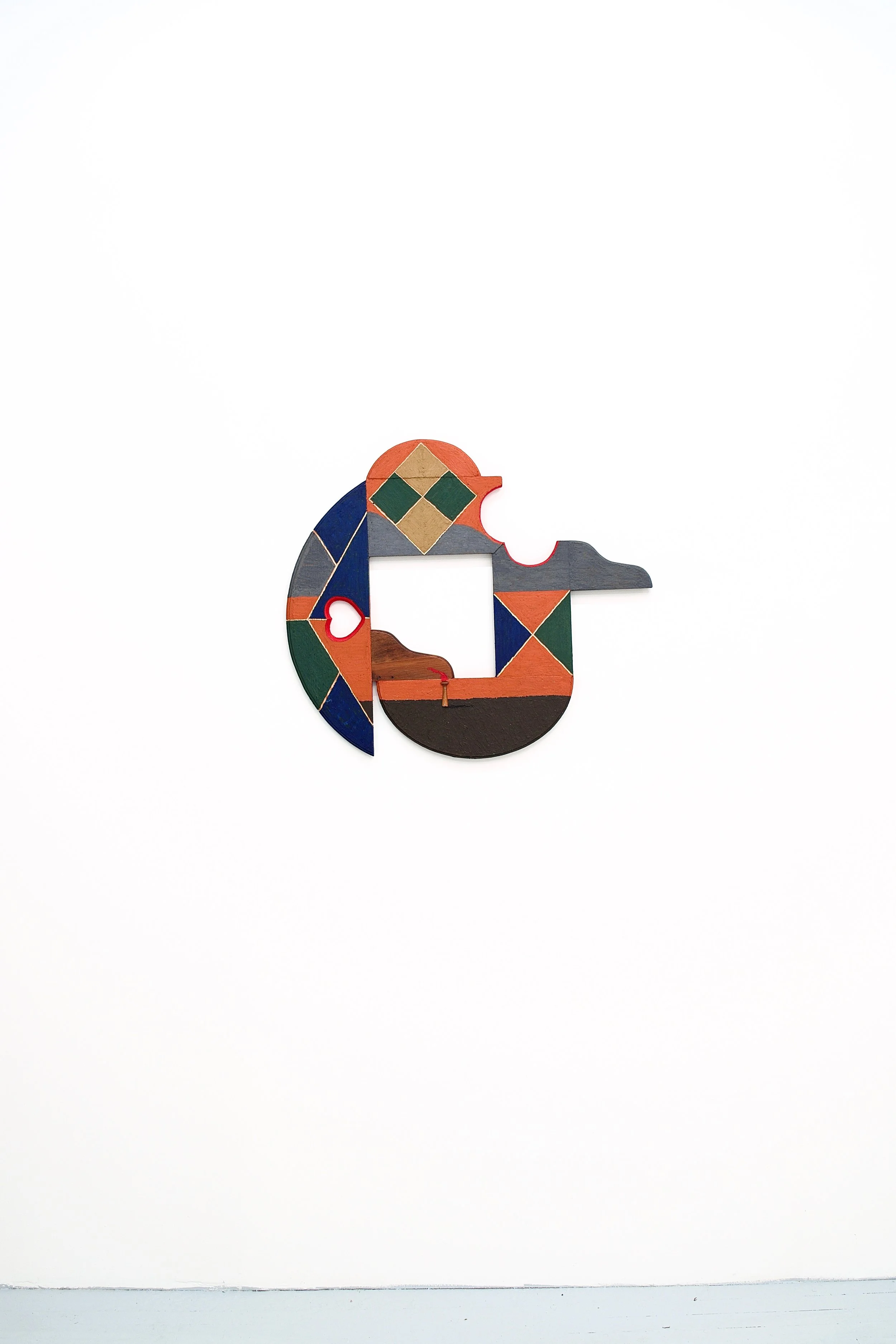
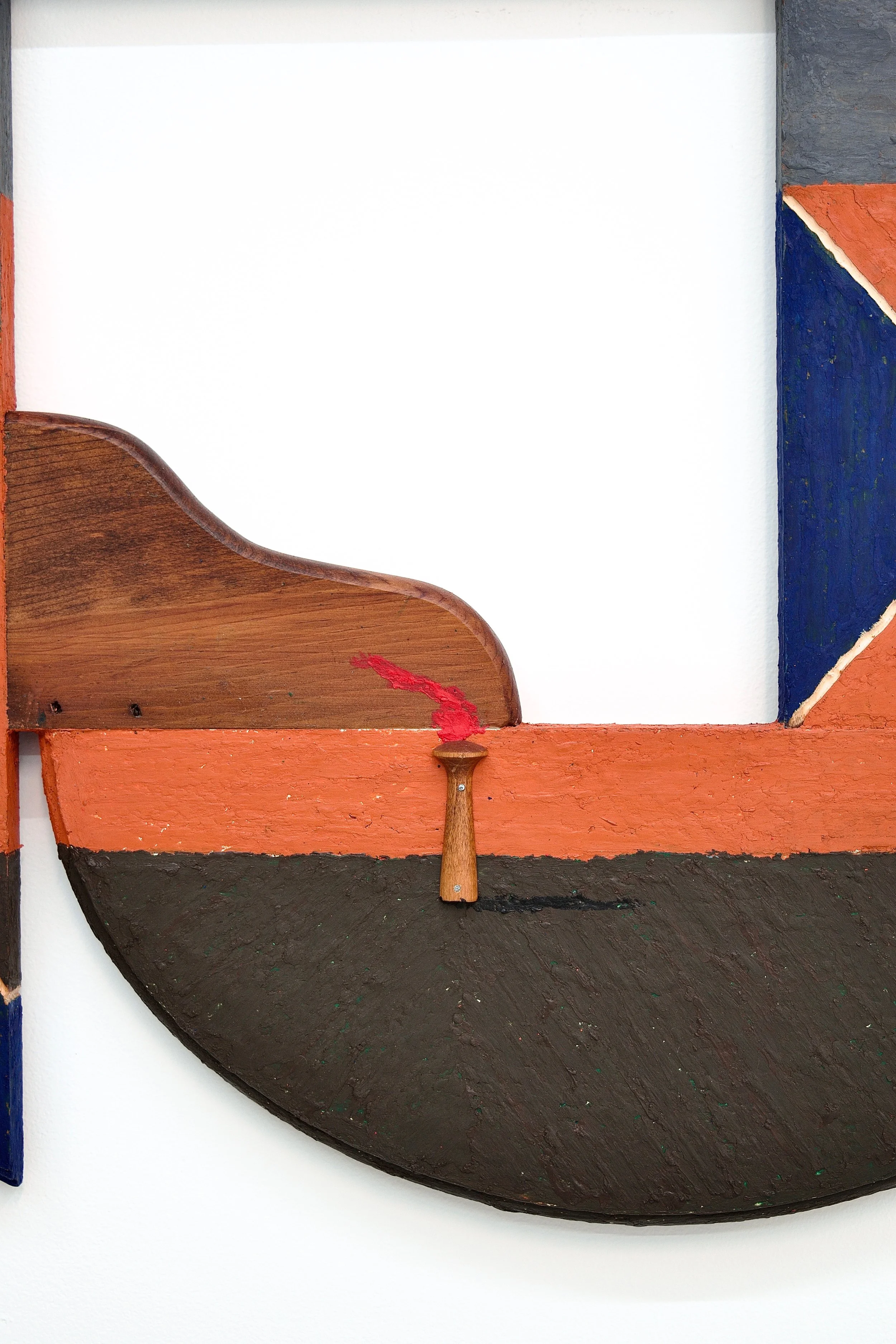
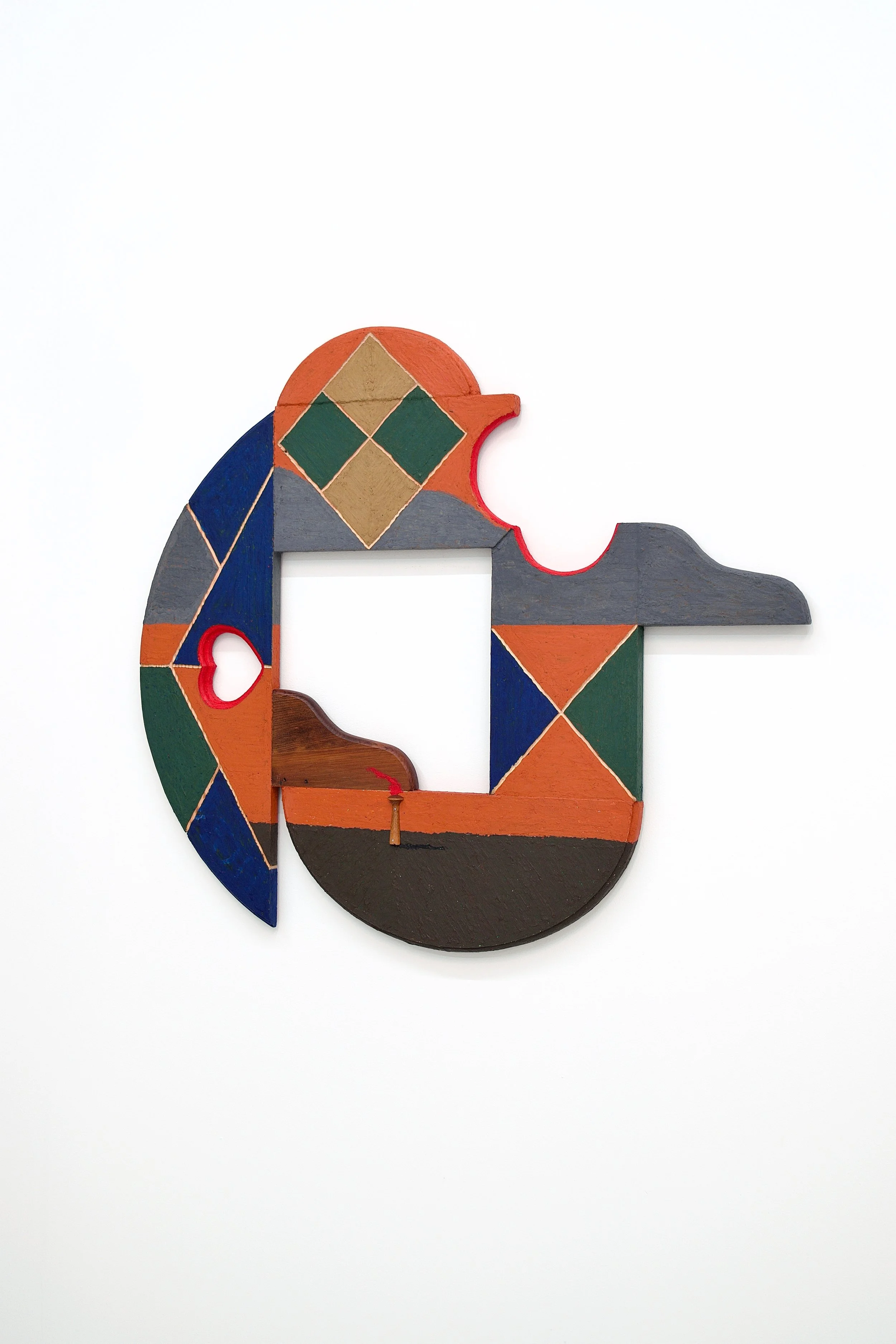
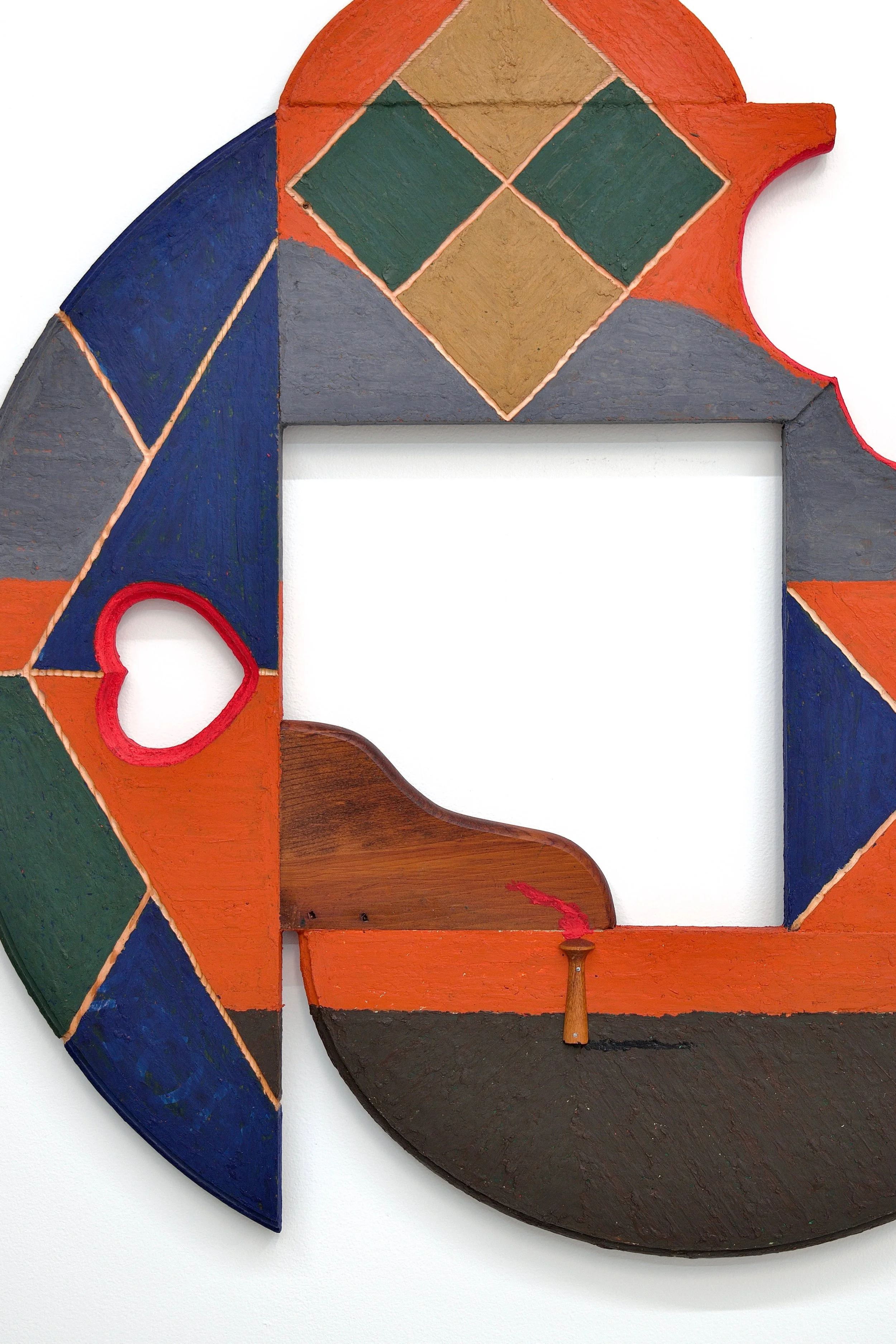
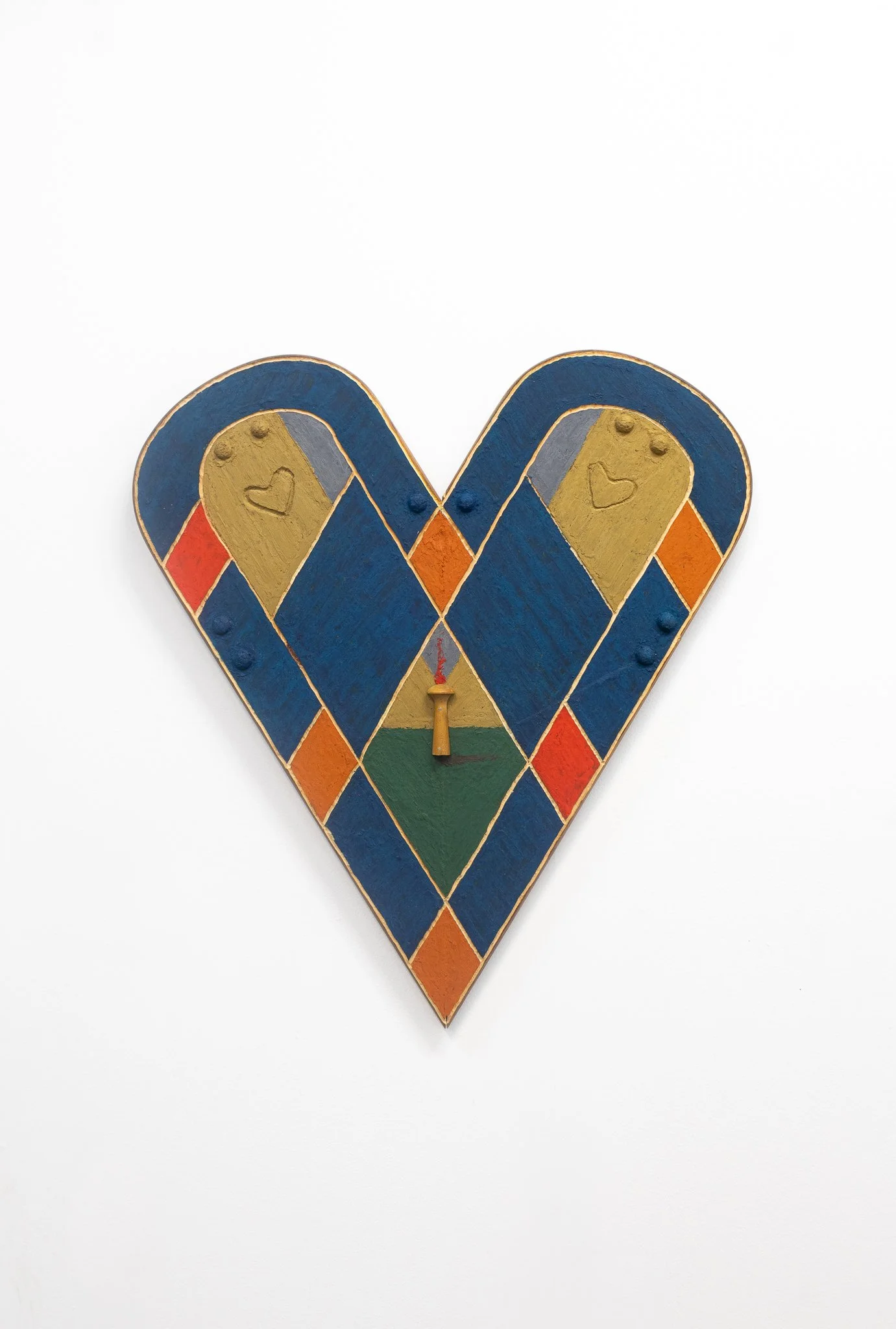
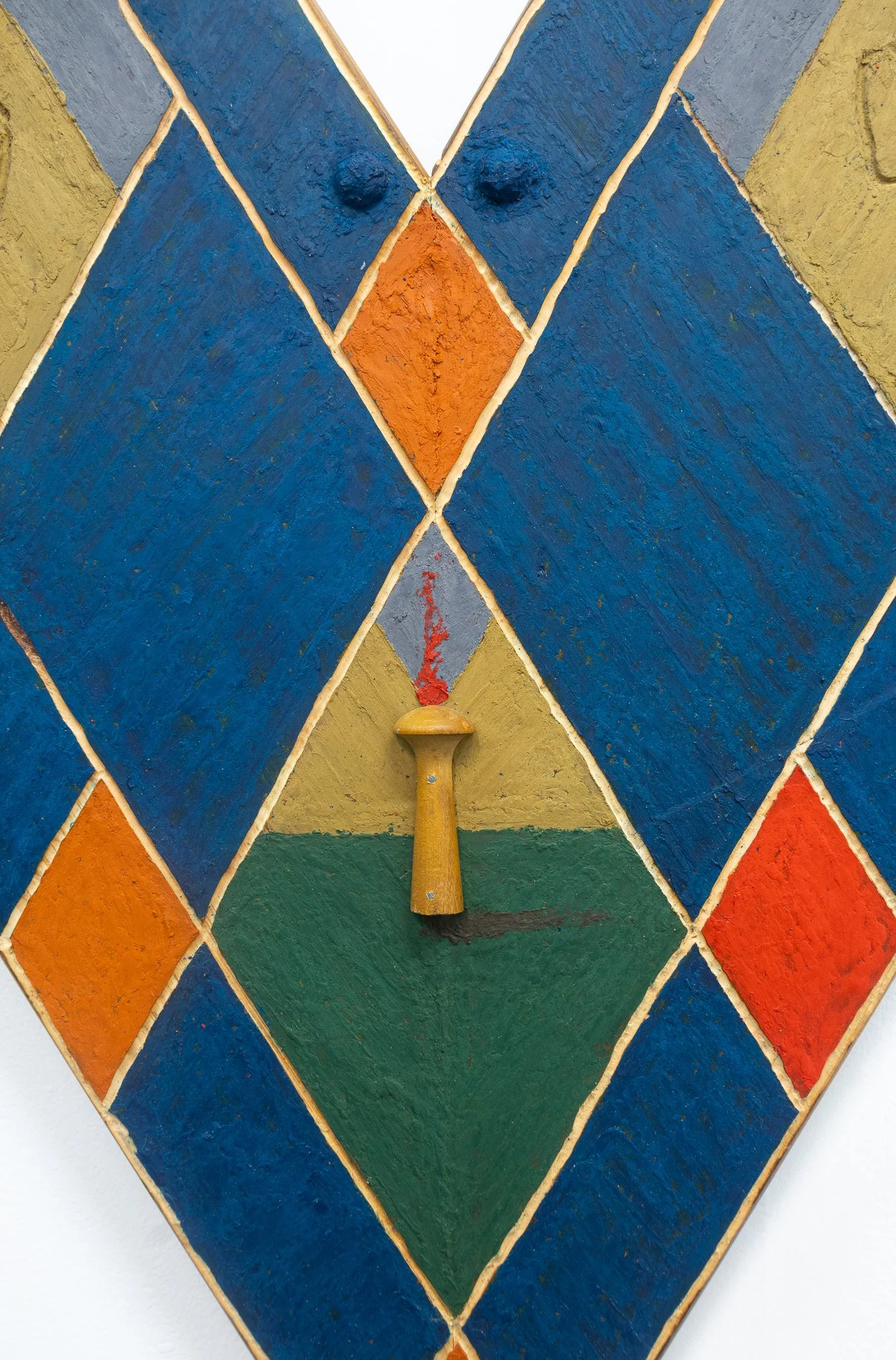
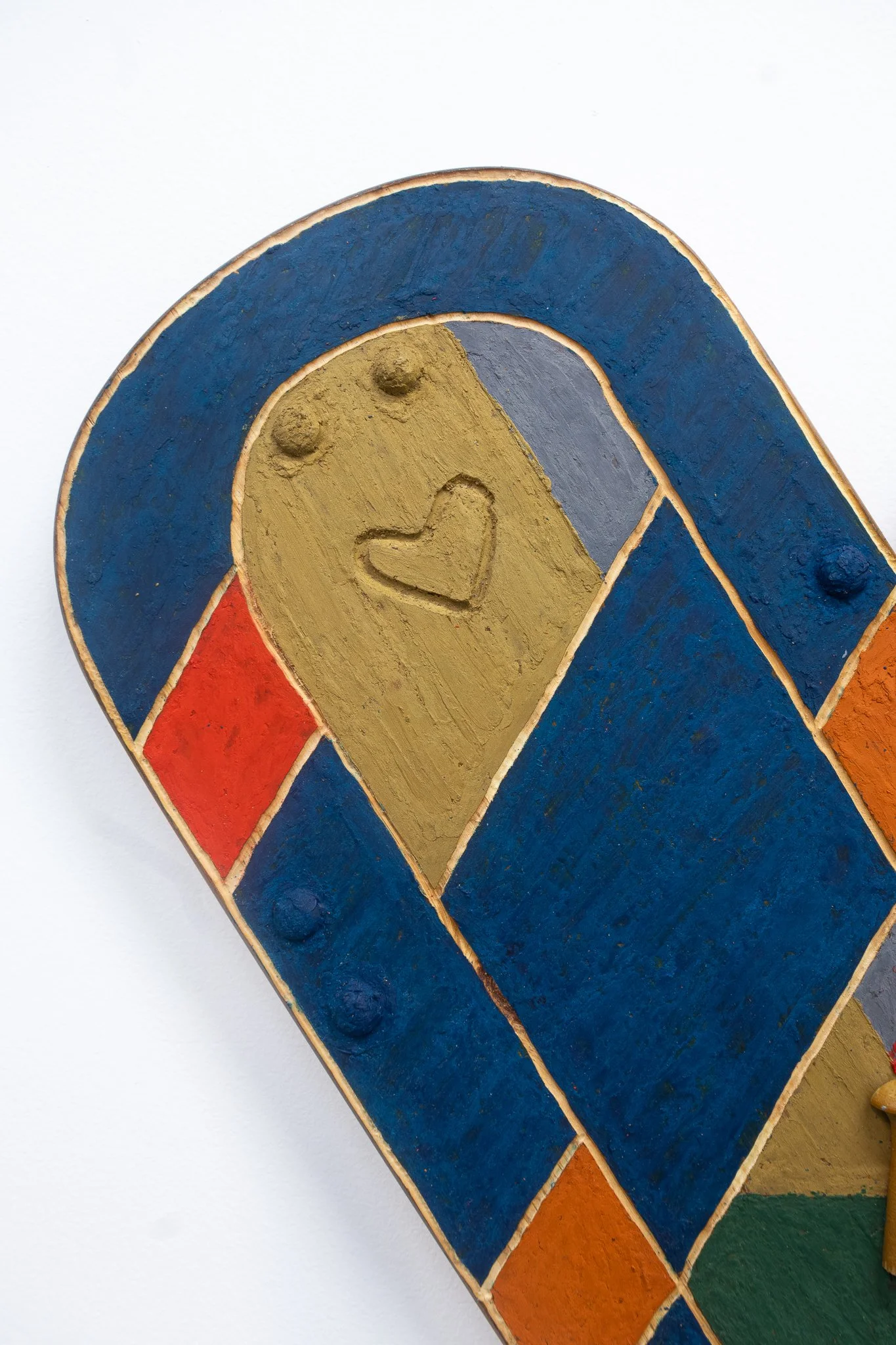
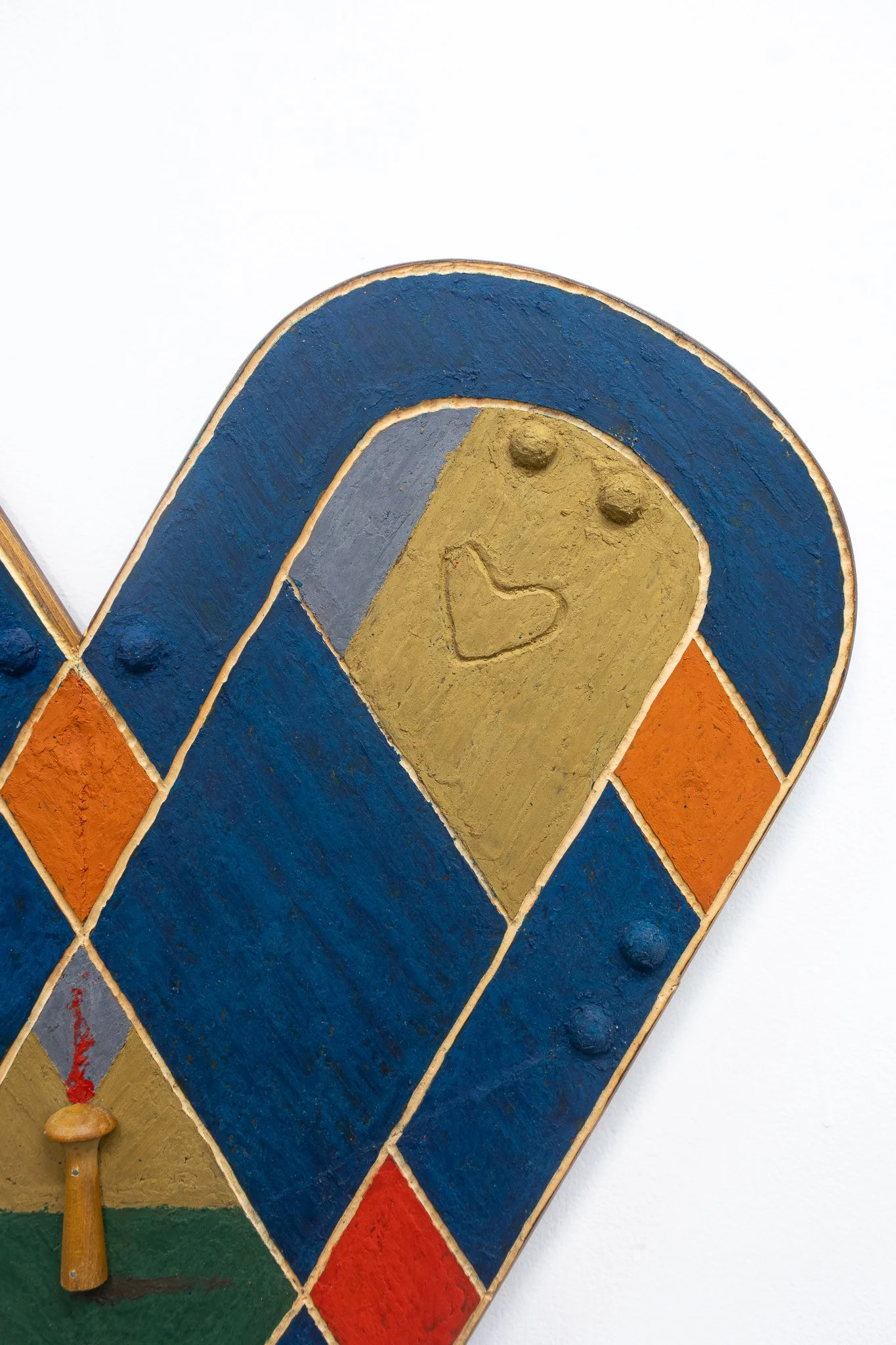
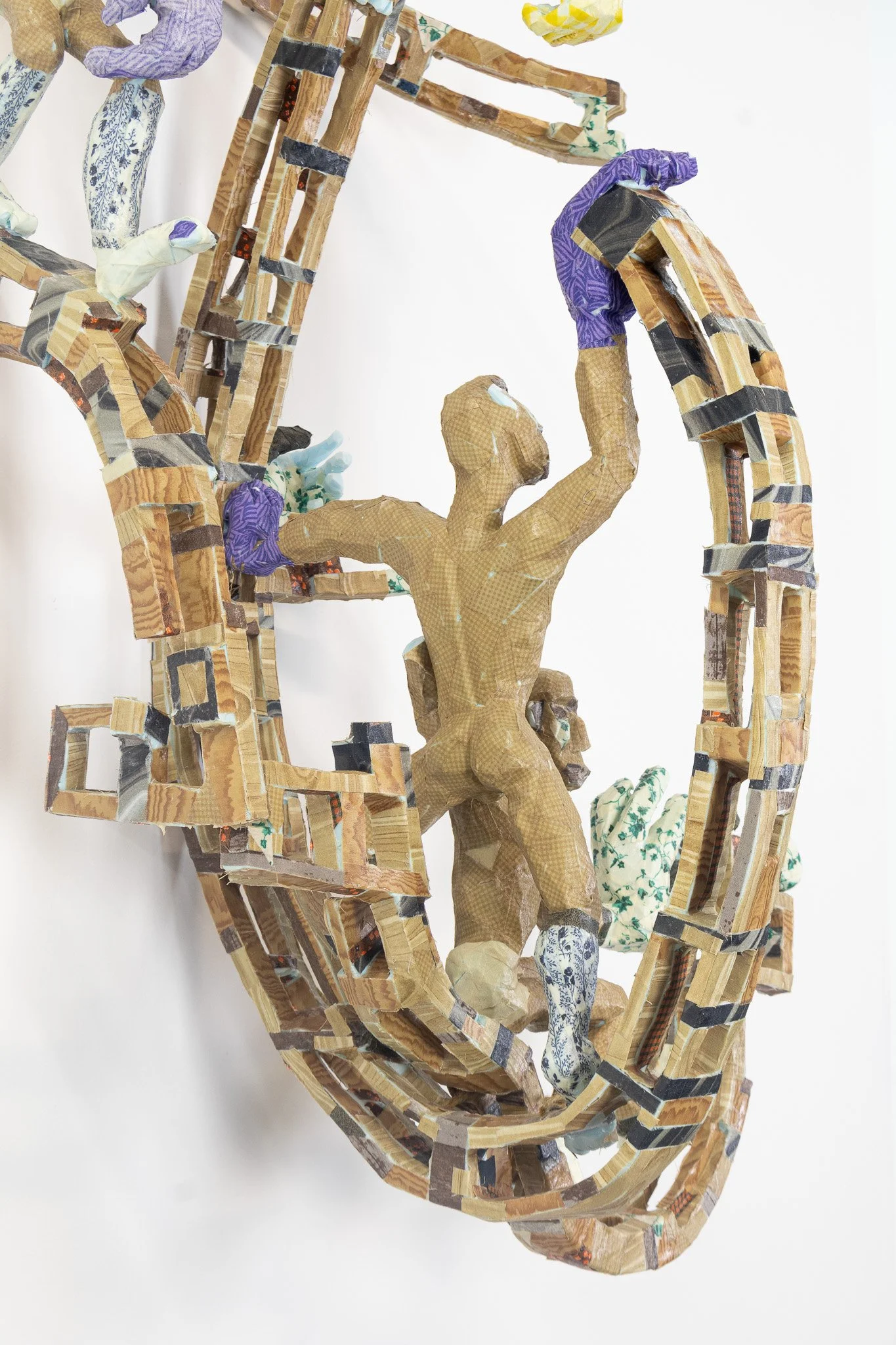
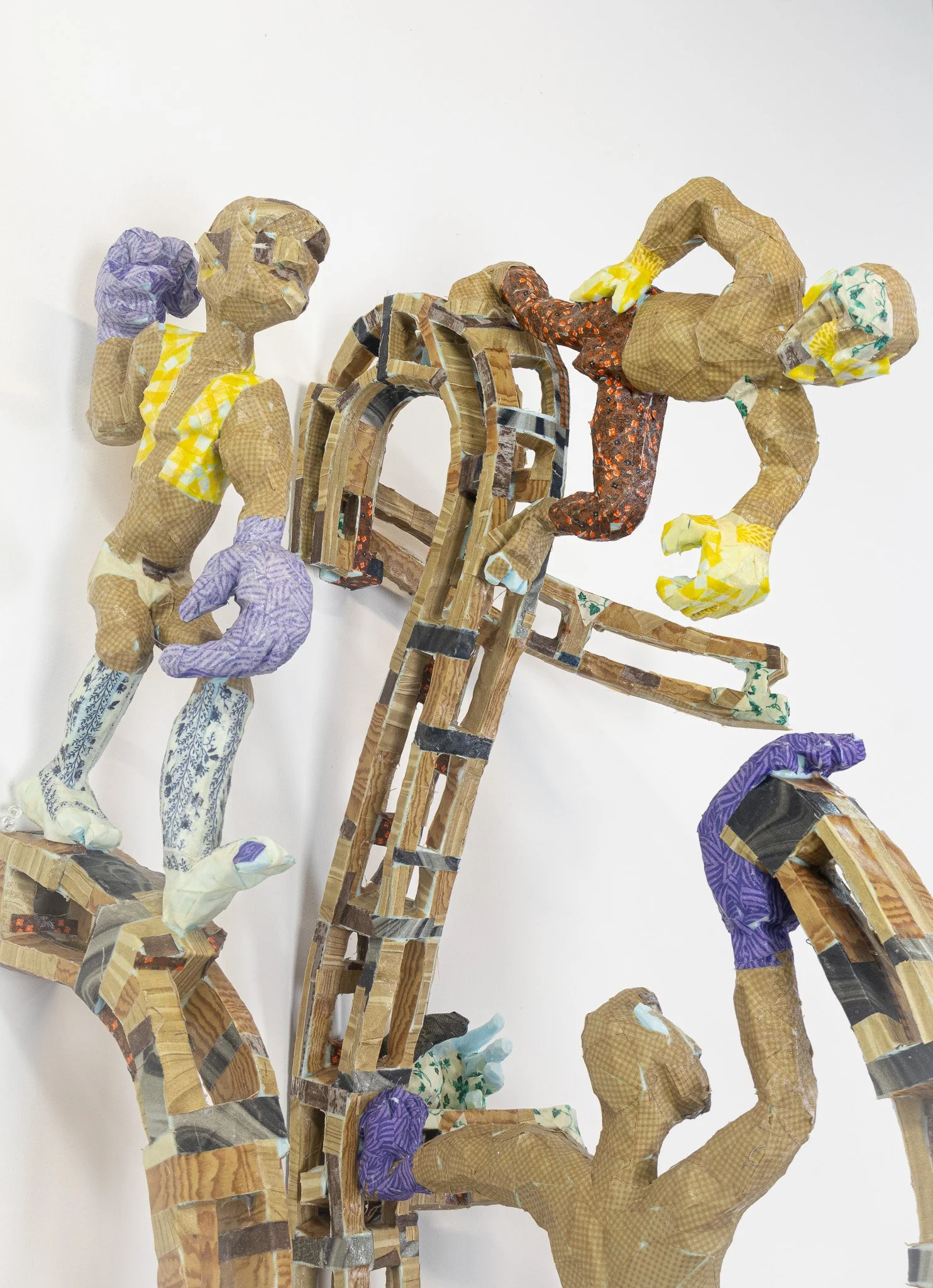
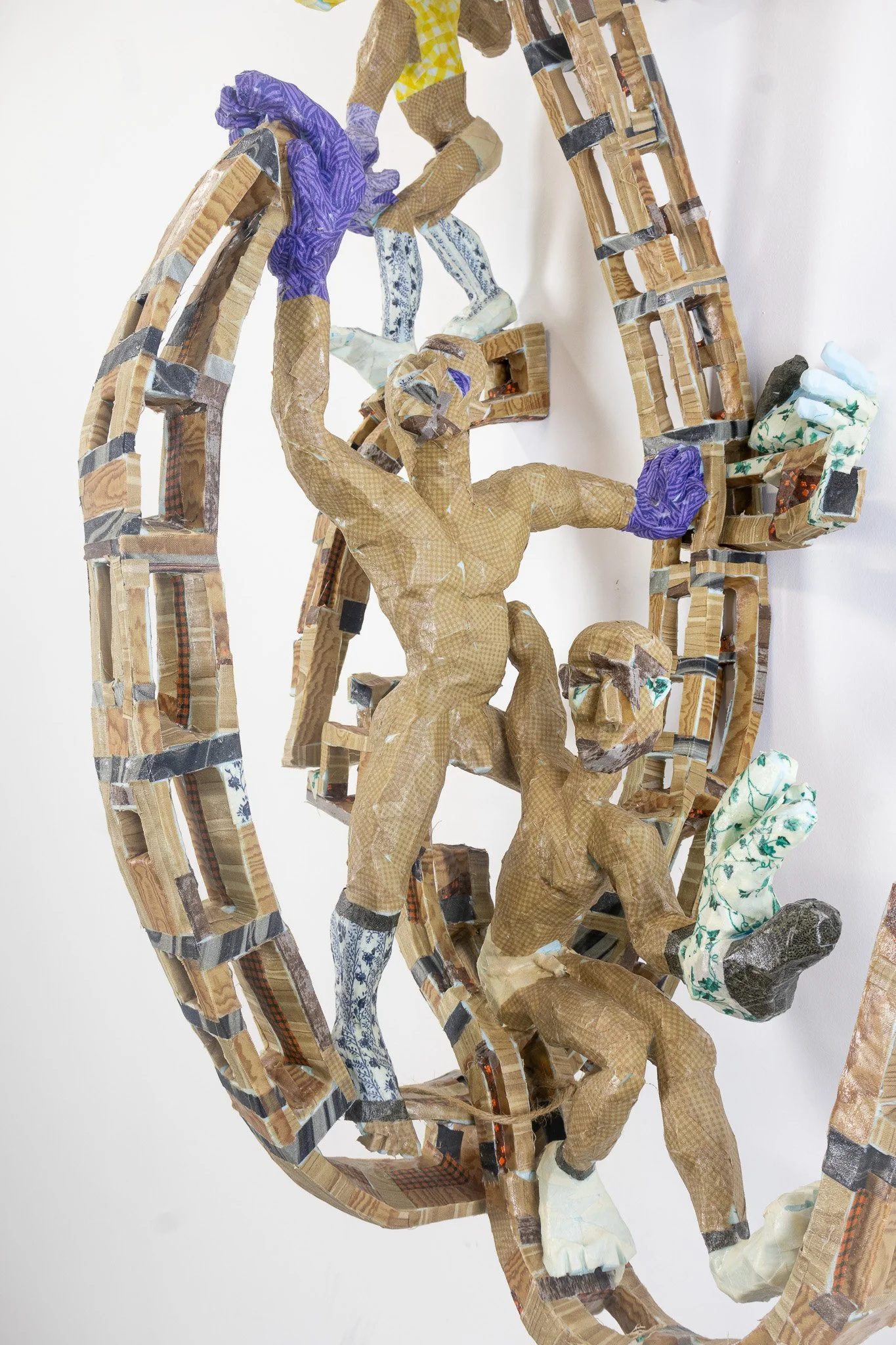
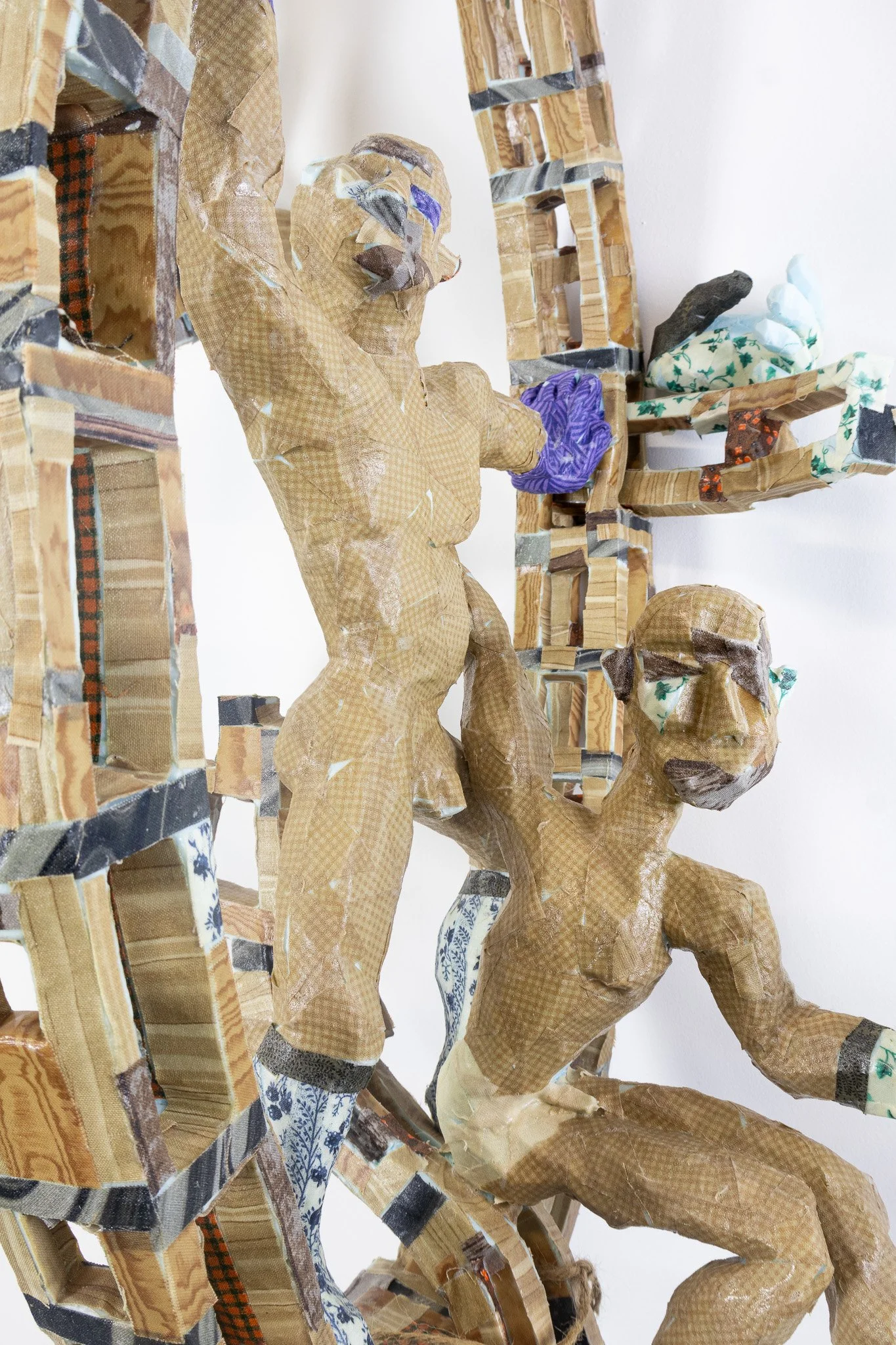
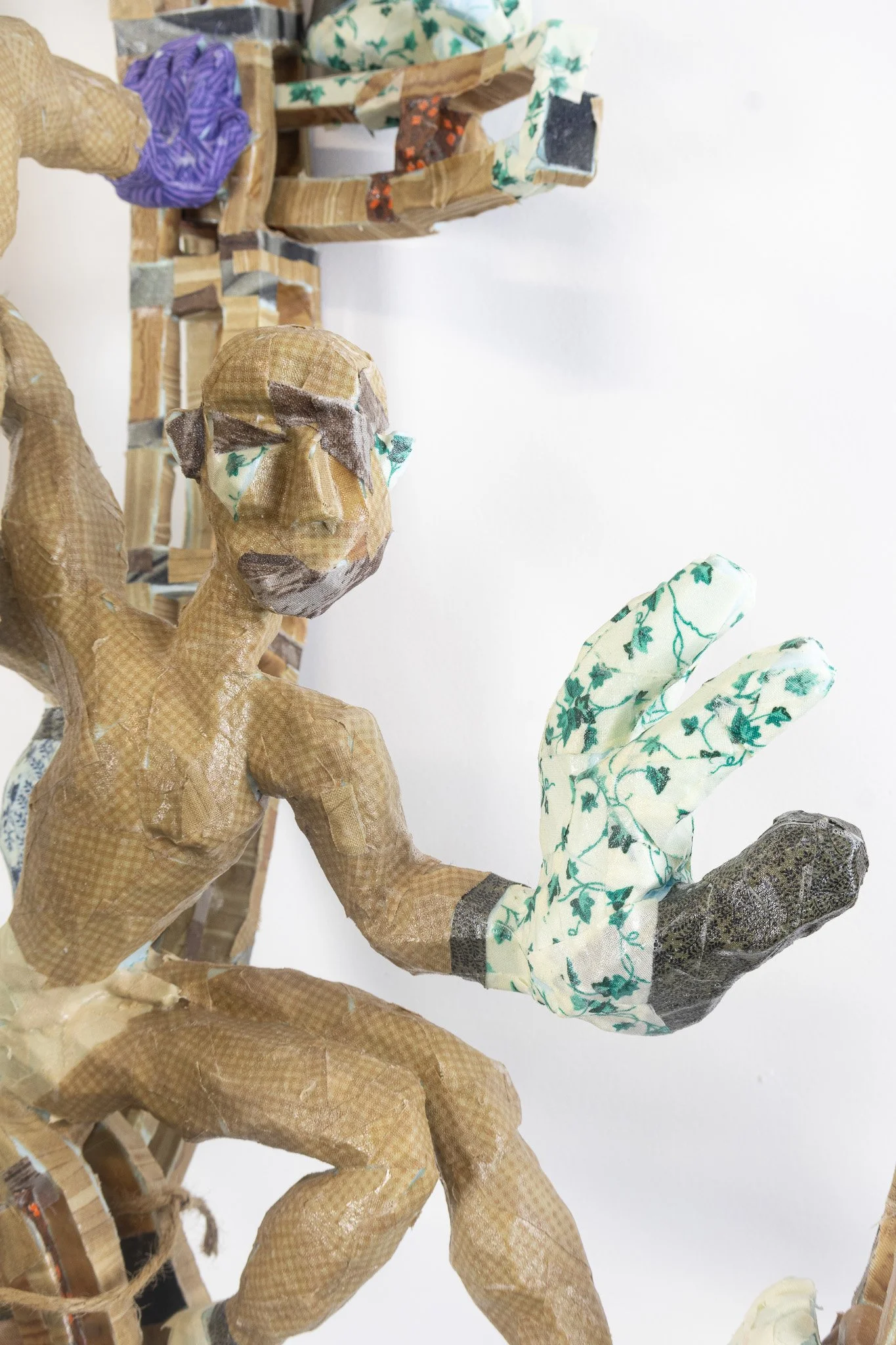
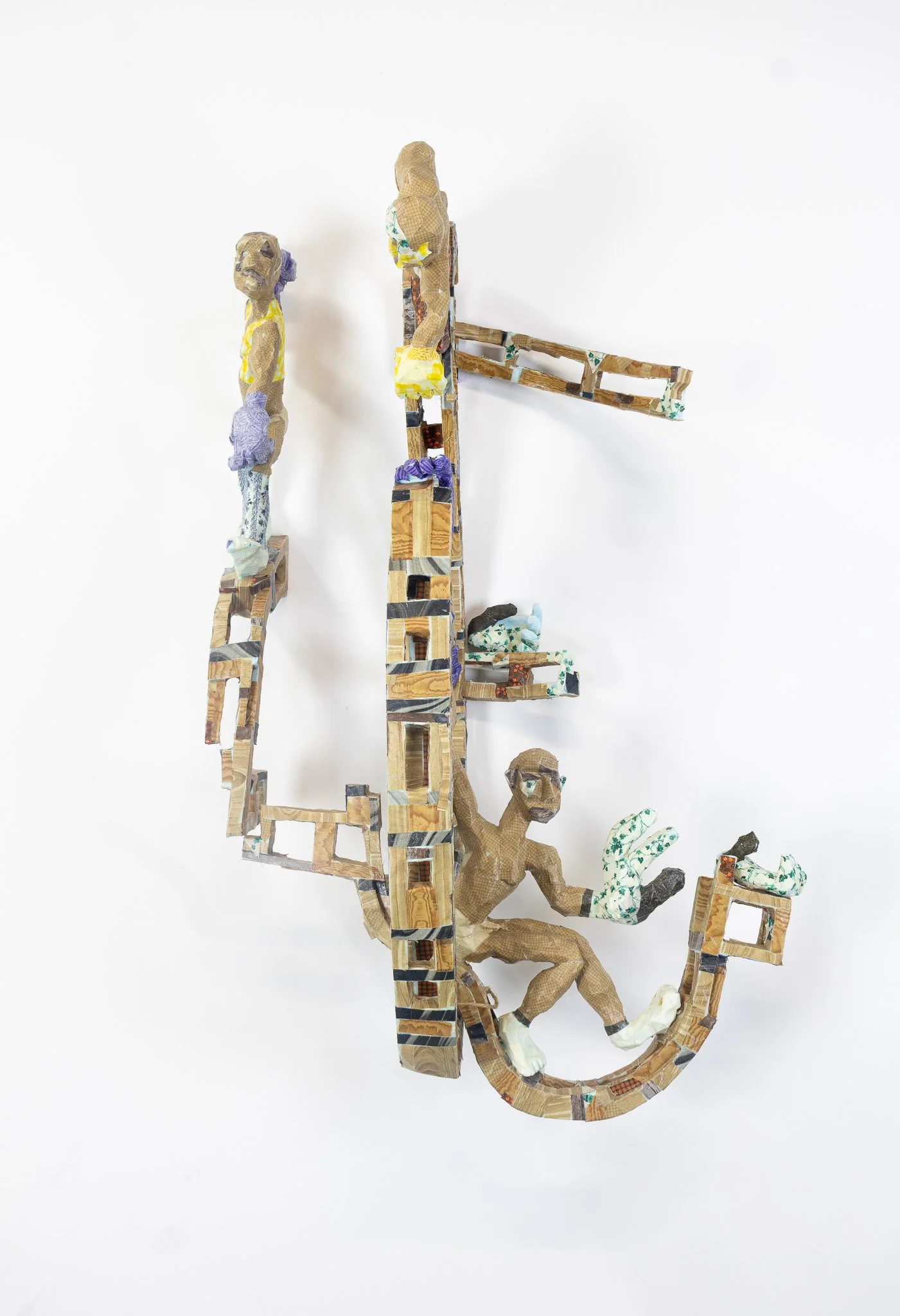
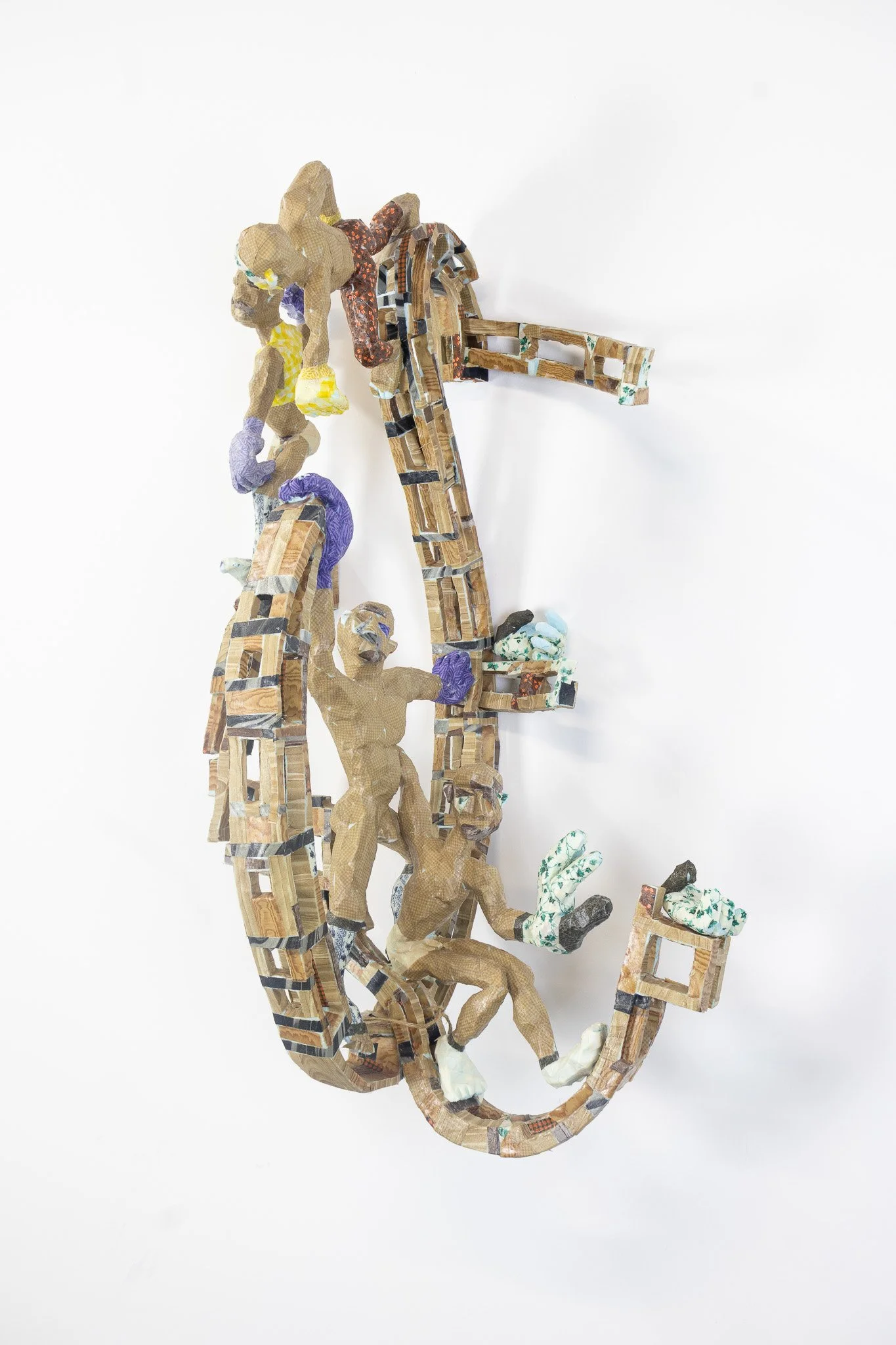
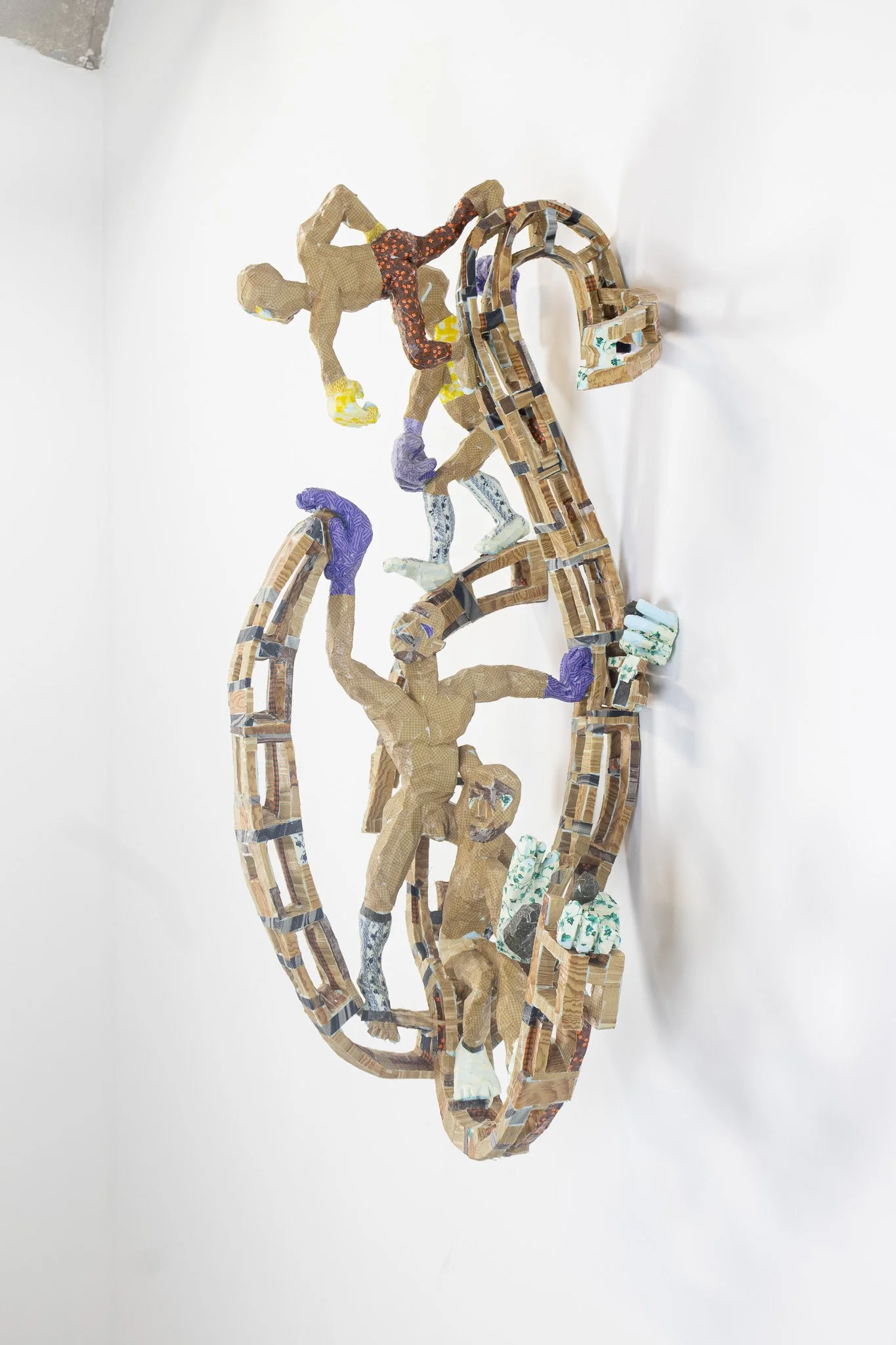
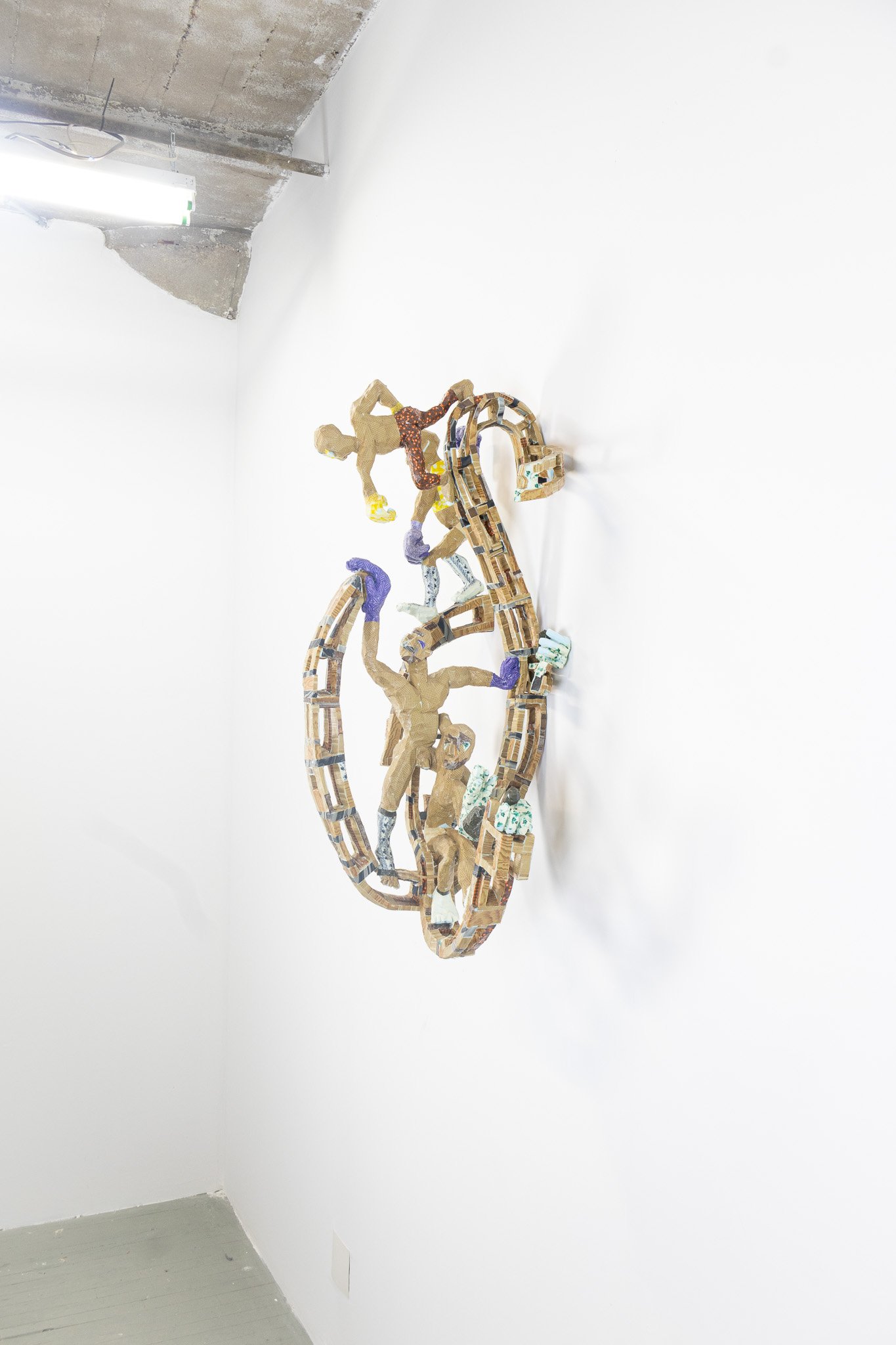
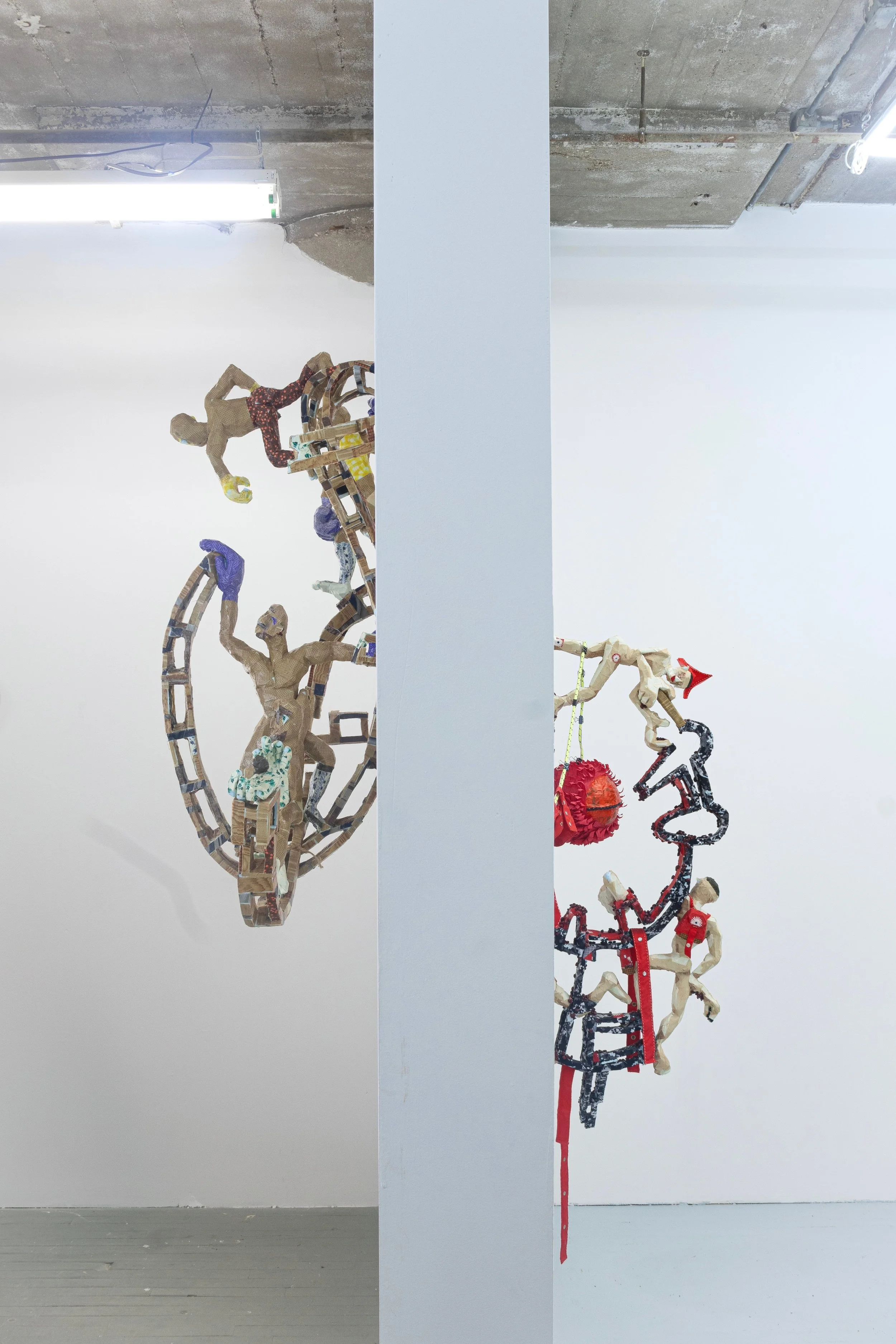
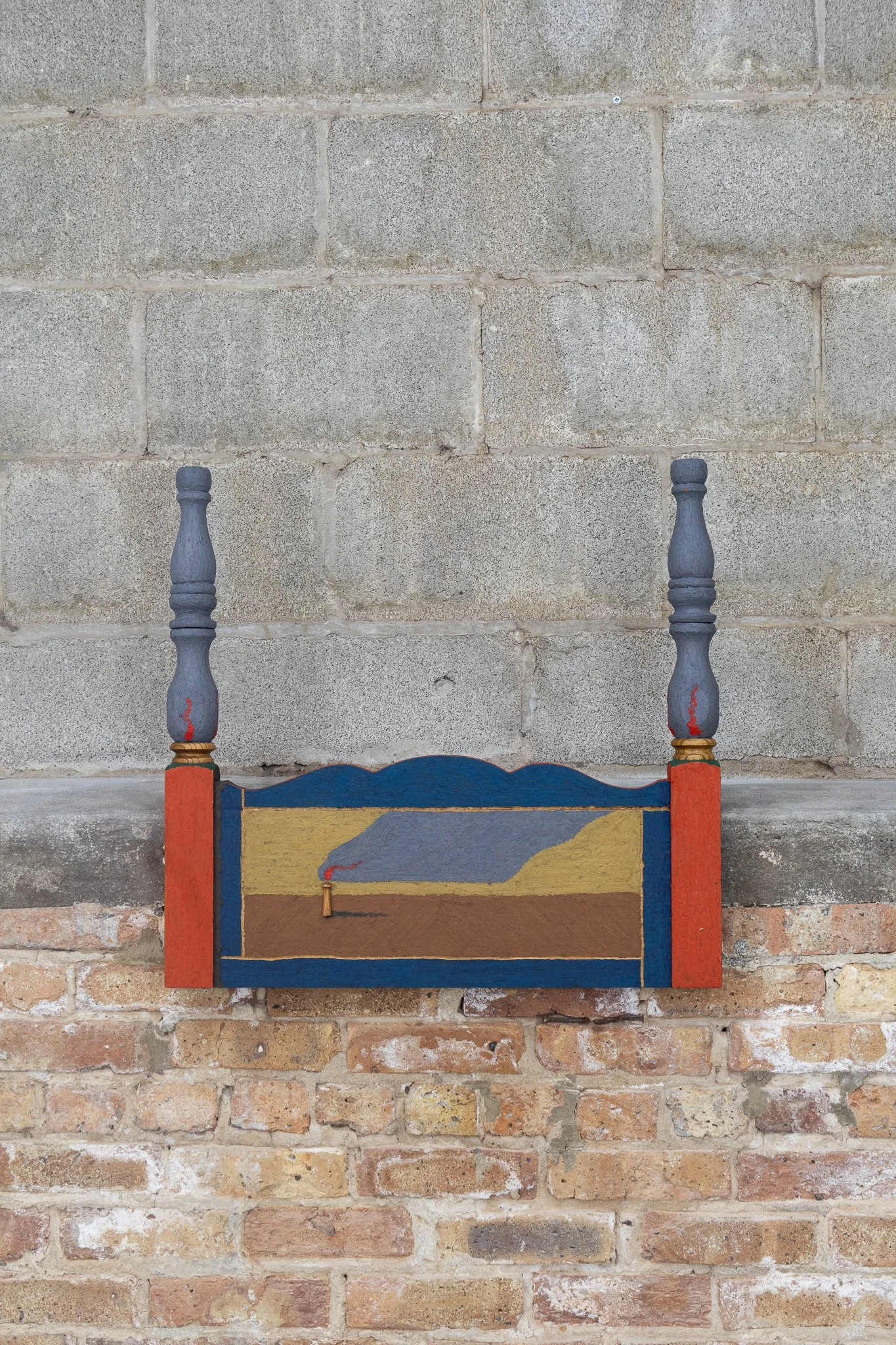
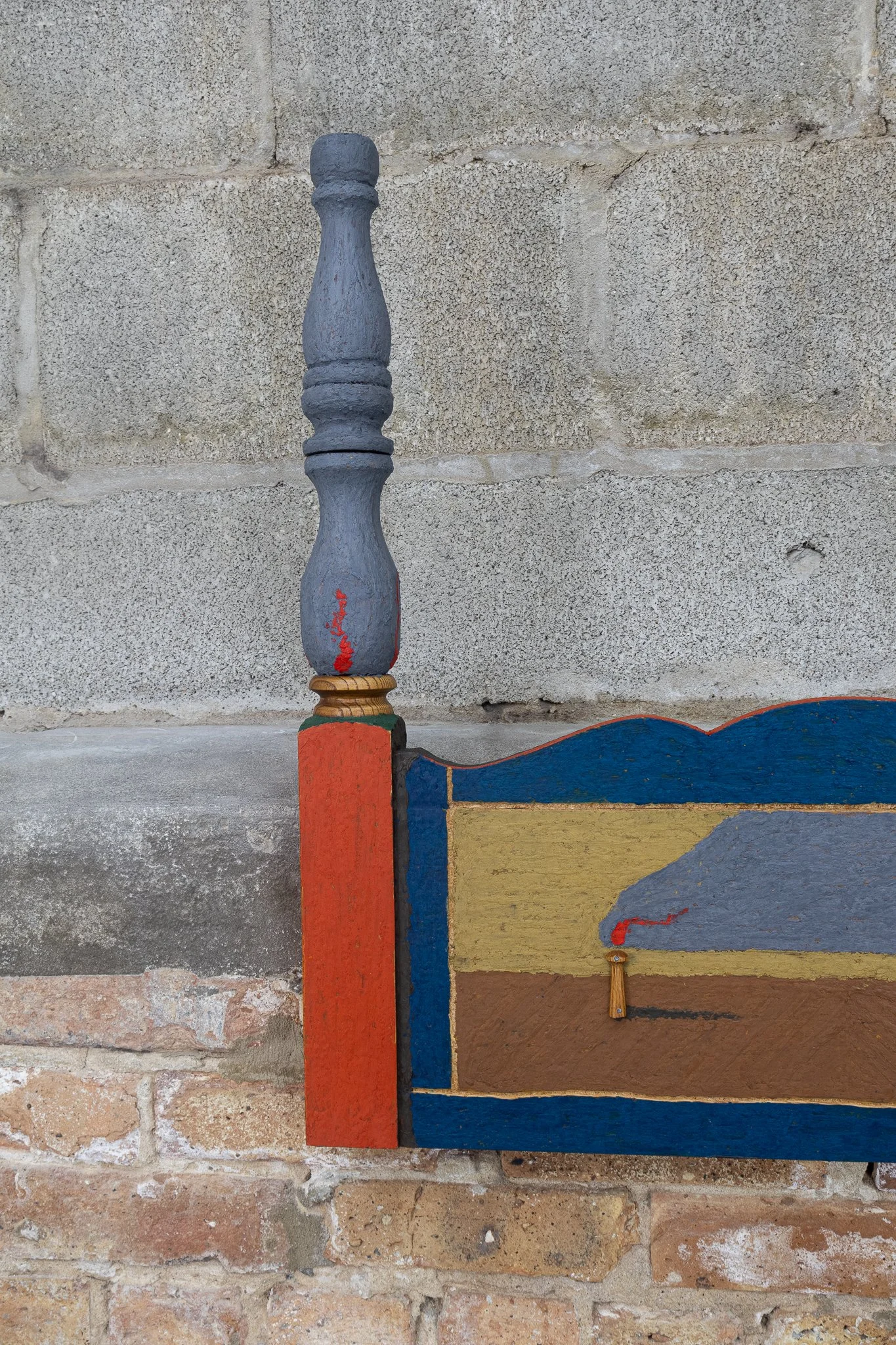
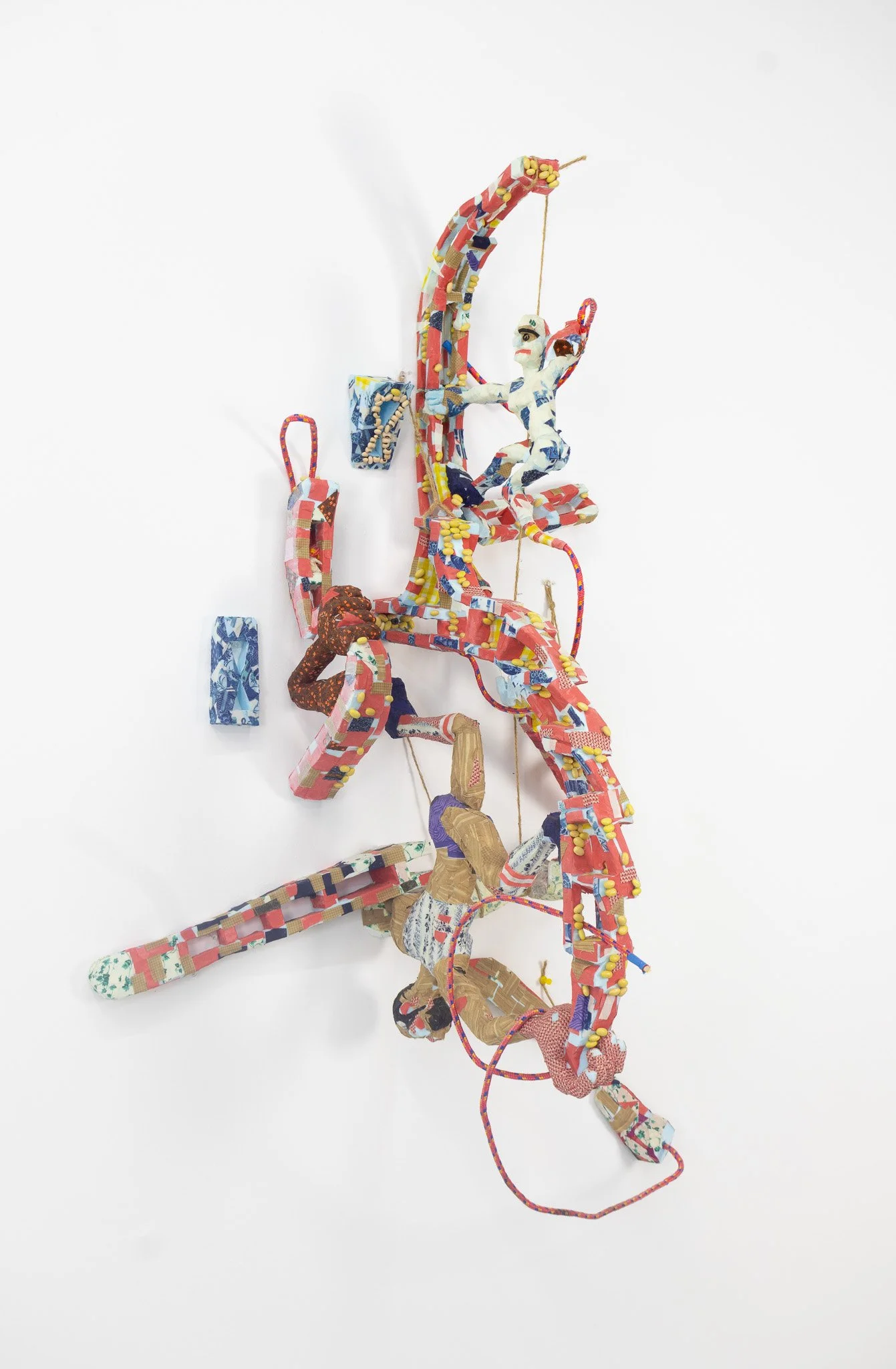
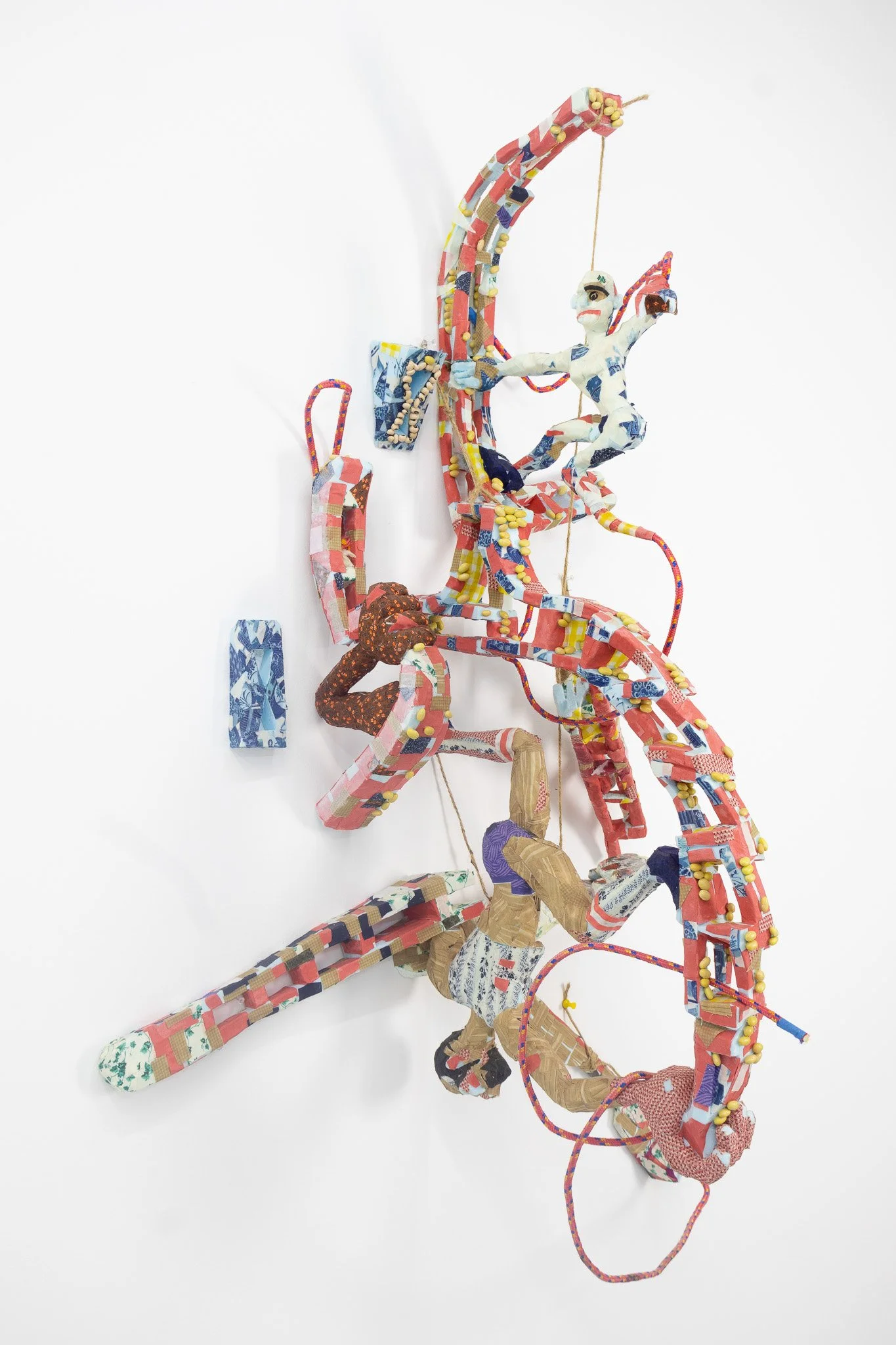
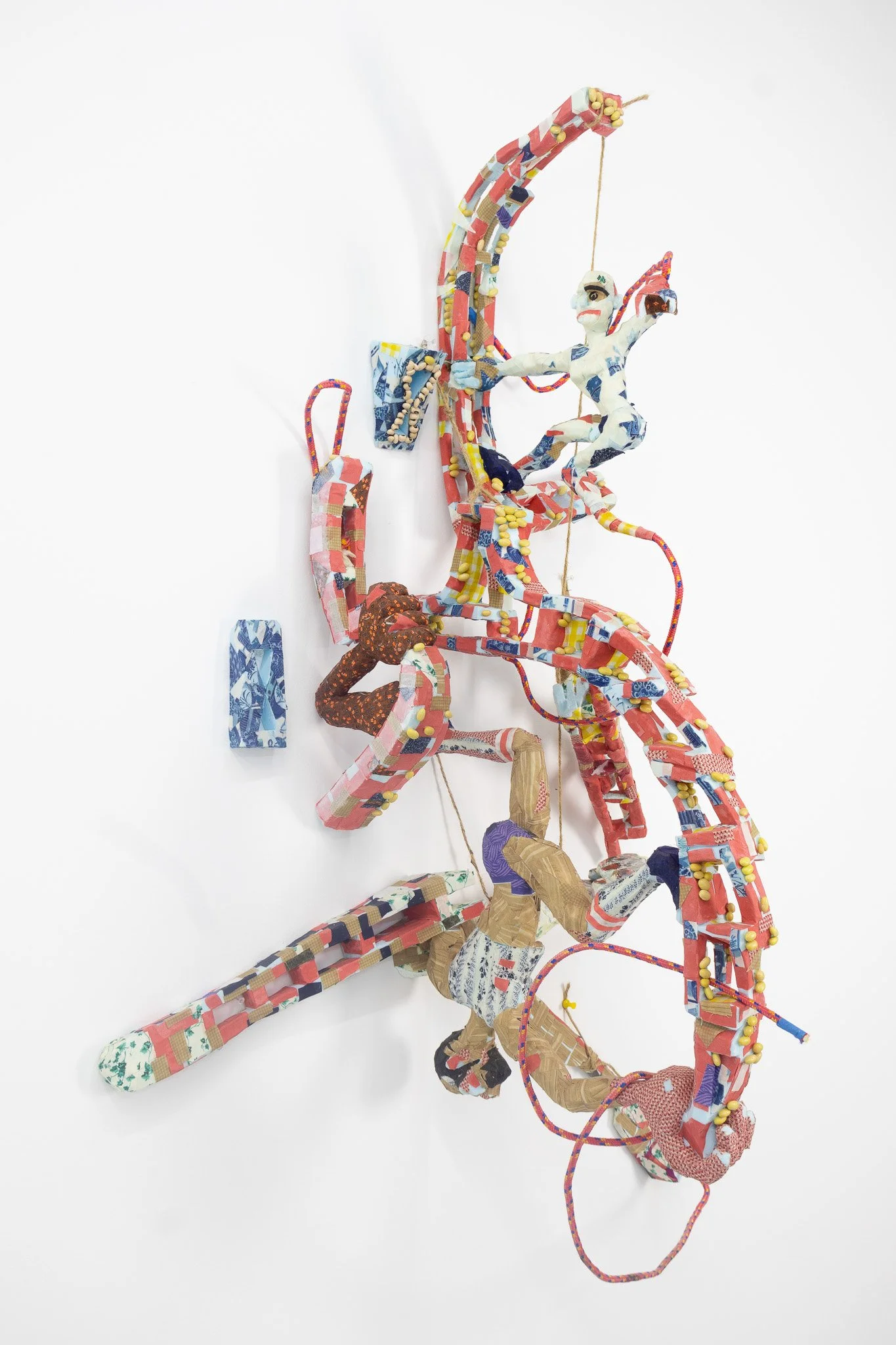
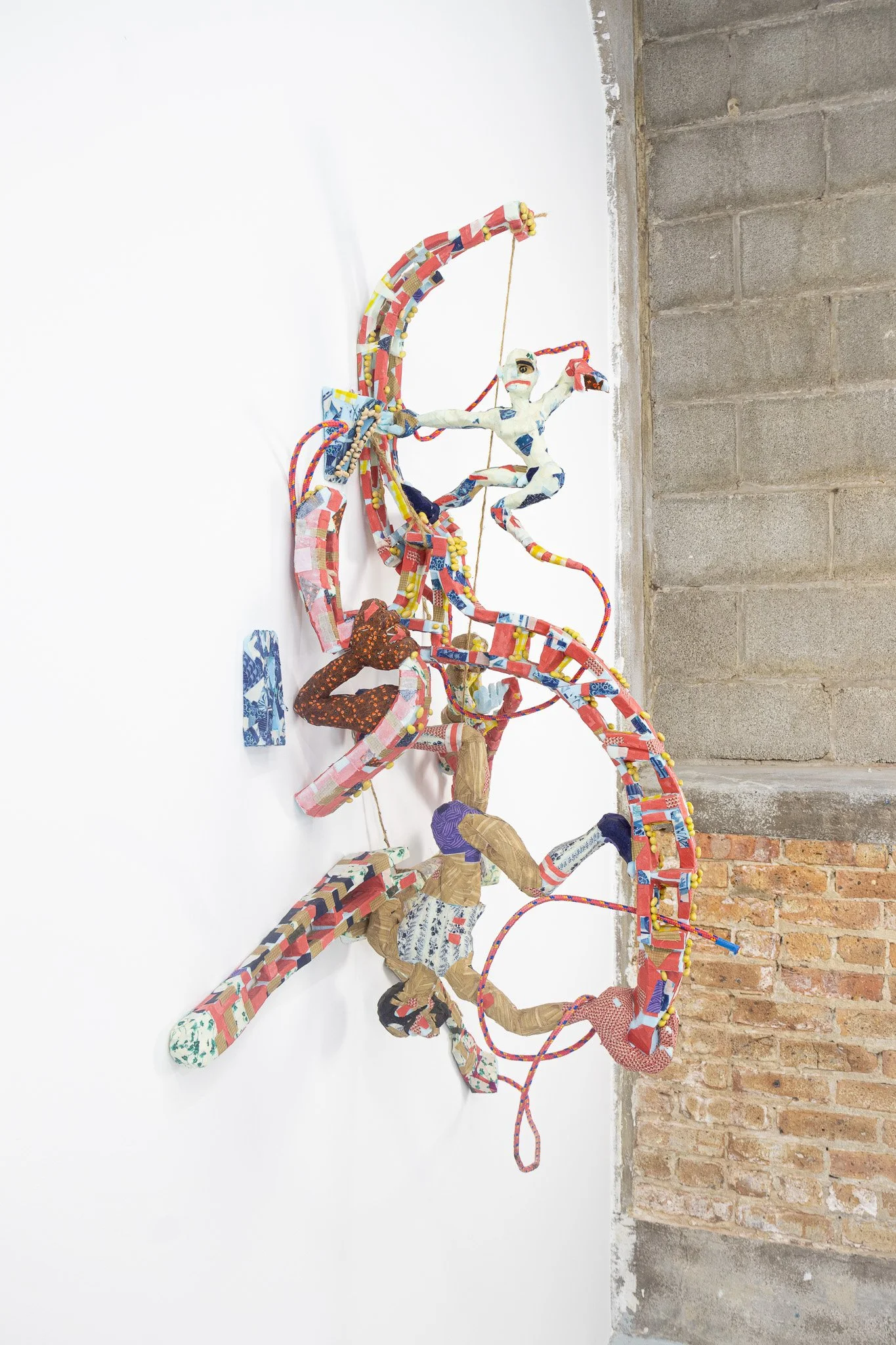
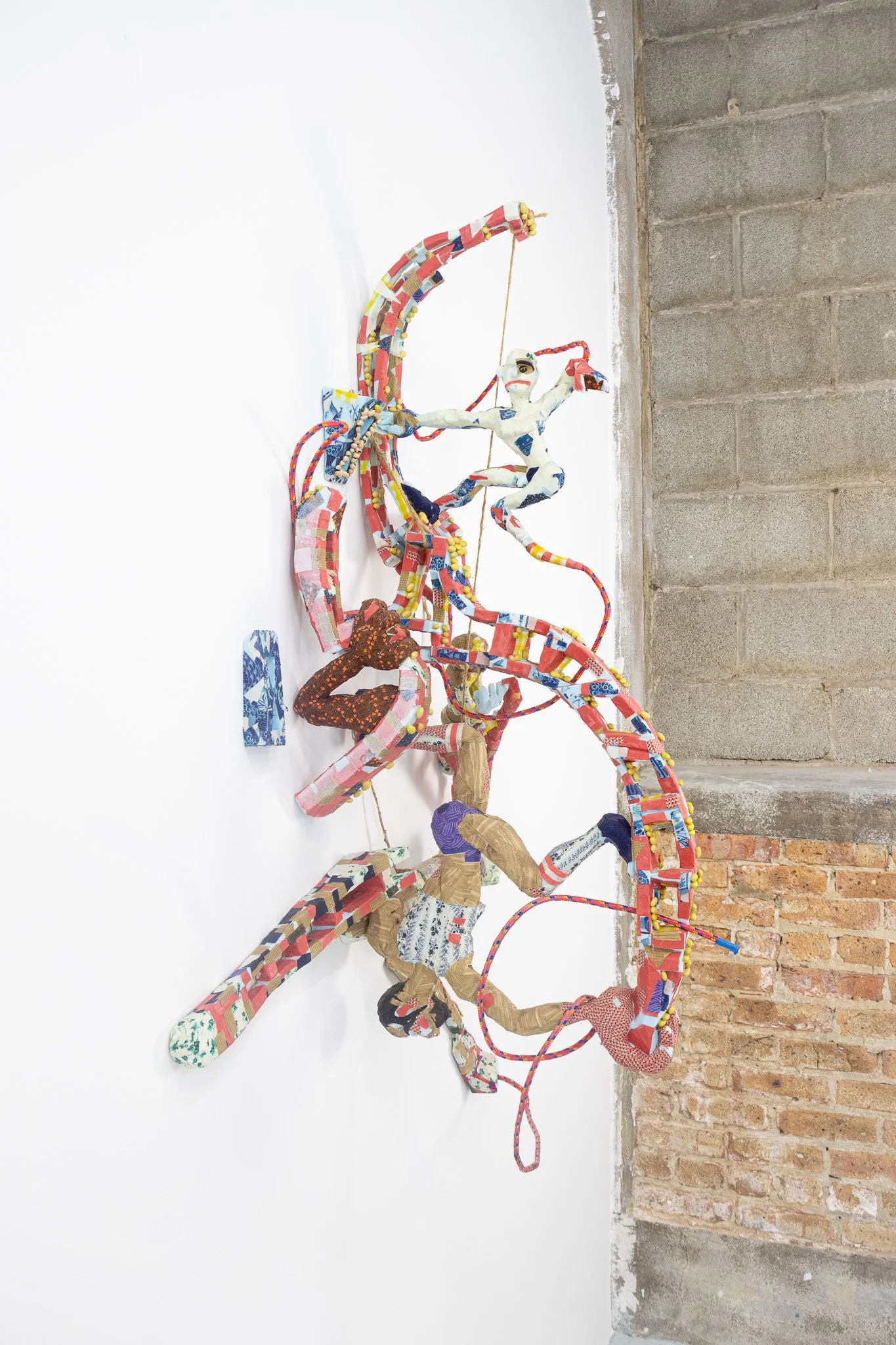
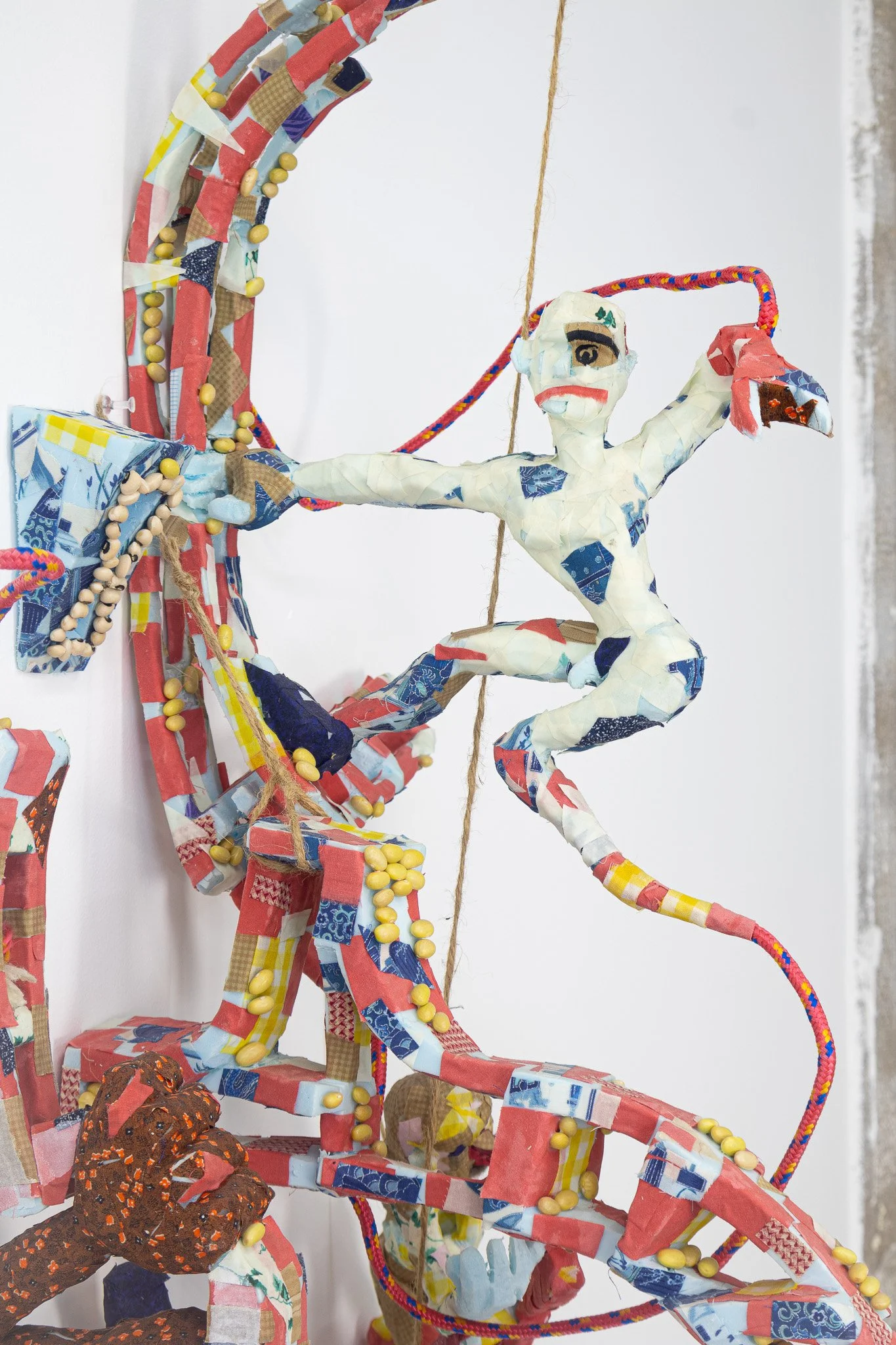
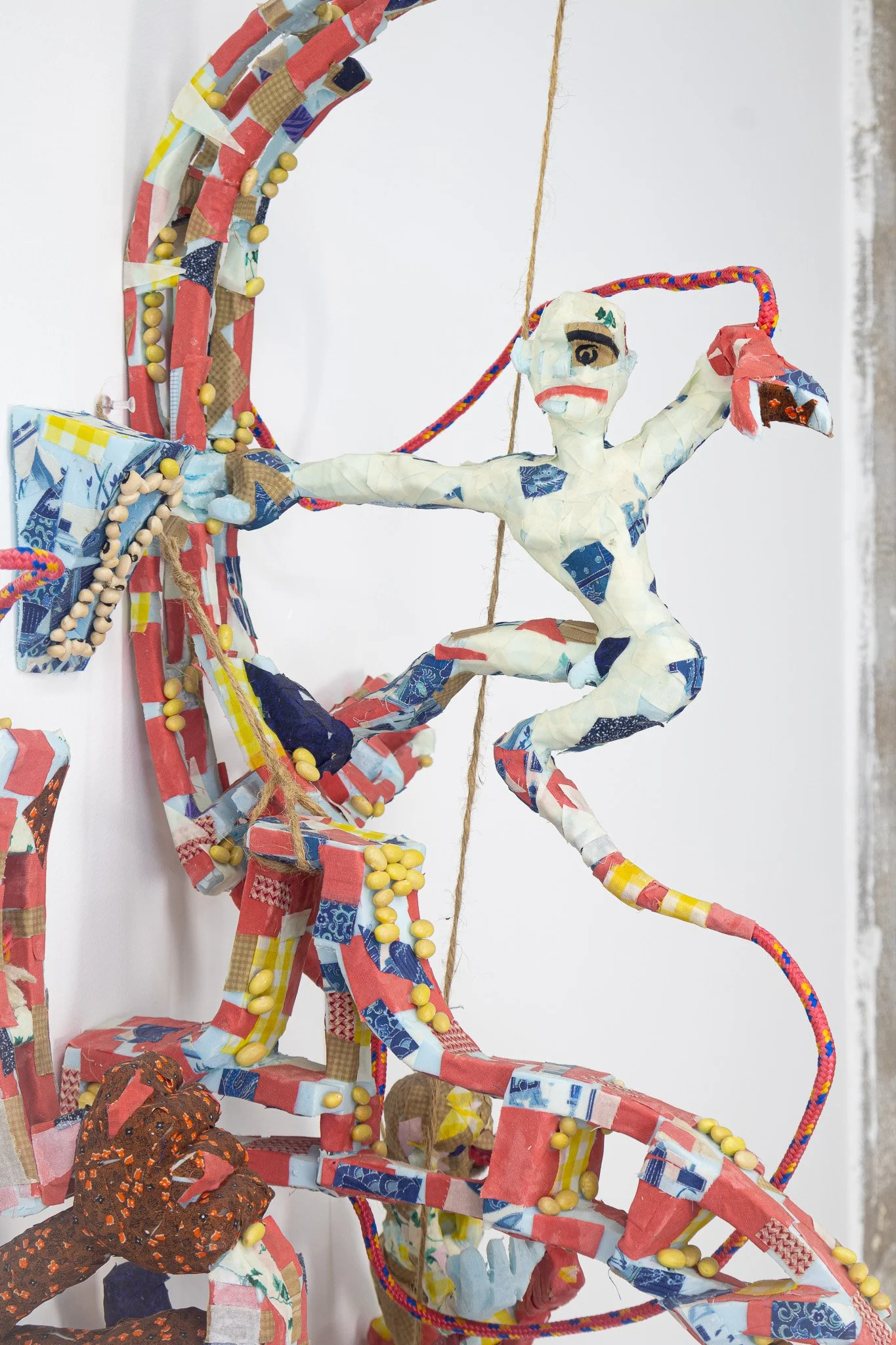
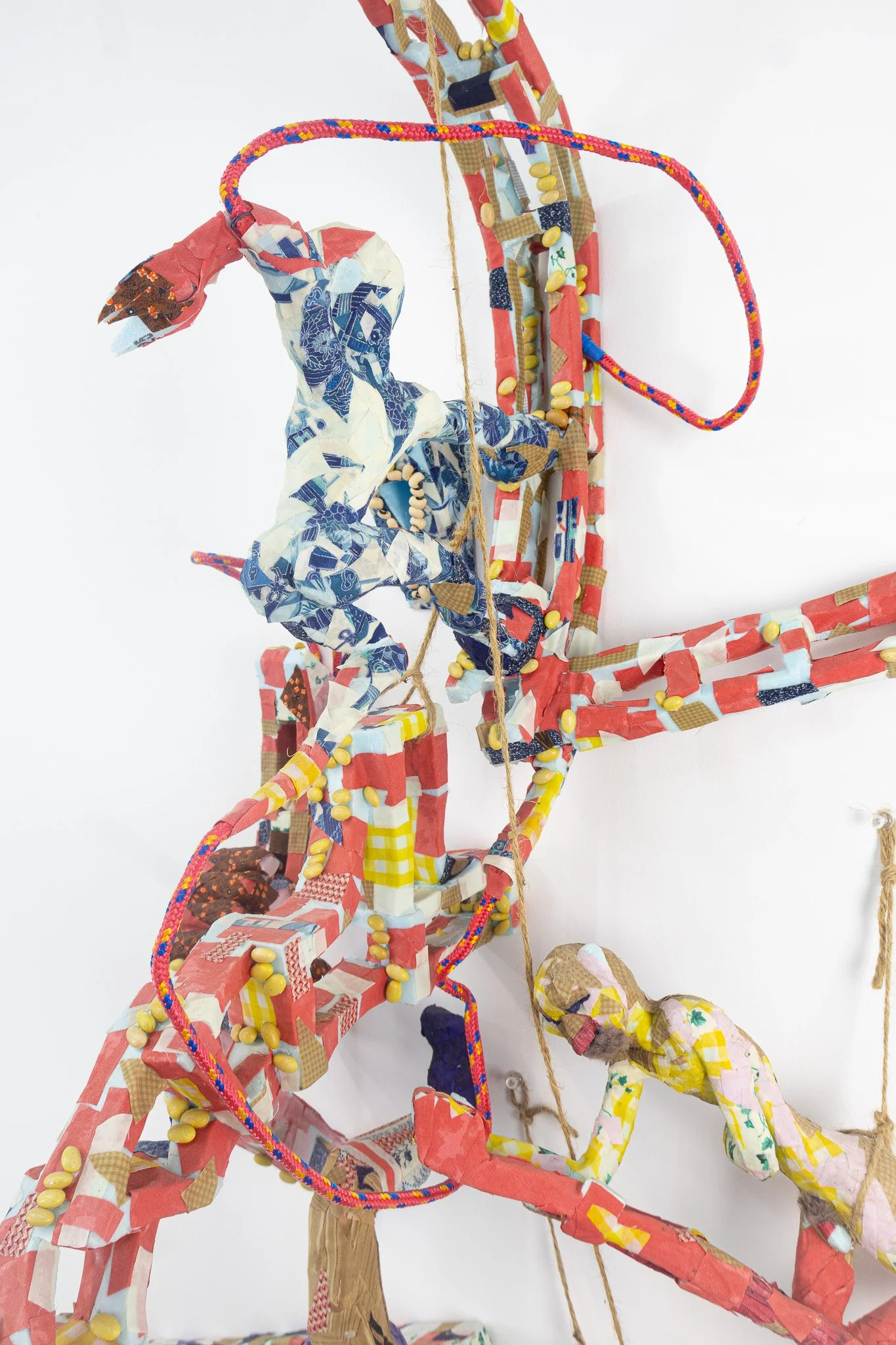
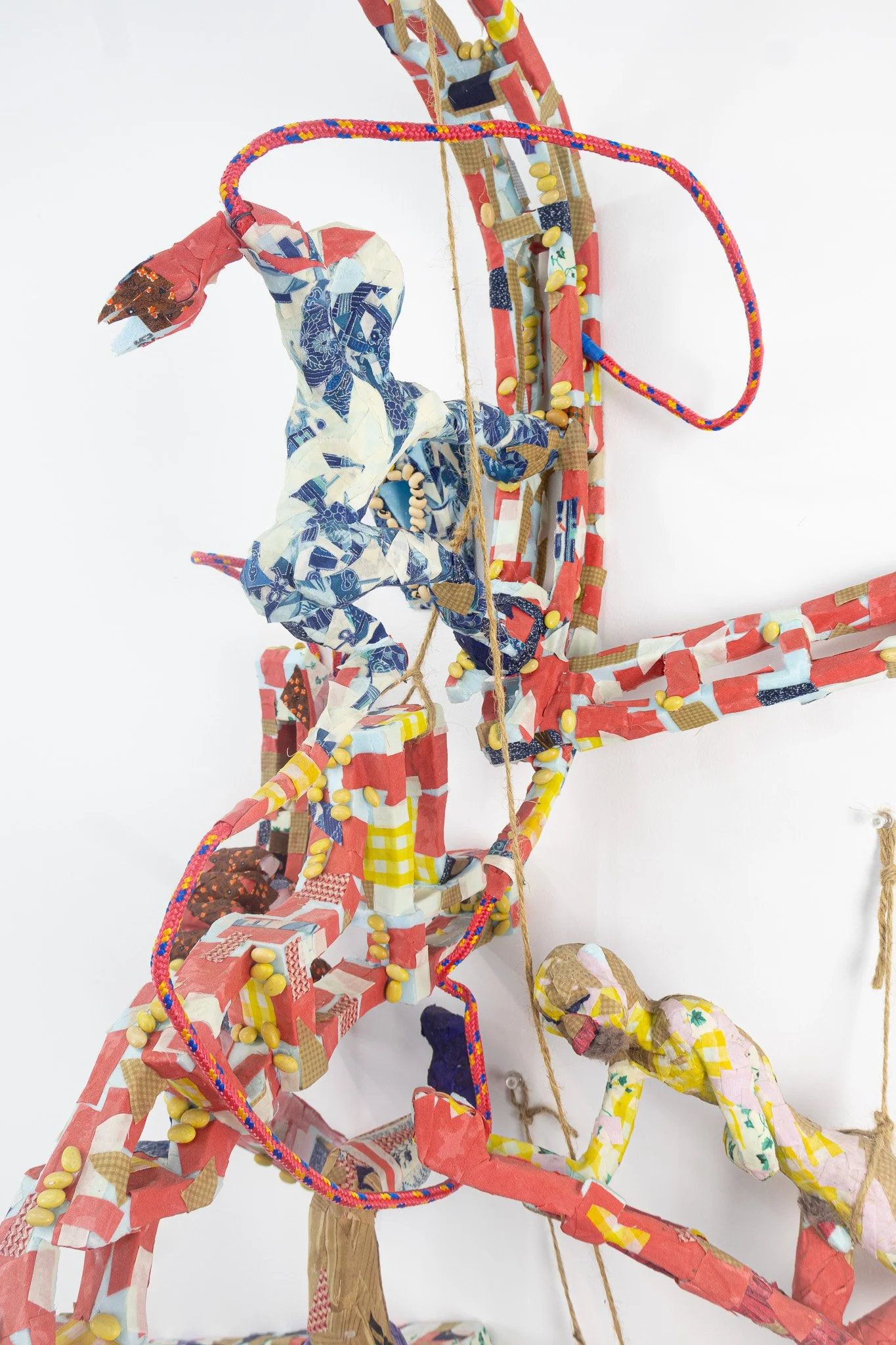
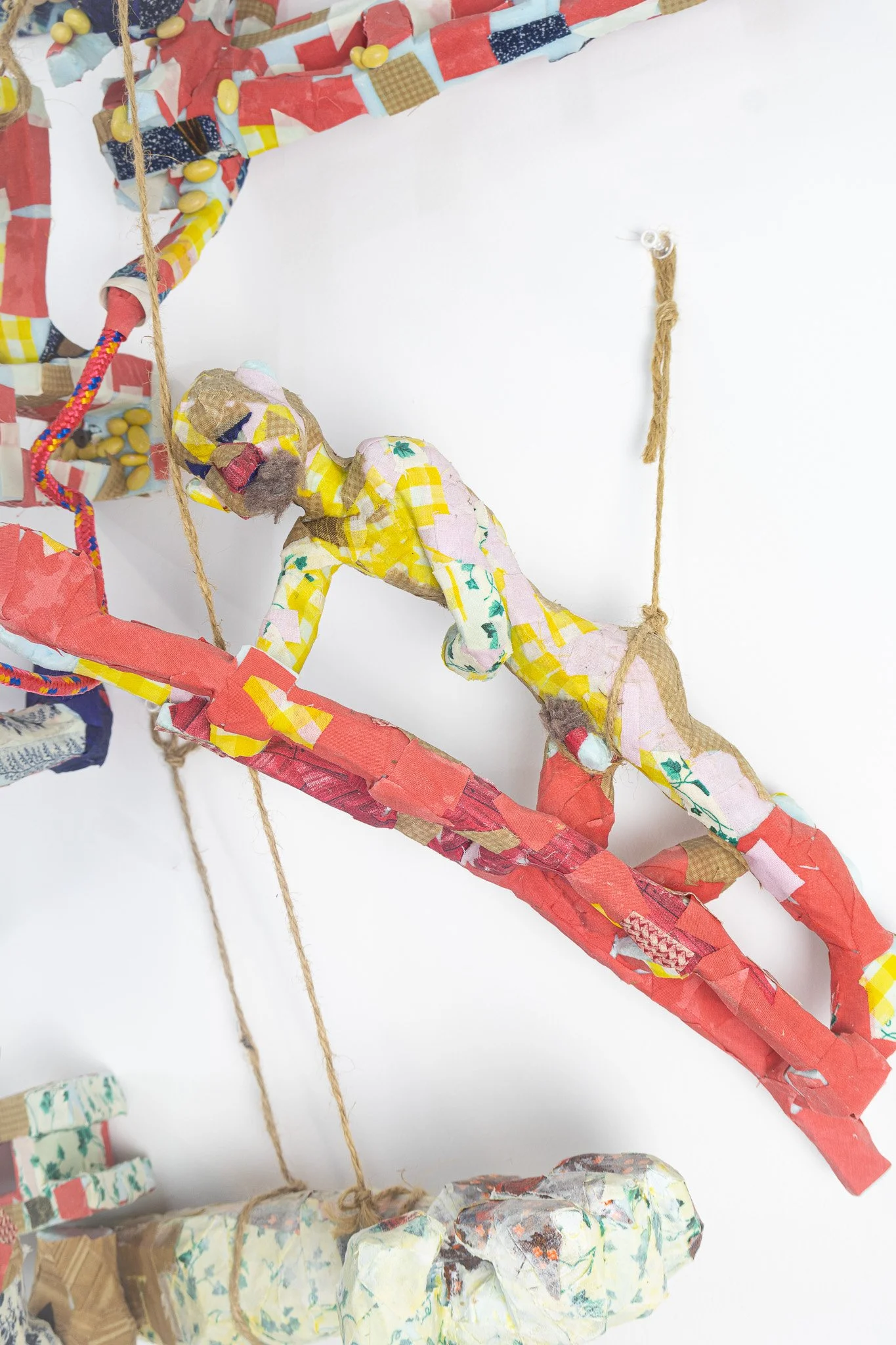
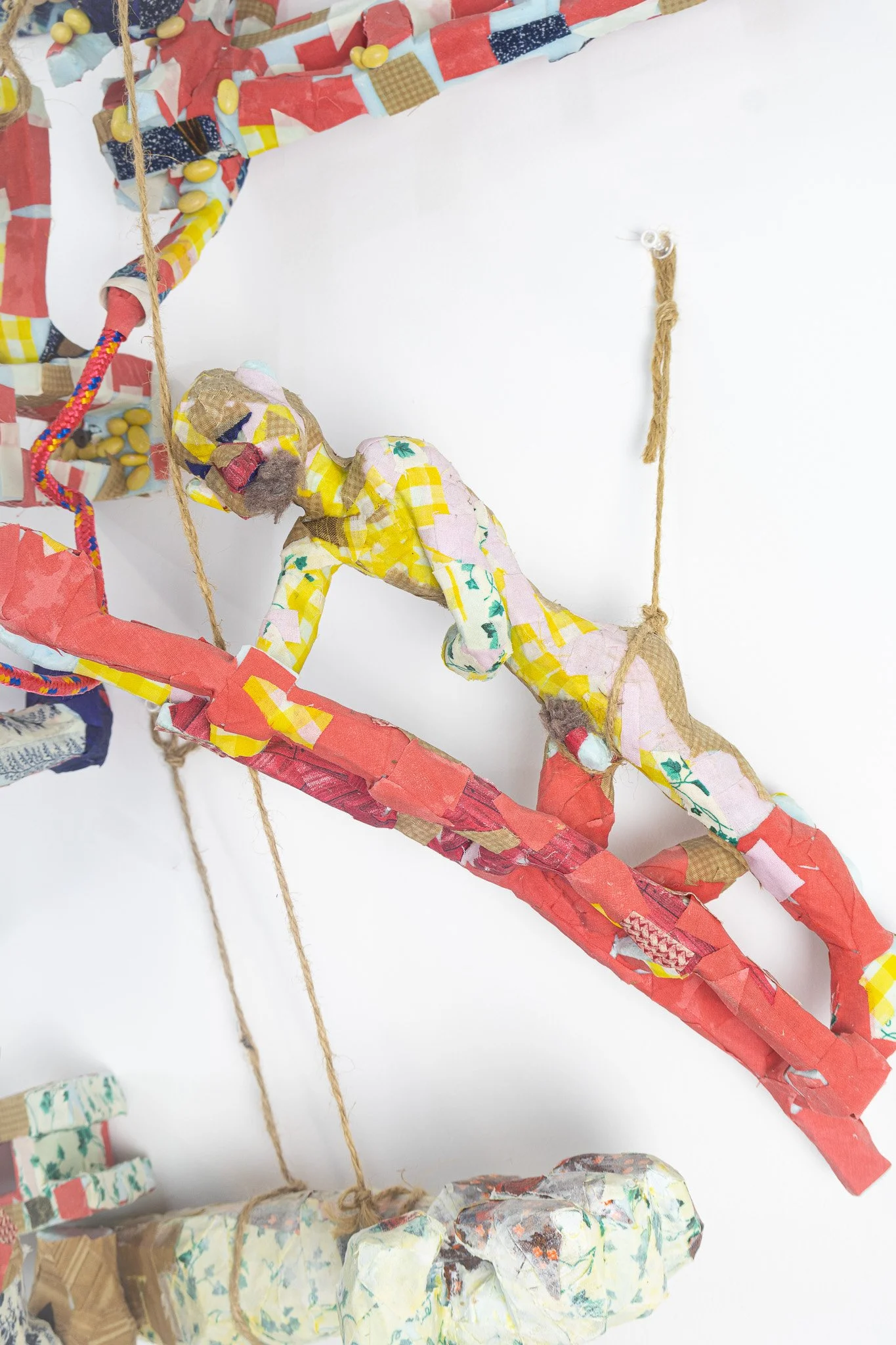
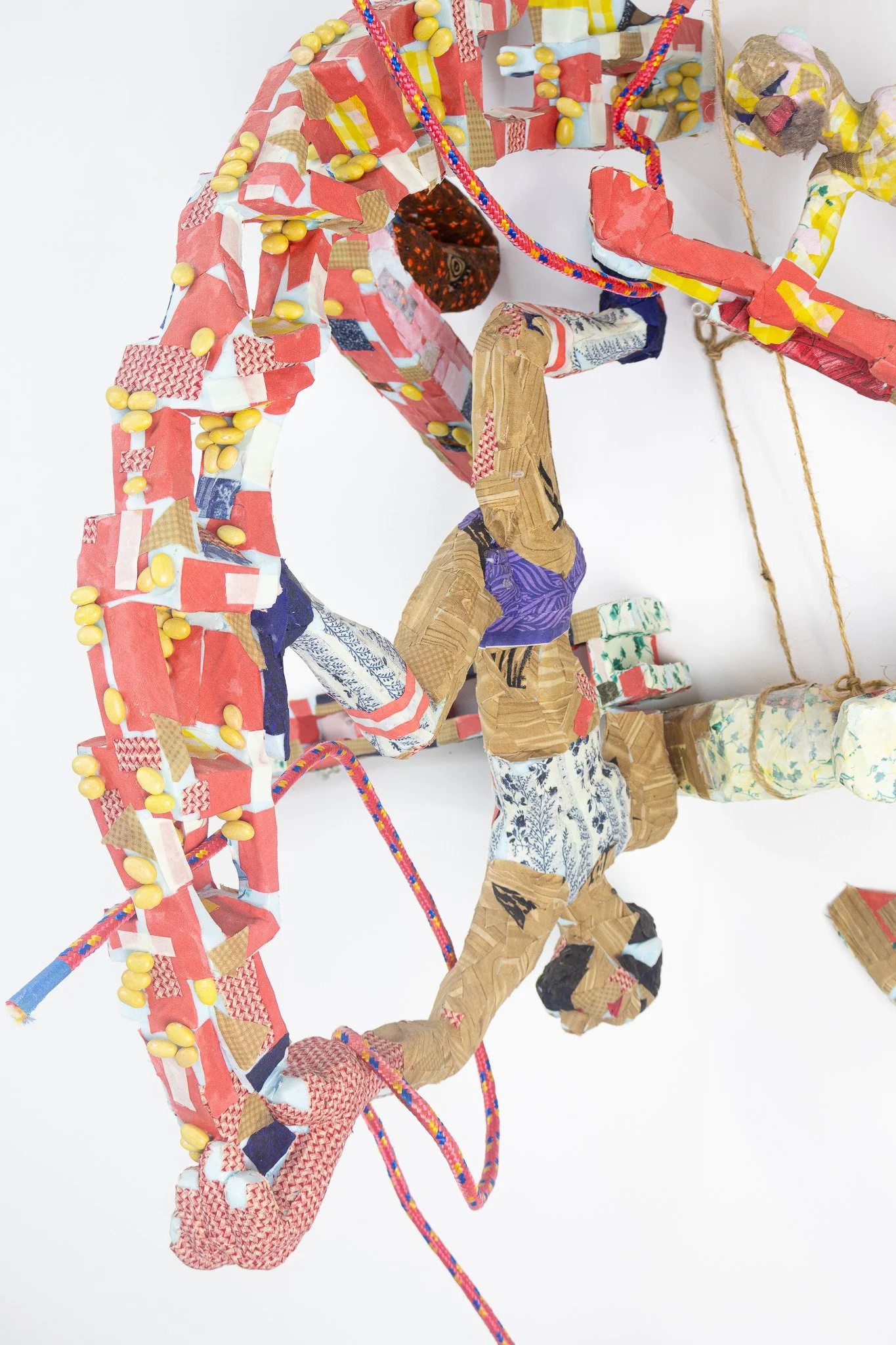
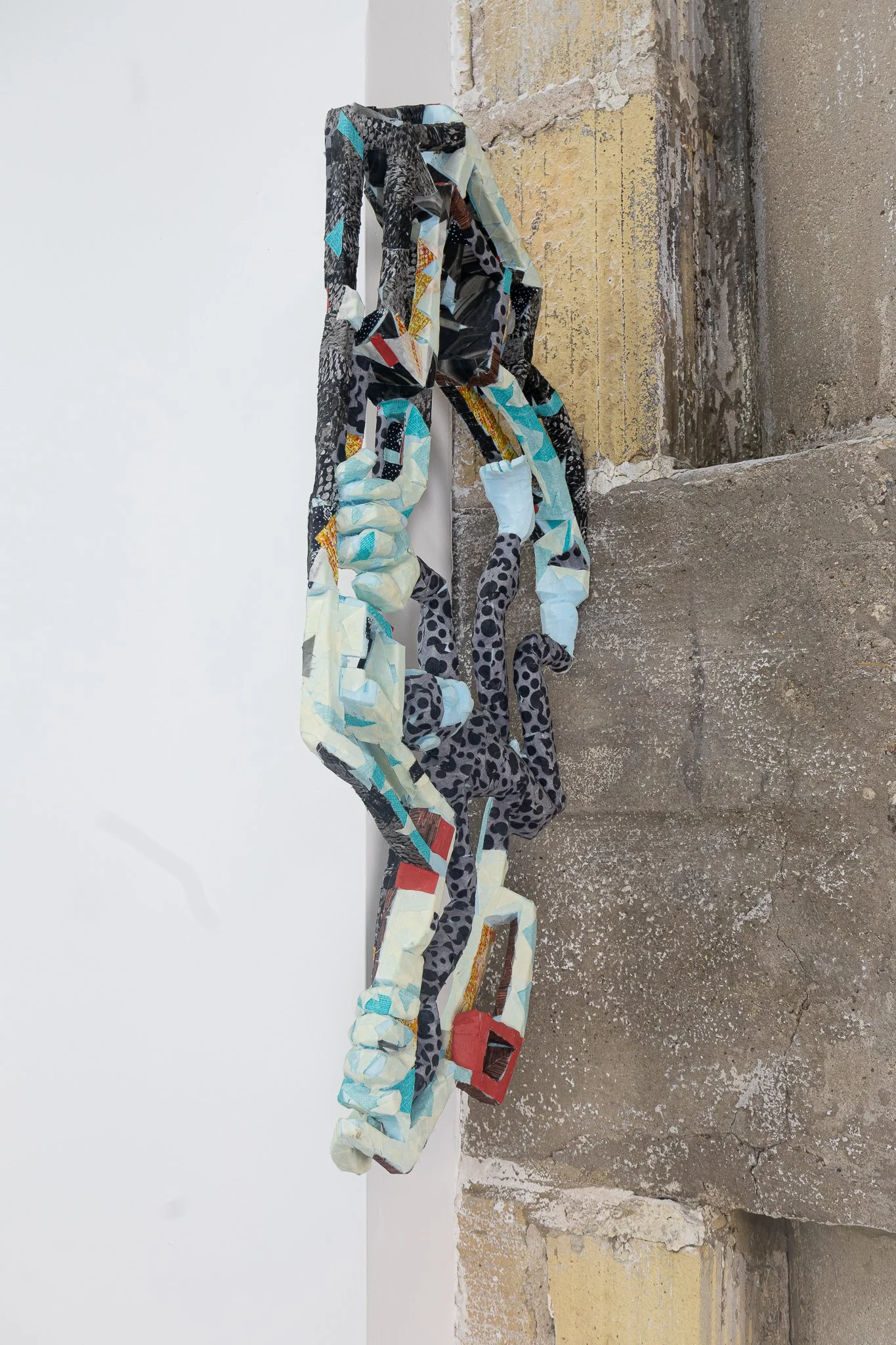
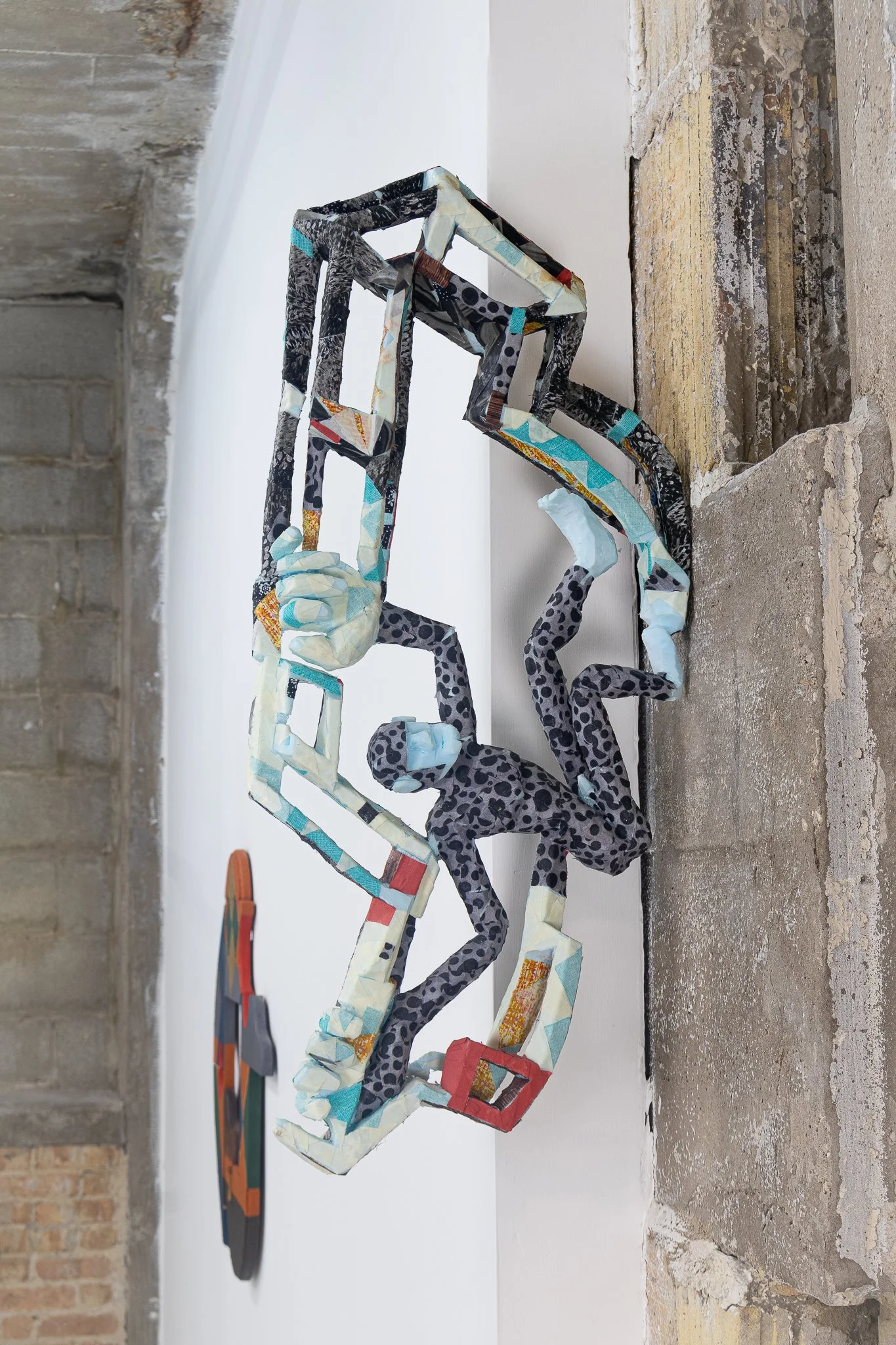
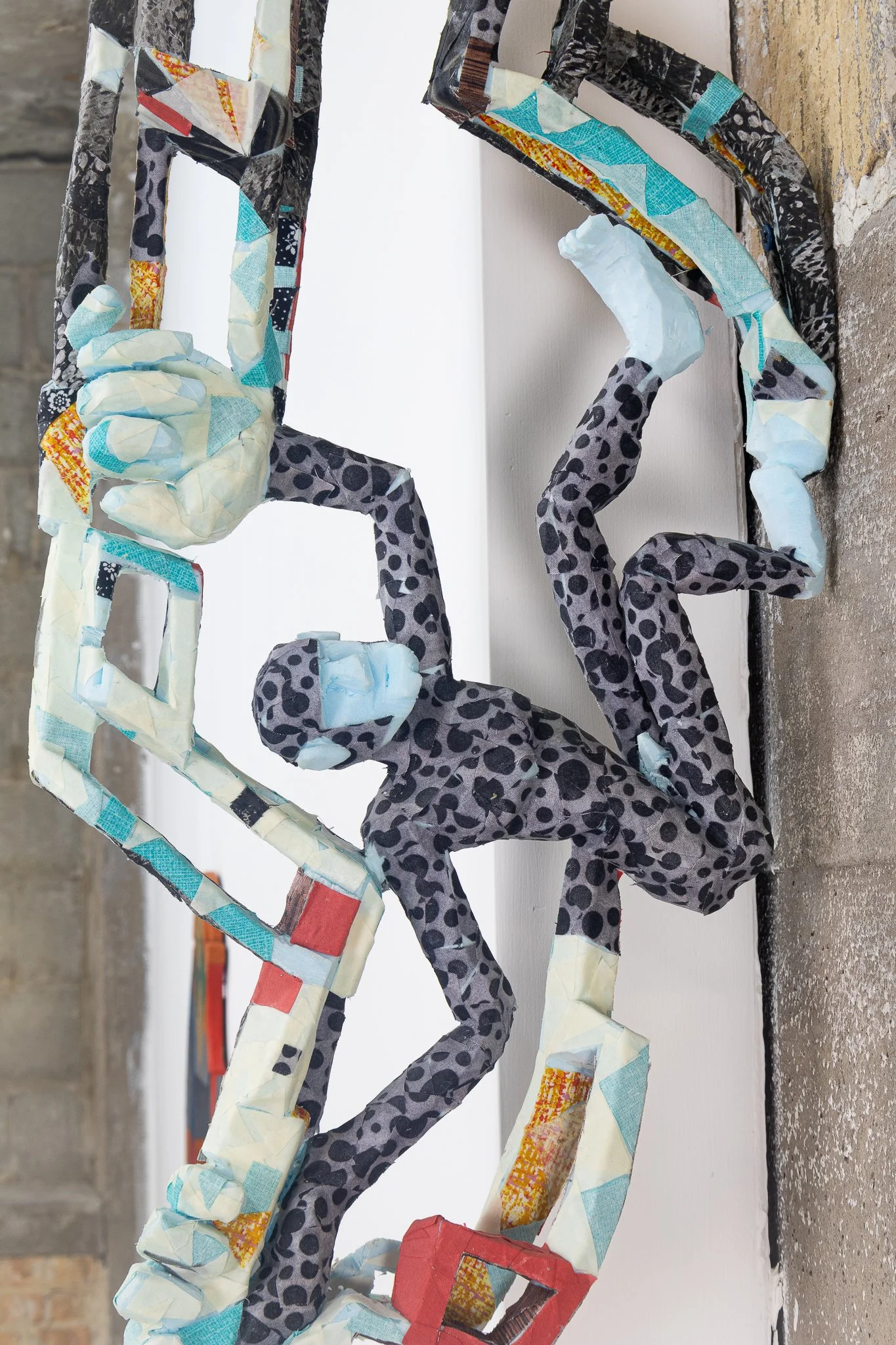
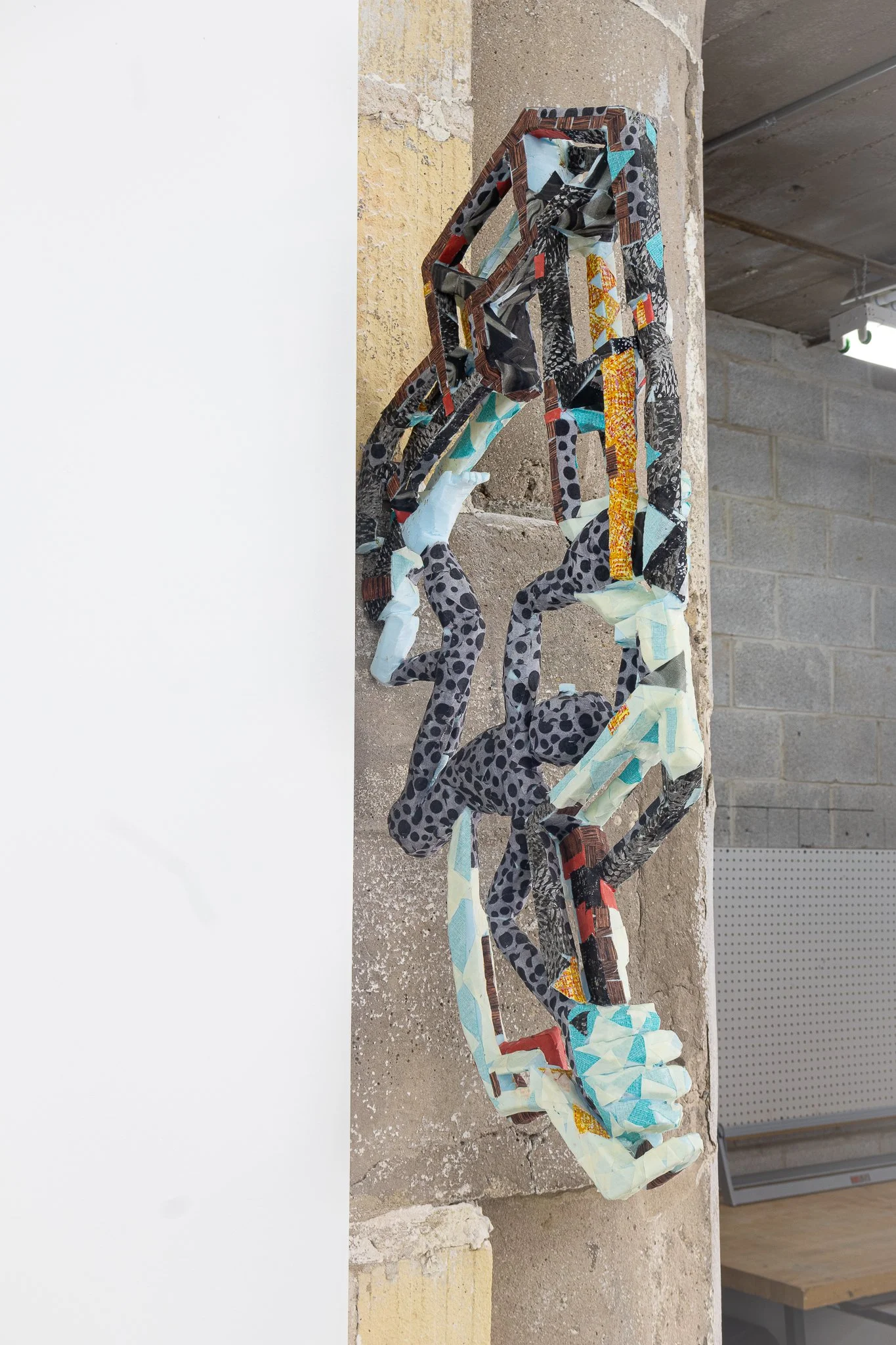
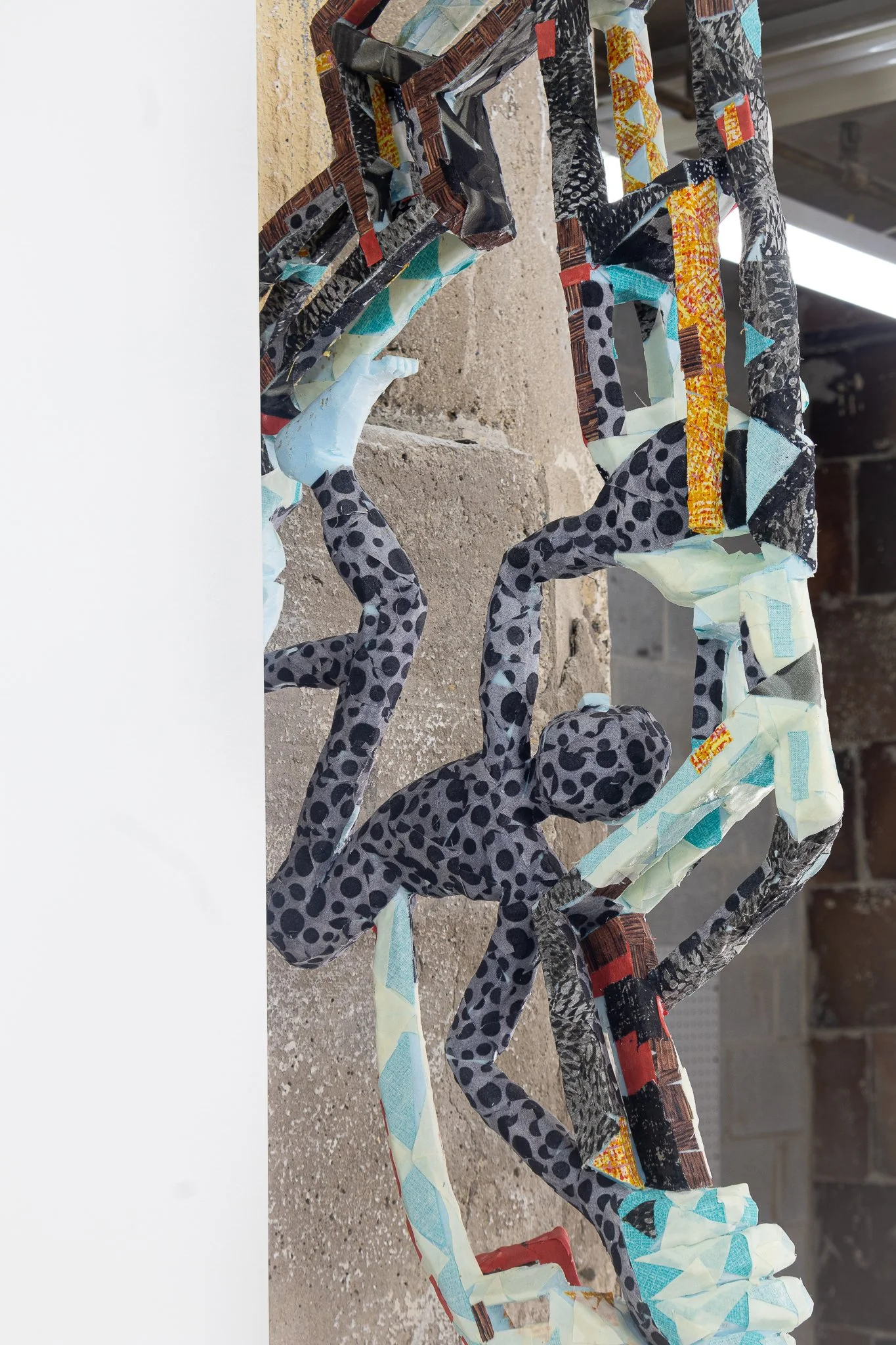

Pure Moods considers mood not as background, but as subject—a primary material through which affect, atmosphere, and perception are constructed. Borrowing its title from the ambient music compilations of the late 1990s, the exhibition uses this cultural artifact as a point of departure rather than a destination. Here, mood is reframed as an active, generative space: a porous terrain shaped by sensation, repetition, and aesthetic intention. Mood is approached as architecture, as residue, as haunting.
Not a nostalgic reenactment, but a recontextualization, Pure Moods becomes a framework through which to explore the visual, spatial, and emotional architecture of “mood.” This exhibition proposes an emotional range of the ethereal: mood as material, mood as memory, mood as myth. Mood as technology—sound waves, gradients, reverbs—or as spirit, ineffable and expansive. Channelling a shared language of plasticity, mystery, and resonance, the works invite a kind of experiential drift. A surrender to tone, texture, and atmospheric pull that collectively asks: What does it mean to be moved—not by narrative or logic, but by tone, temperature, texture?
The selections on view engage mood as a mode of transmission and translation of emotions–memory, longing, or escape that often resist clarity in favor of affective density. What emerges is an inquiry into how mood operates across media. How it coats, absorbs, distorts, or reveals; exposing that liminal space between presence and escape where ambiance functions both as sensory balm and as psychic terrain. Can we escape into materiality as an act of presence and resistance?
In a time of constant signal and urgency, Pure Moods offers slowness and spaciousness. The works conjure environments that hover between clarity and fog, past and future, embodiment and disappearance; utilizing the power of atmosphere to hold meaning in suspension. It proposes that to feel—to tune in to the subtle, the ambient, the liminal—is in itself a political and poetic act. They can't catch us sleeping if we don’t close our eyes.

Fly by Night
Anaïs Morales and Dom Smith
April 26th - June 7th, 2025
Opening reception:
April 26th, 2025
6:00 - 10:00
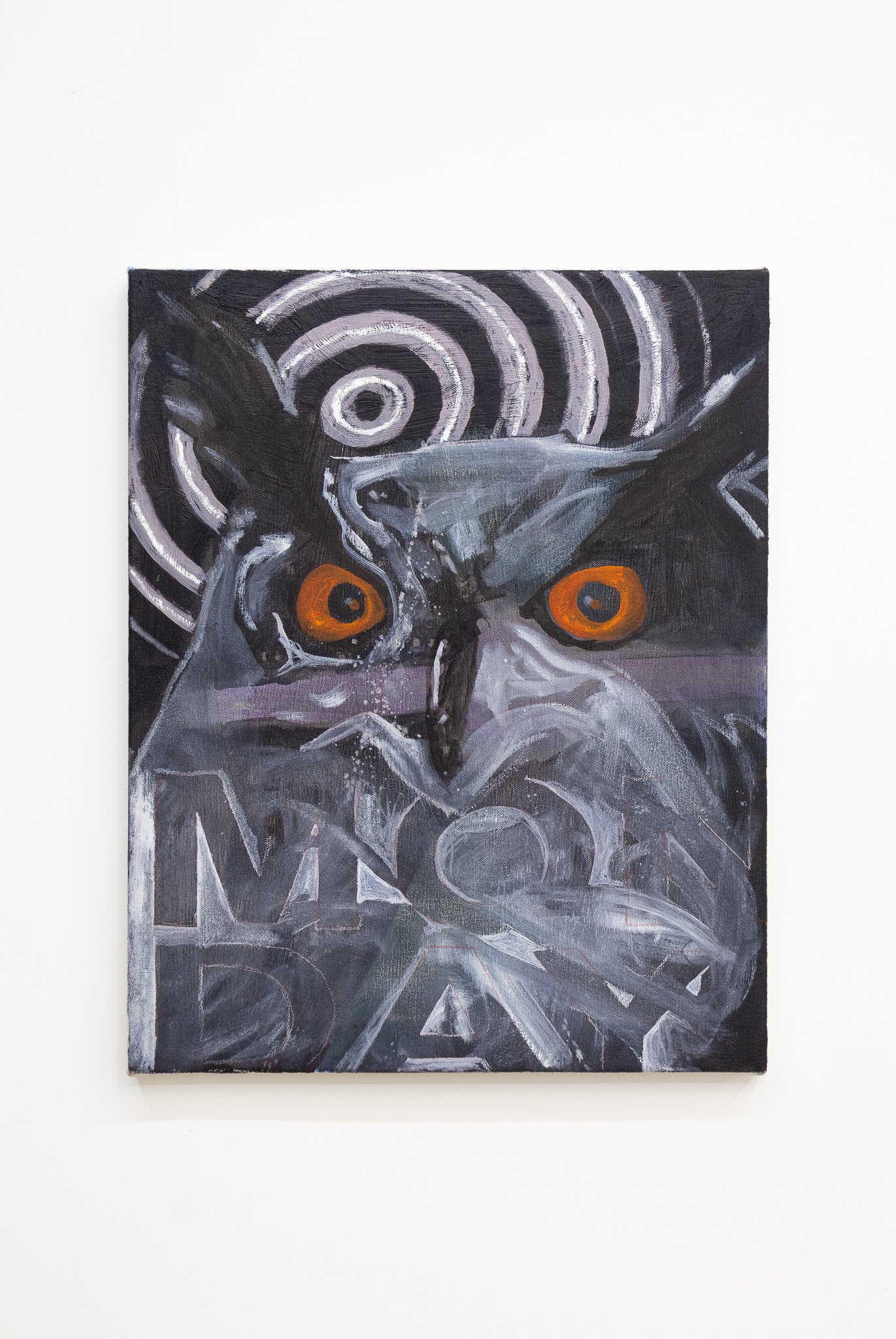
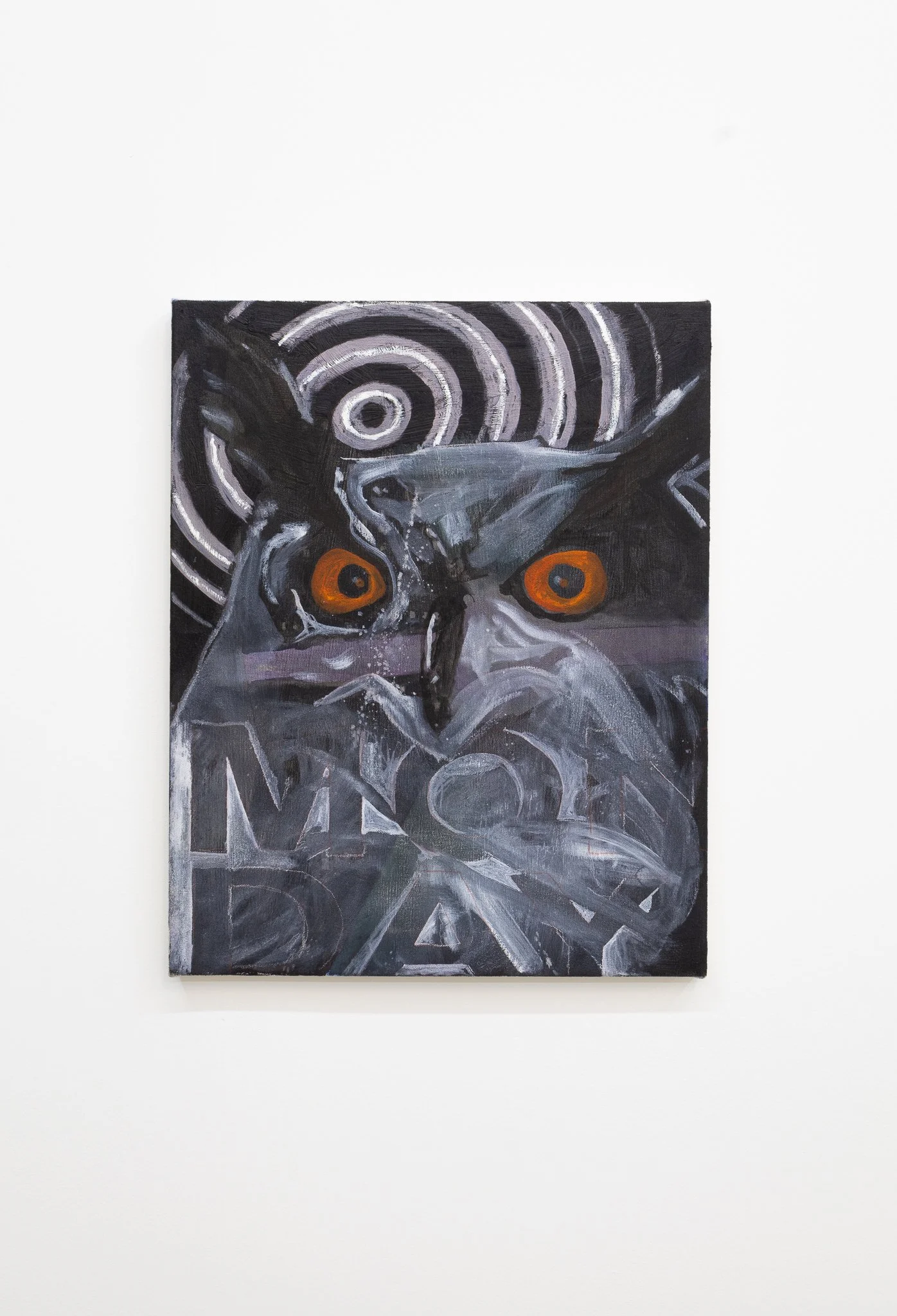
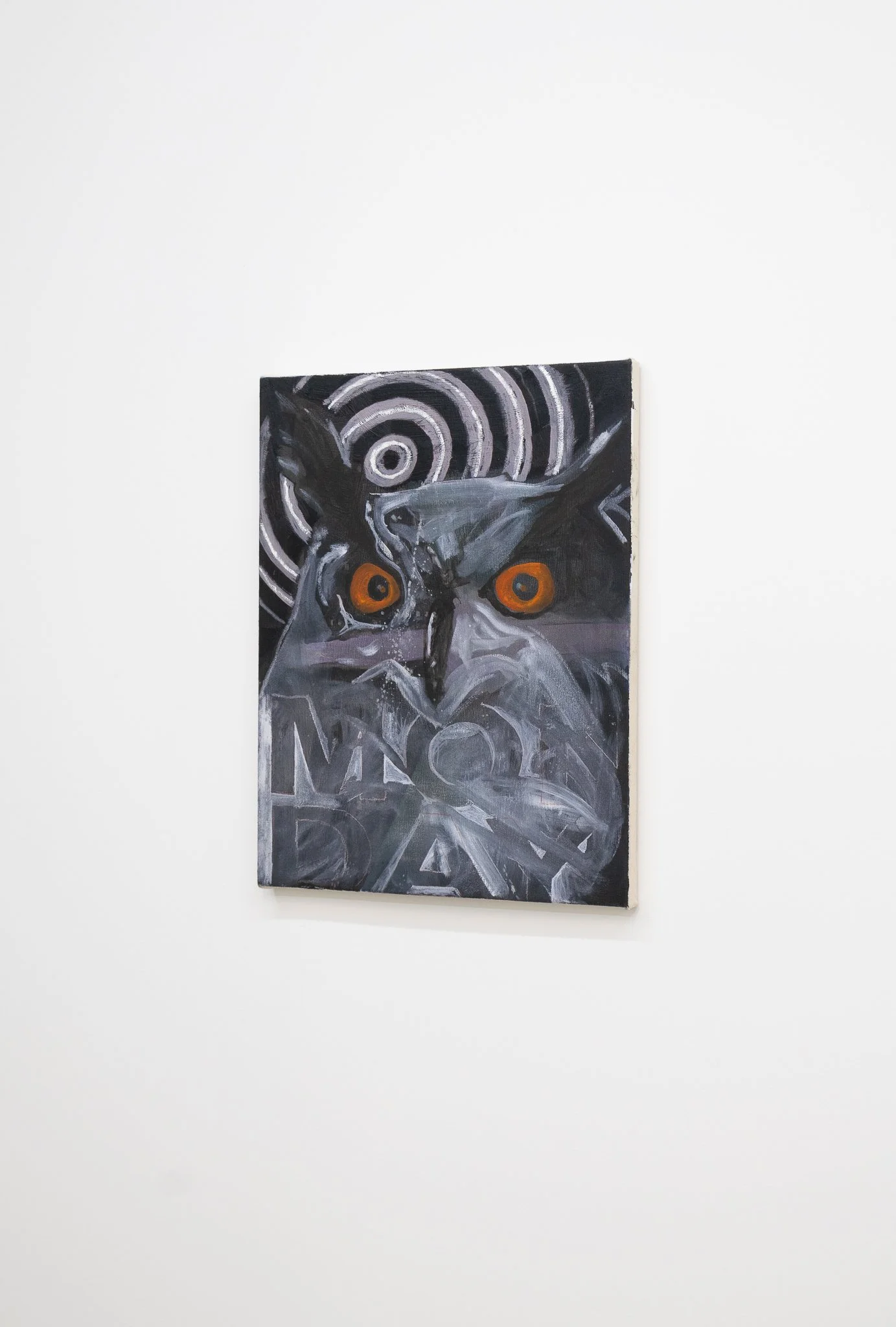
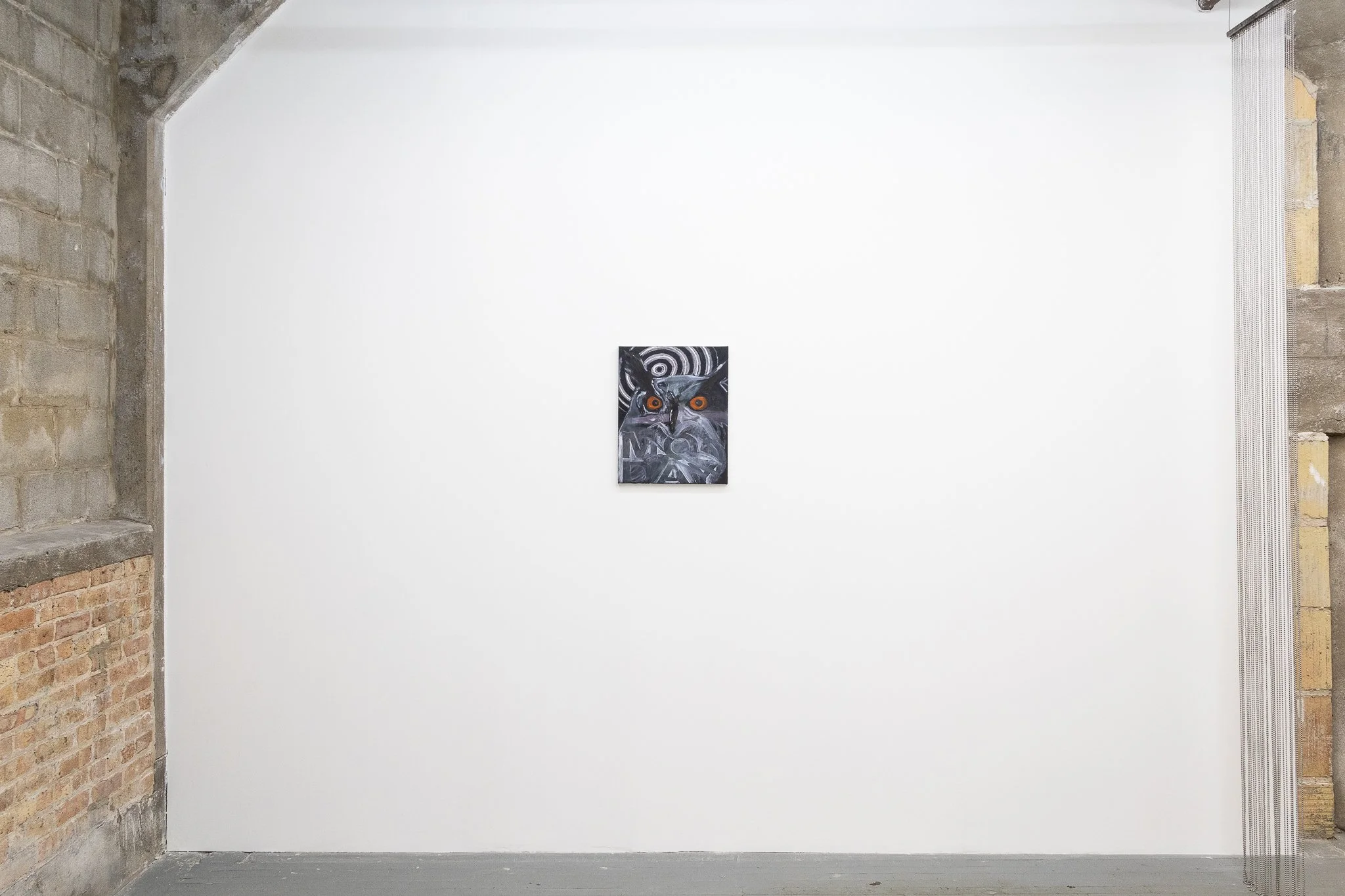
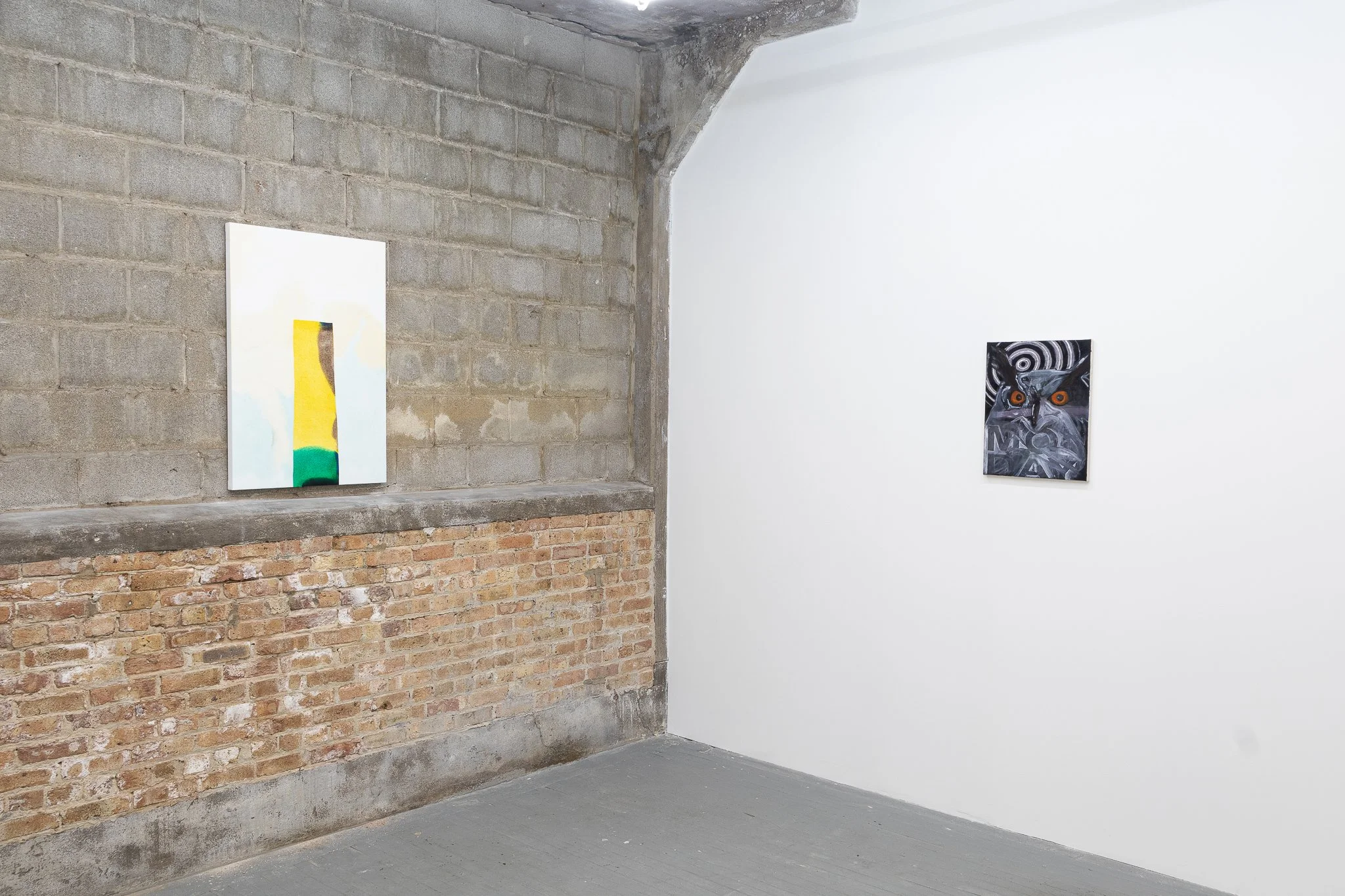
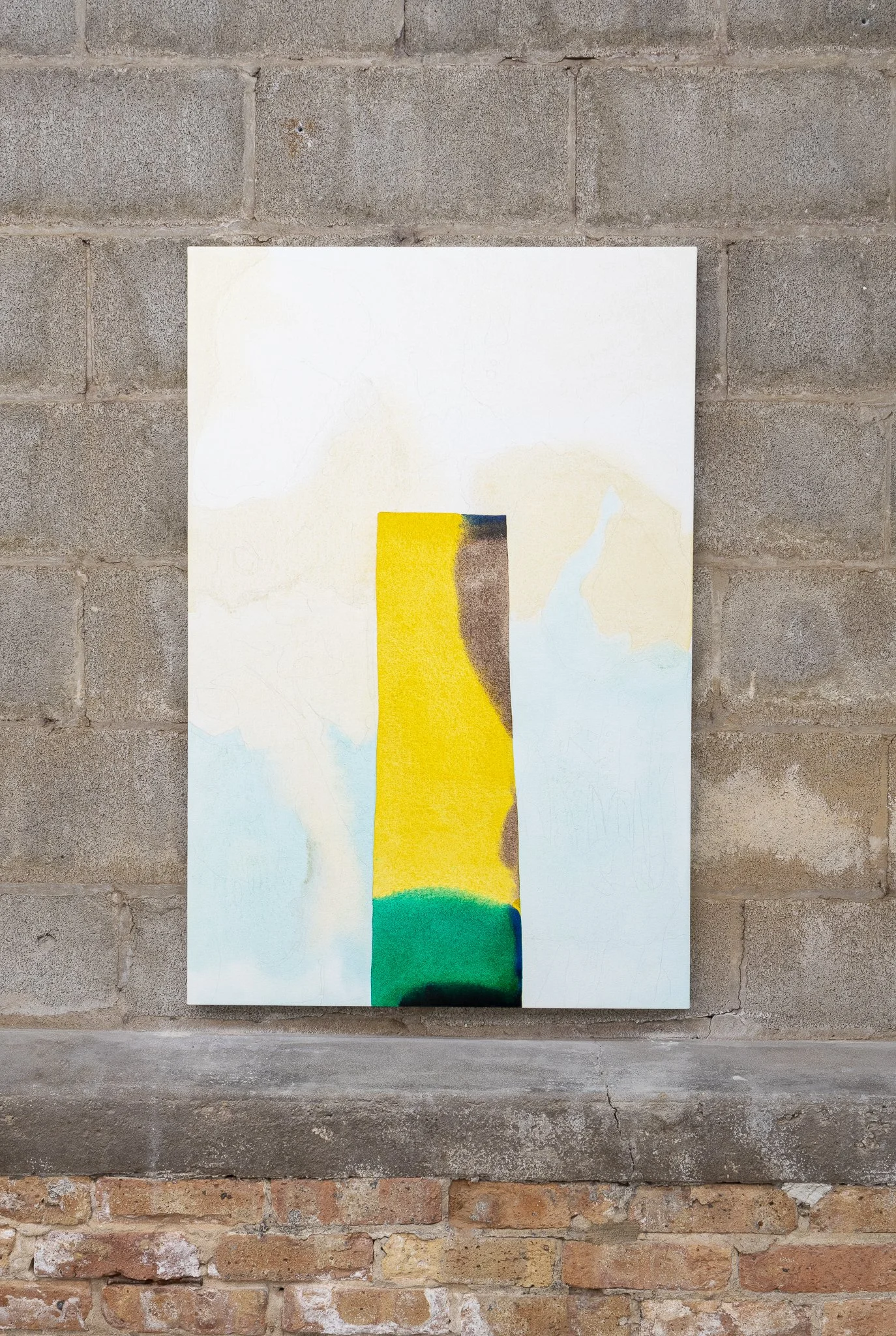
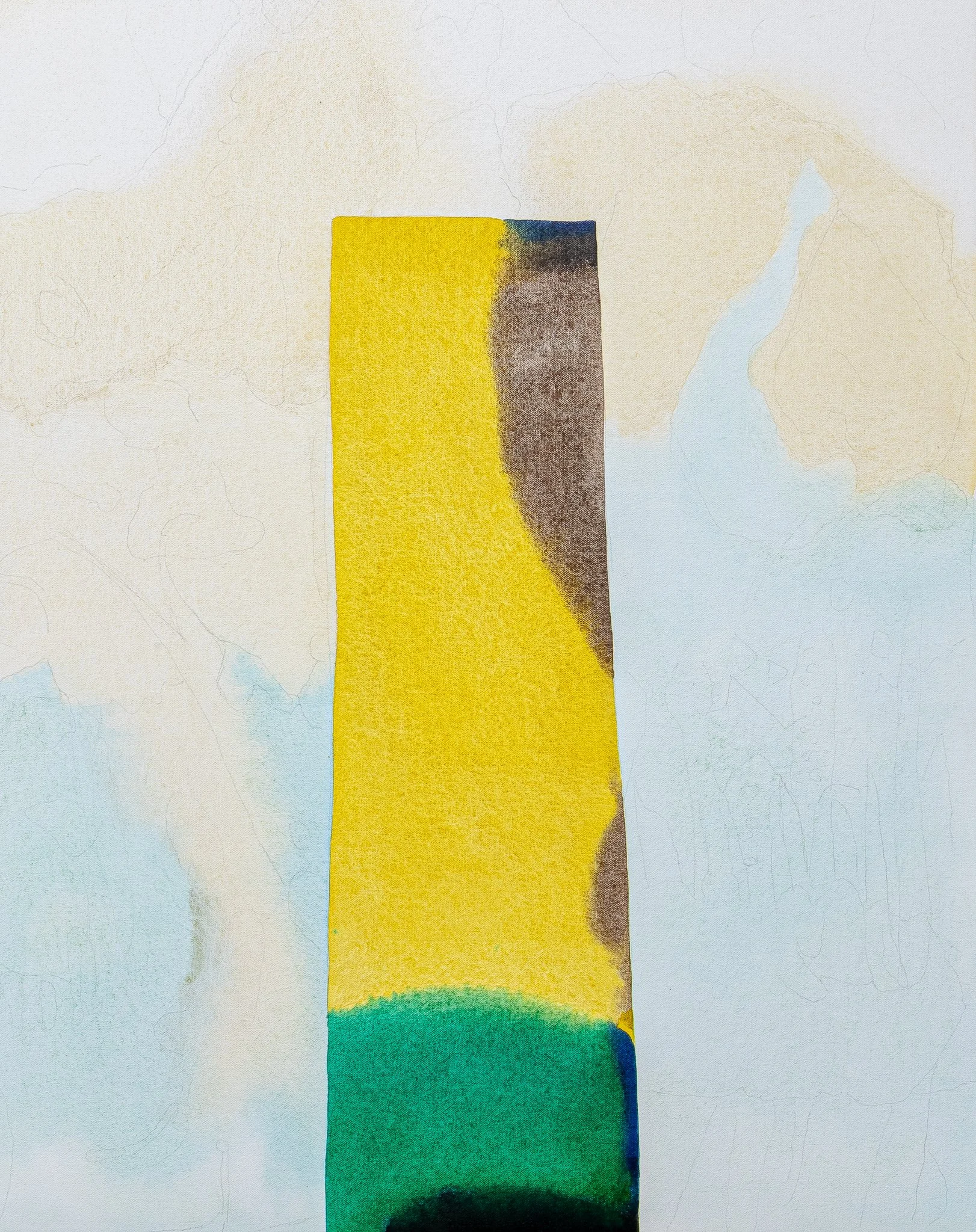
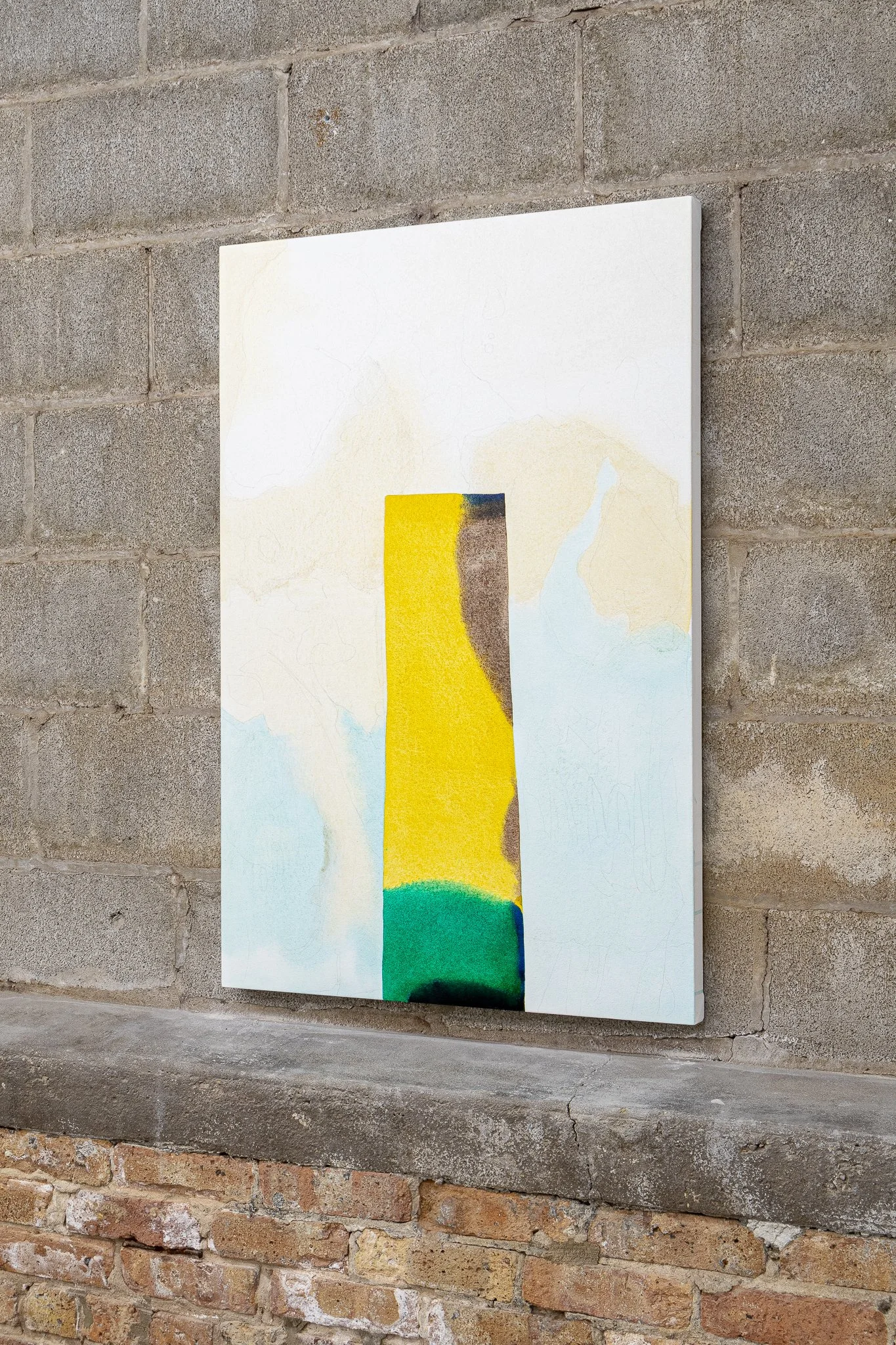
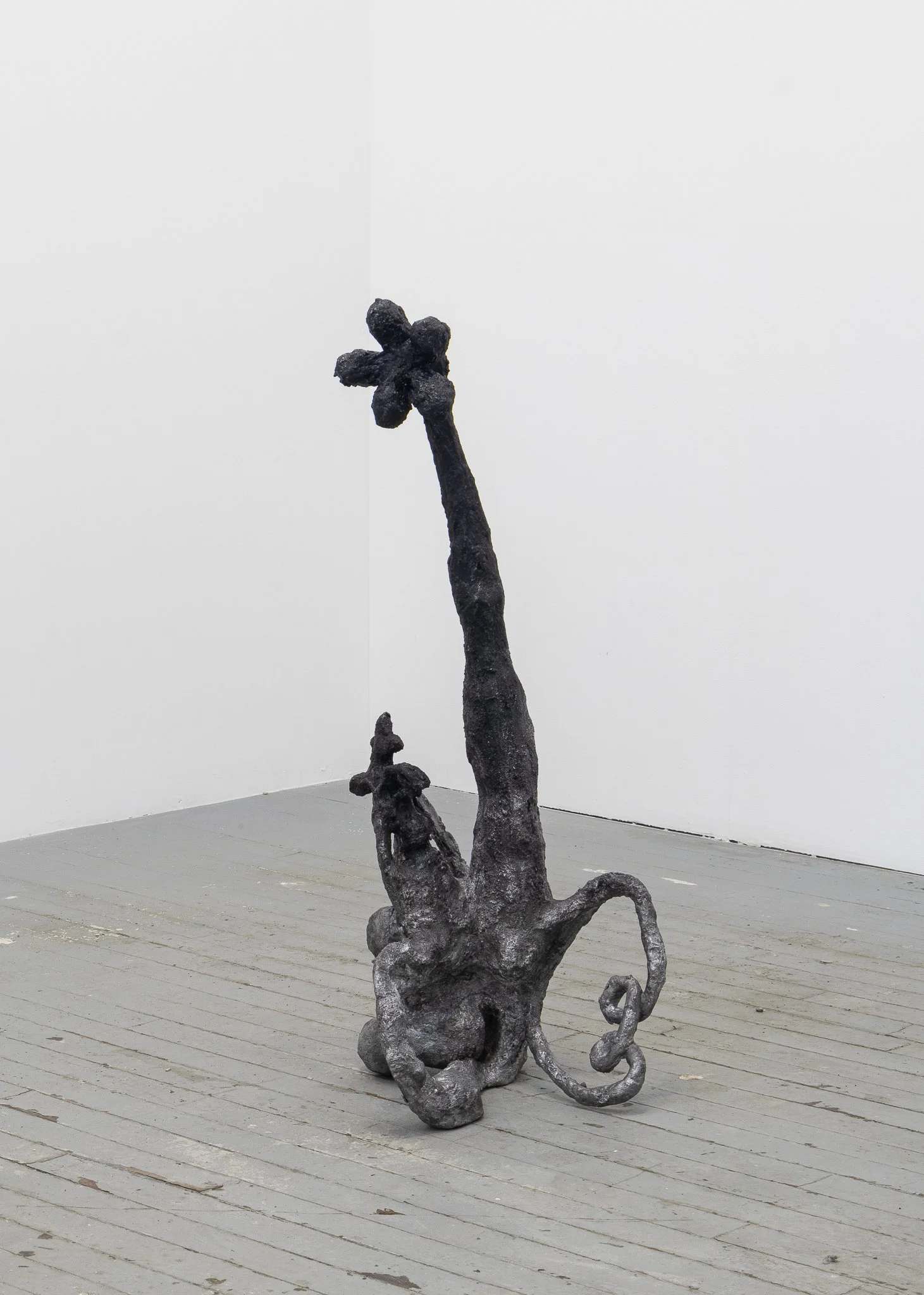
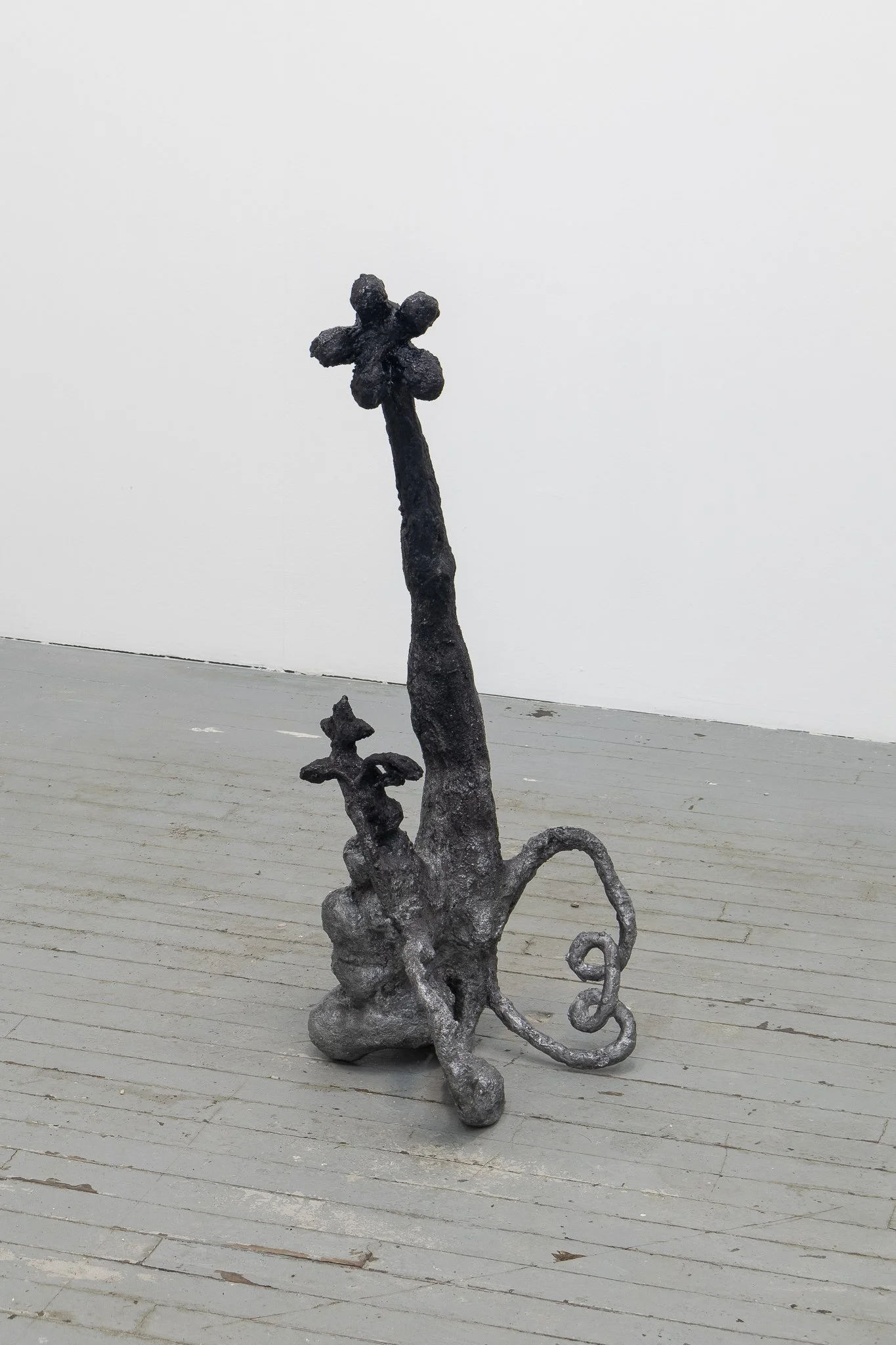
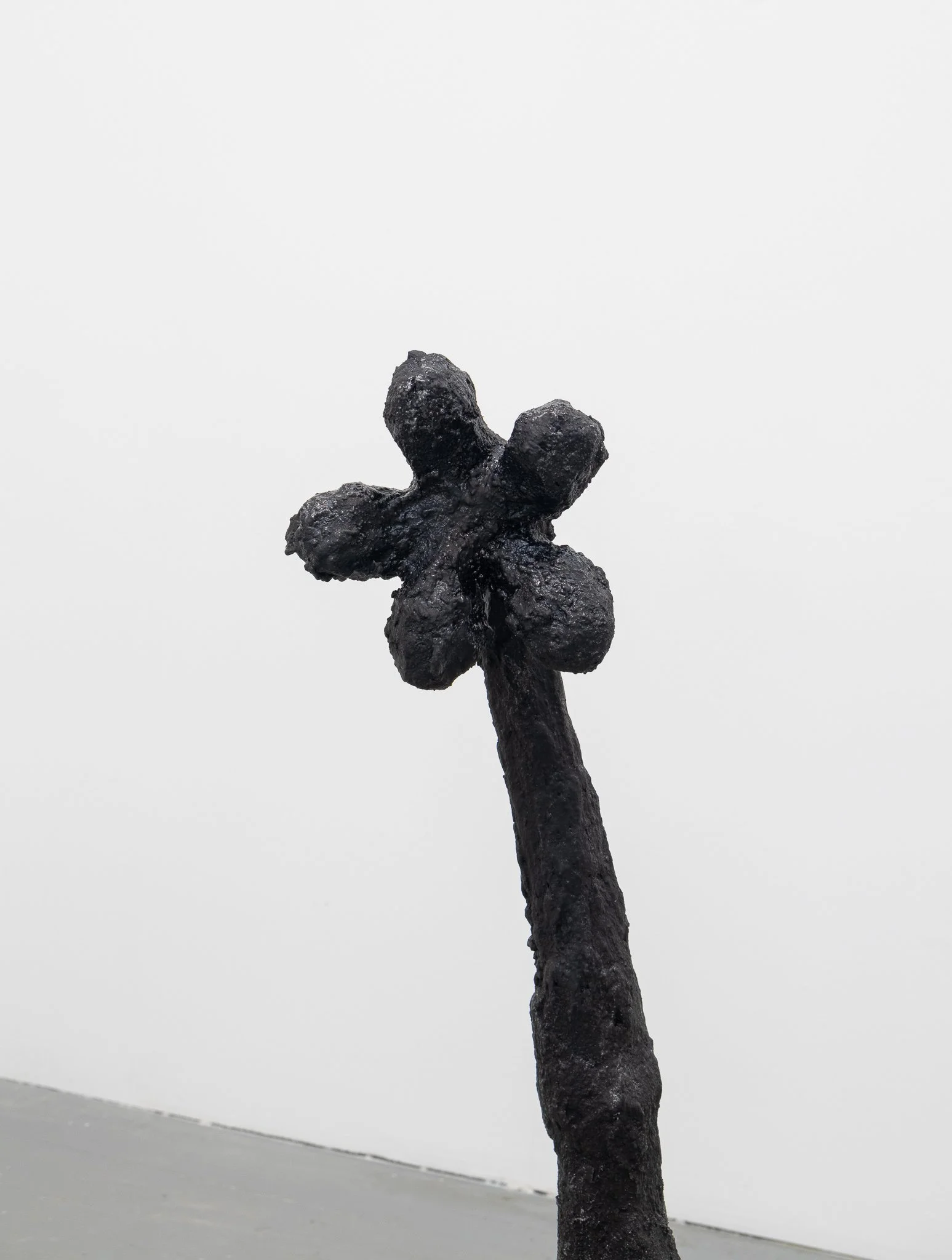
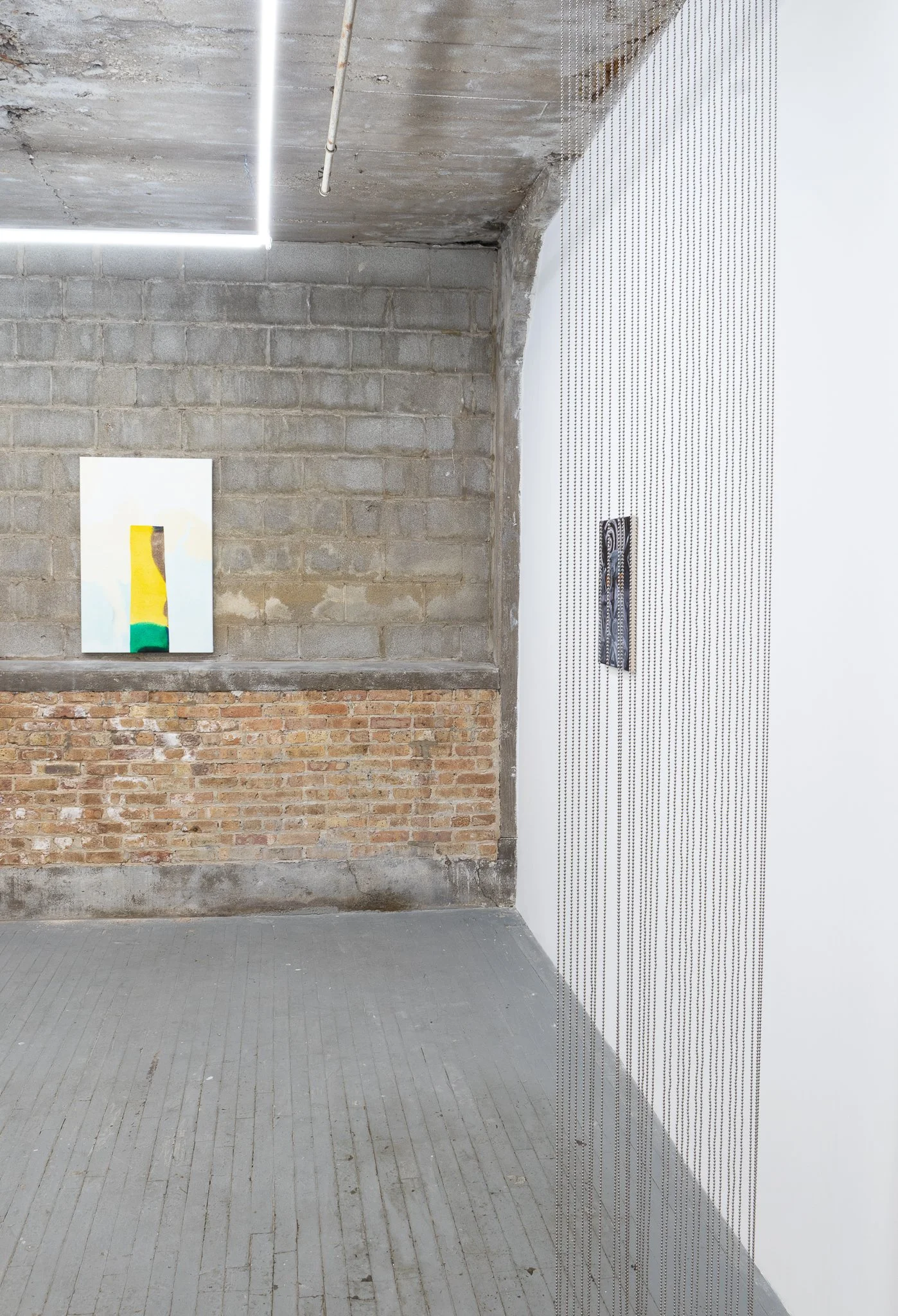
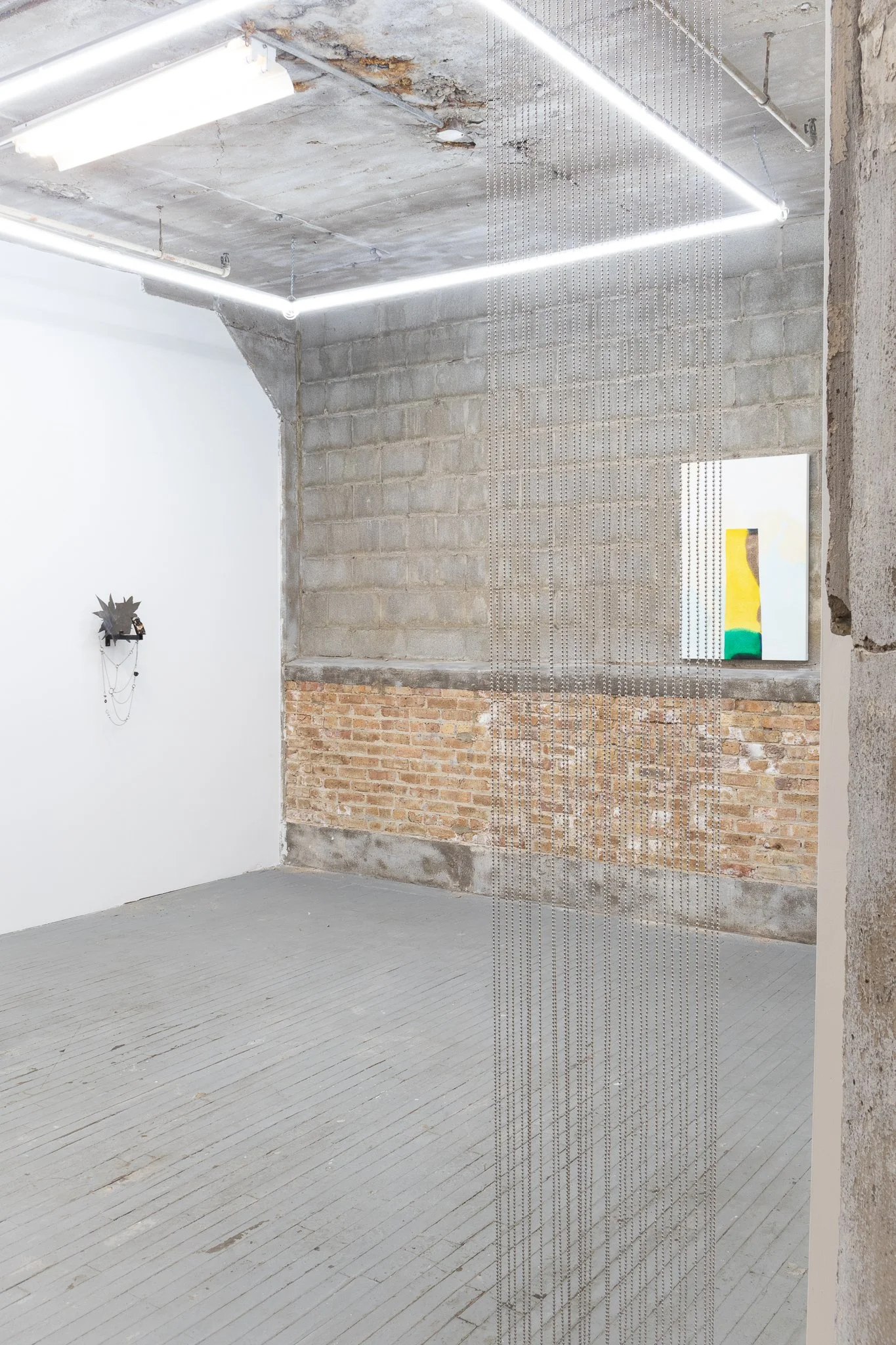
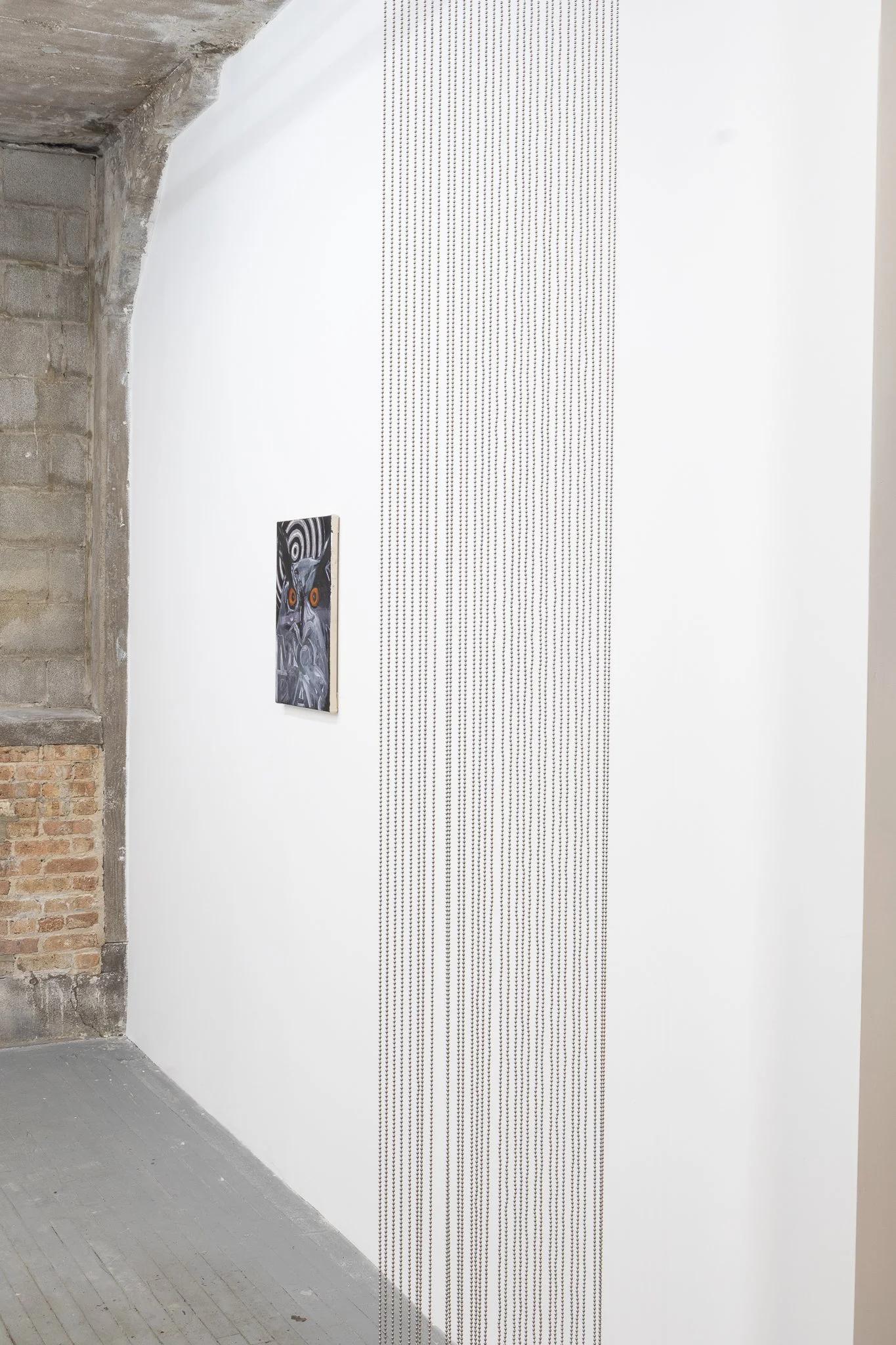
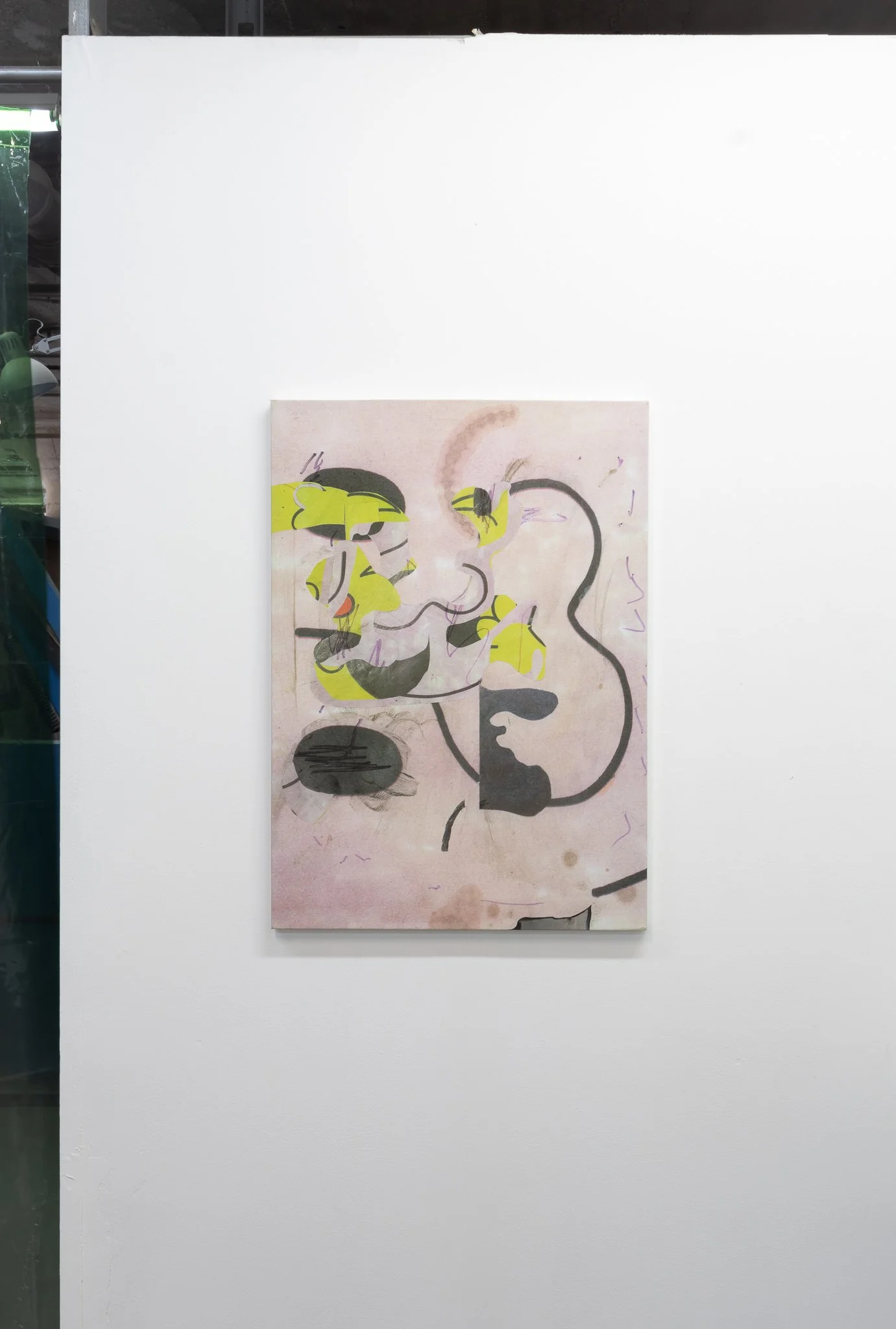
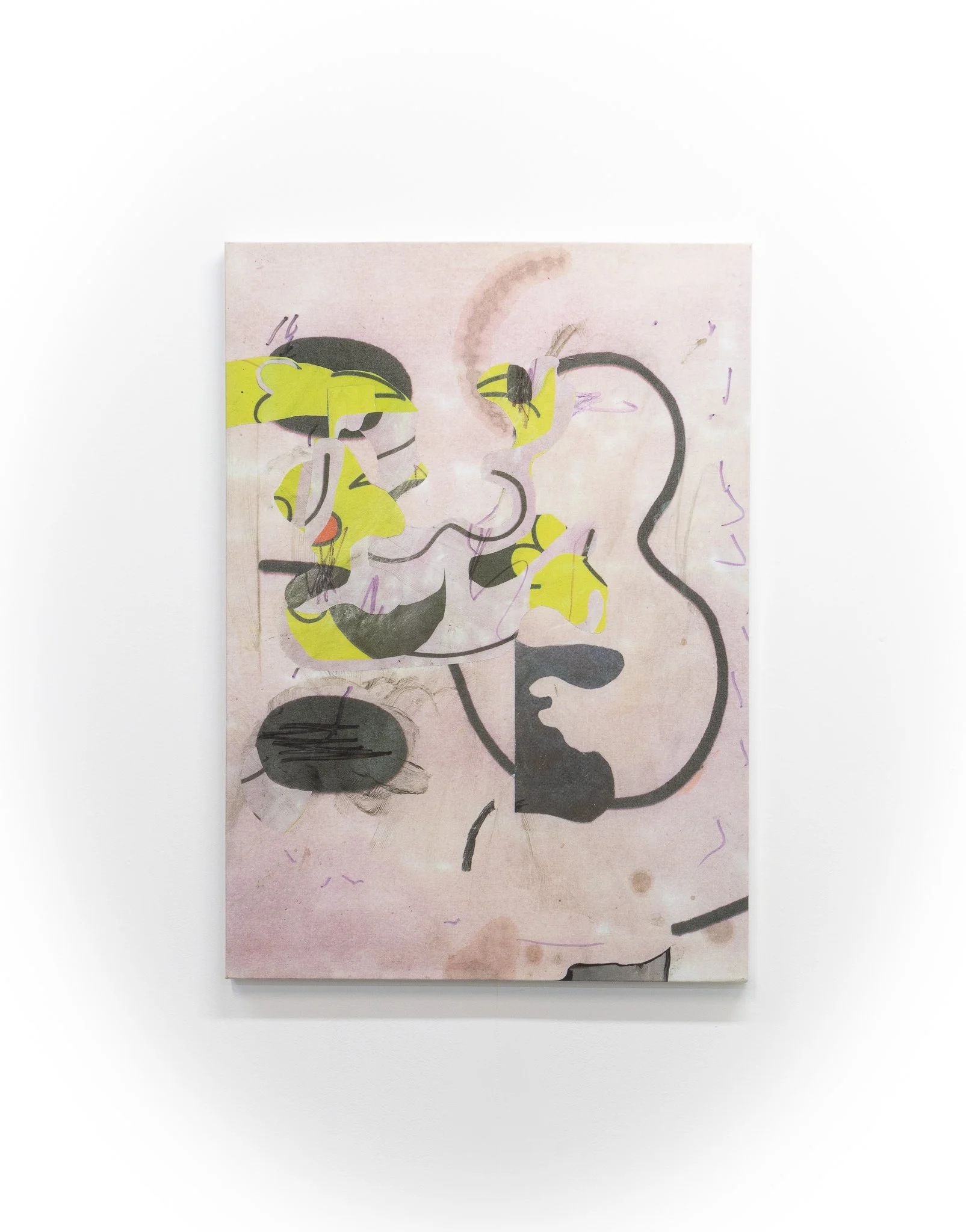
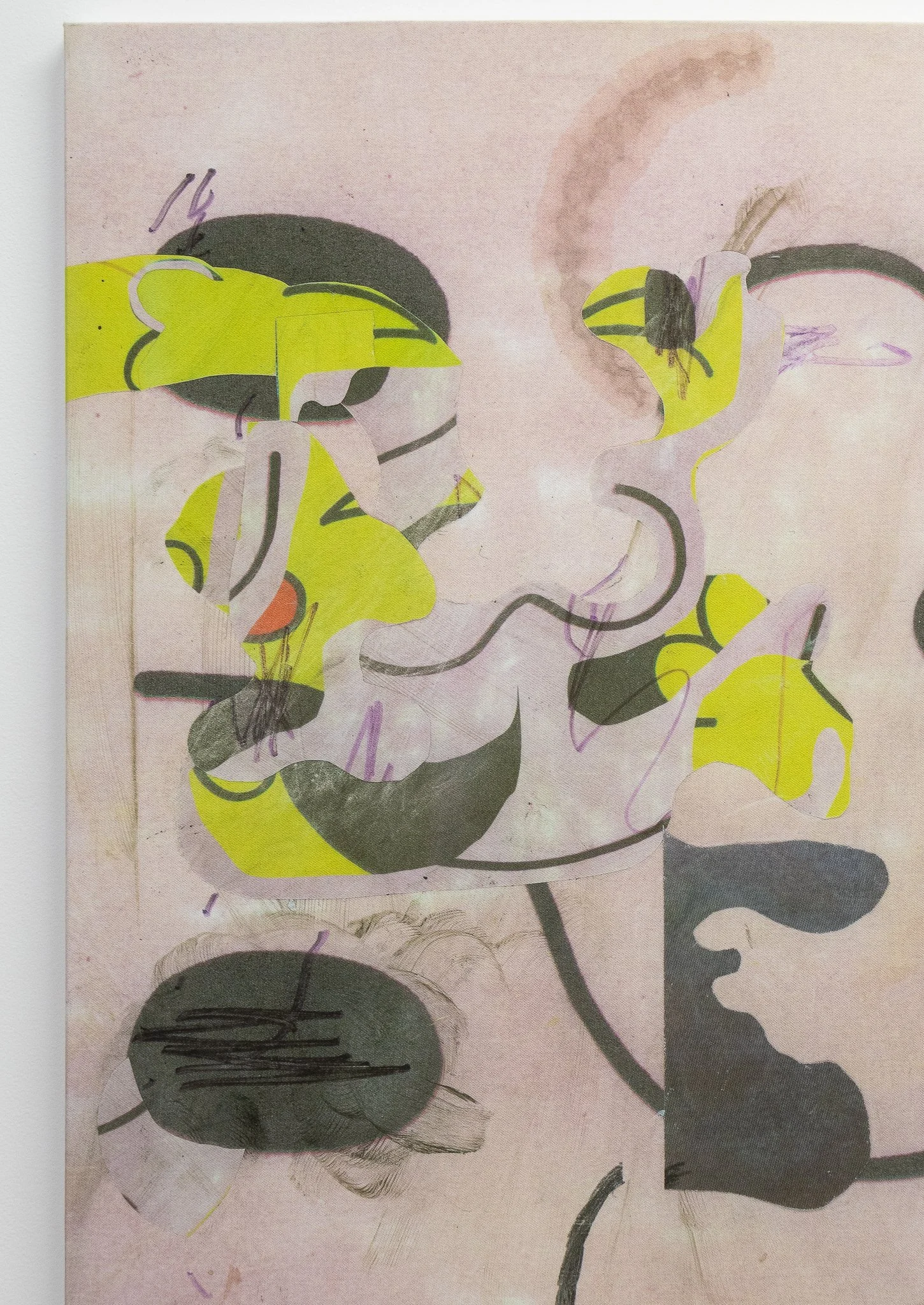
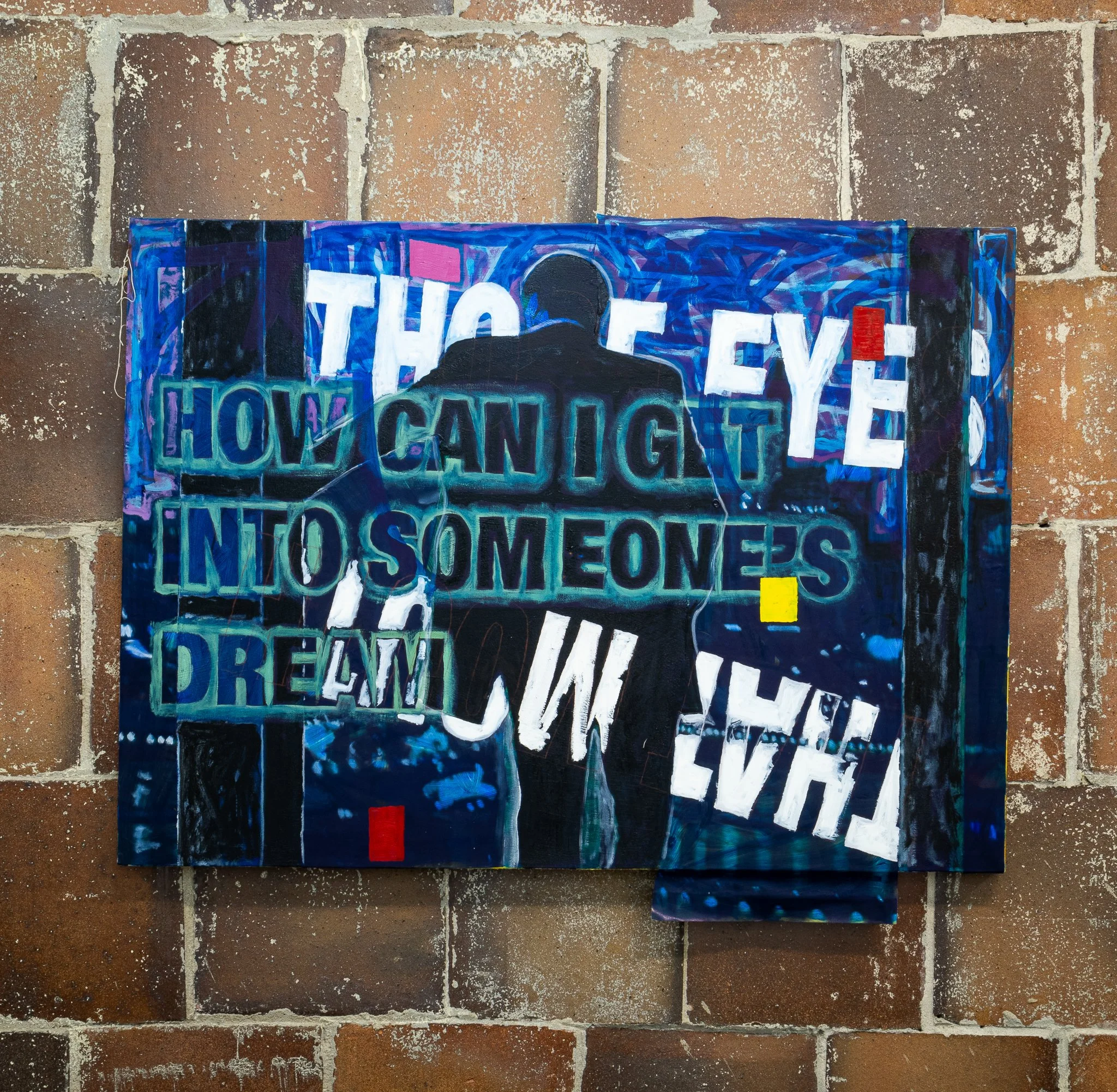
It is a very good thing to feel which way the wind is blowing by moistening one's finger. The works on view in ‘fly by night’ present motifs in painting that are not the subject. Anaïs Morales and Dom Smith both make paintings that begin with some thing…an image, a texture, a thing they saw. Unbound by hierarchies of representation, and negating the dialogues surrounding current notions of abstraction; these elements become mutable forms that are reduced, then shift in scale, and materiality.
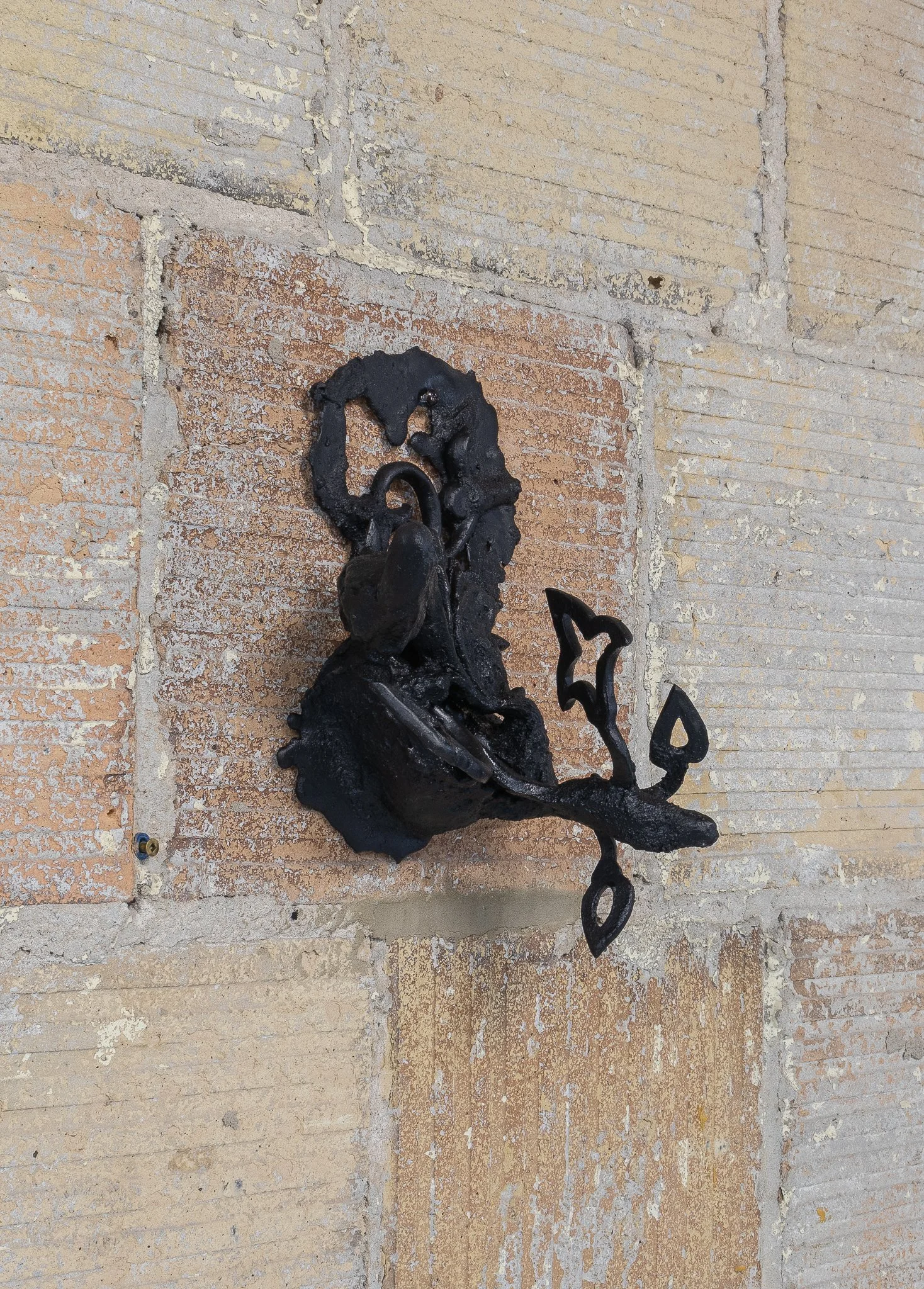
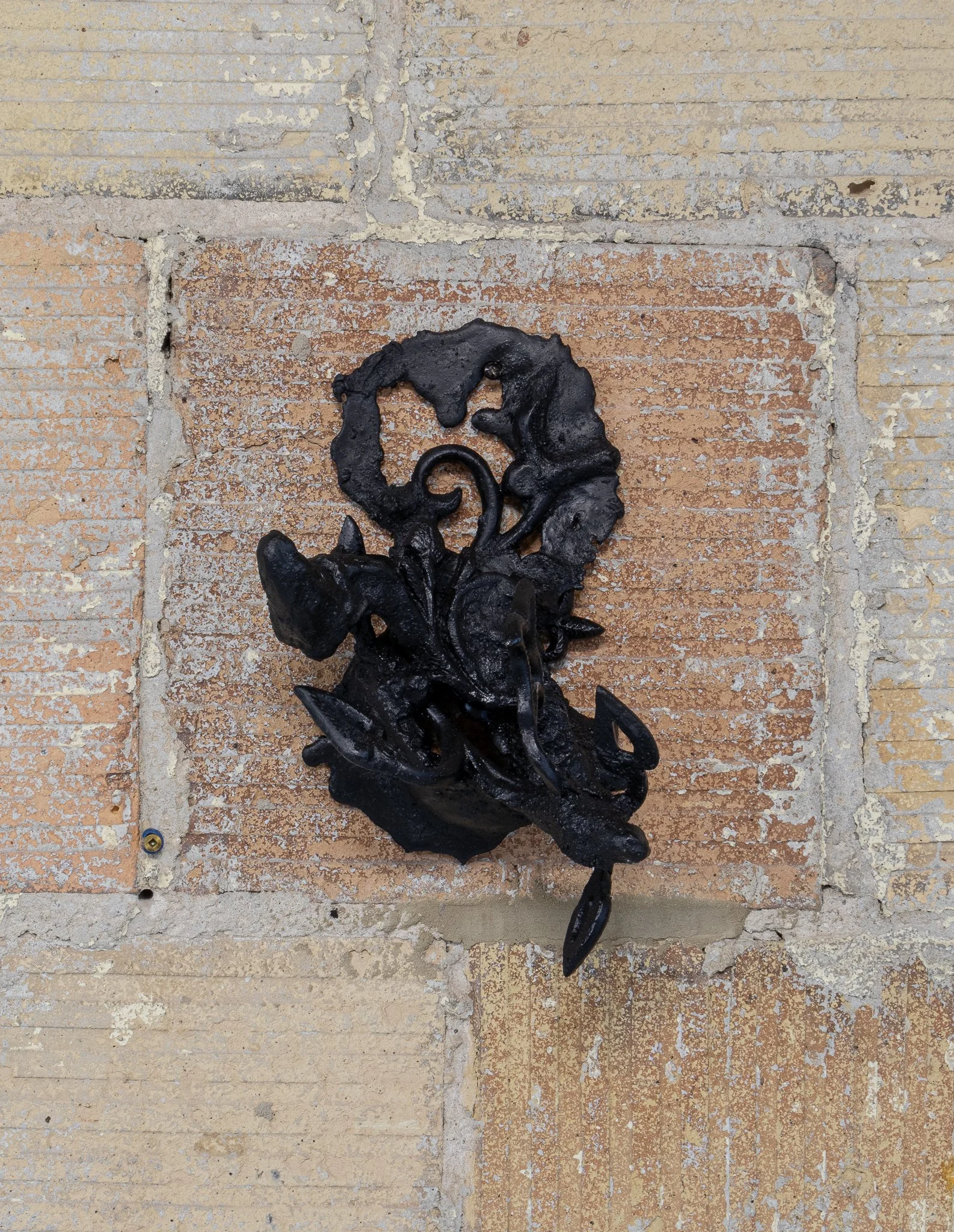
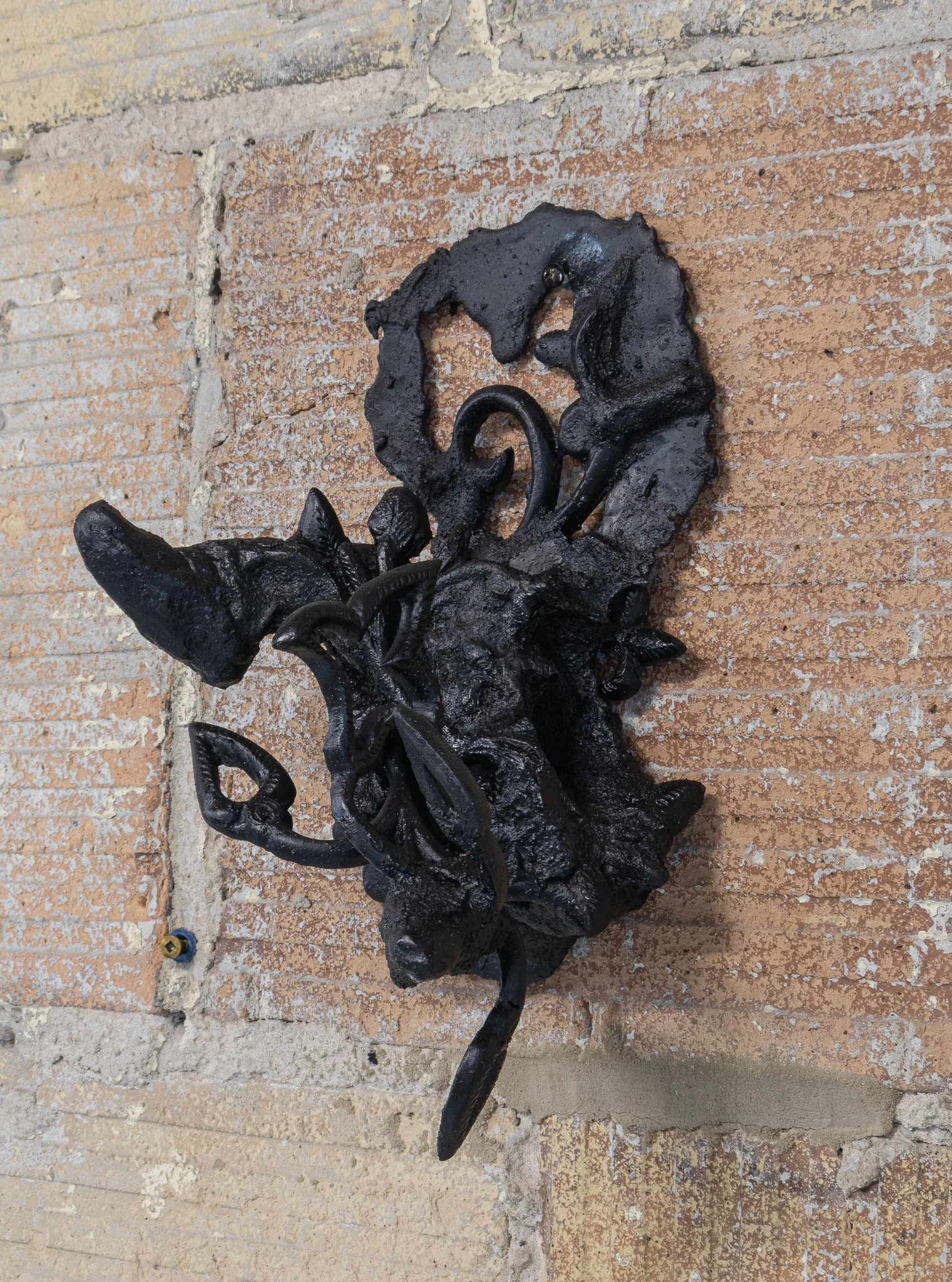
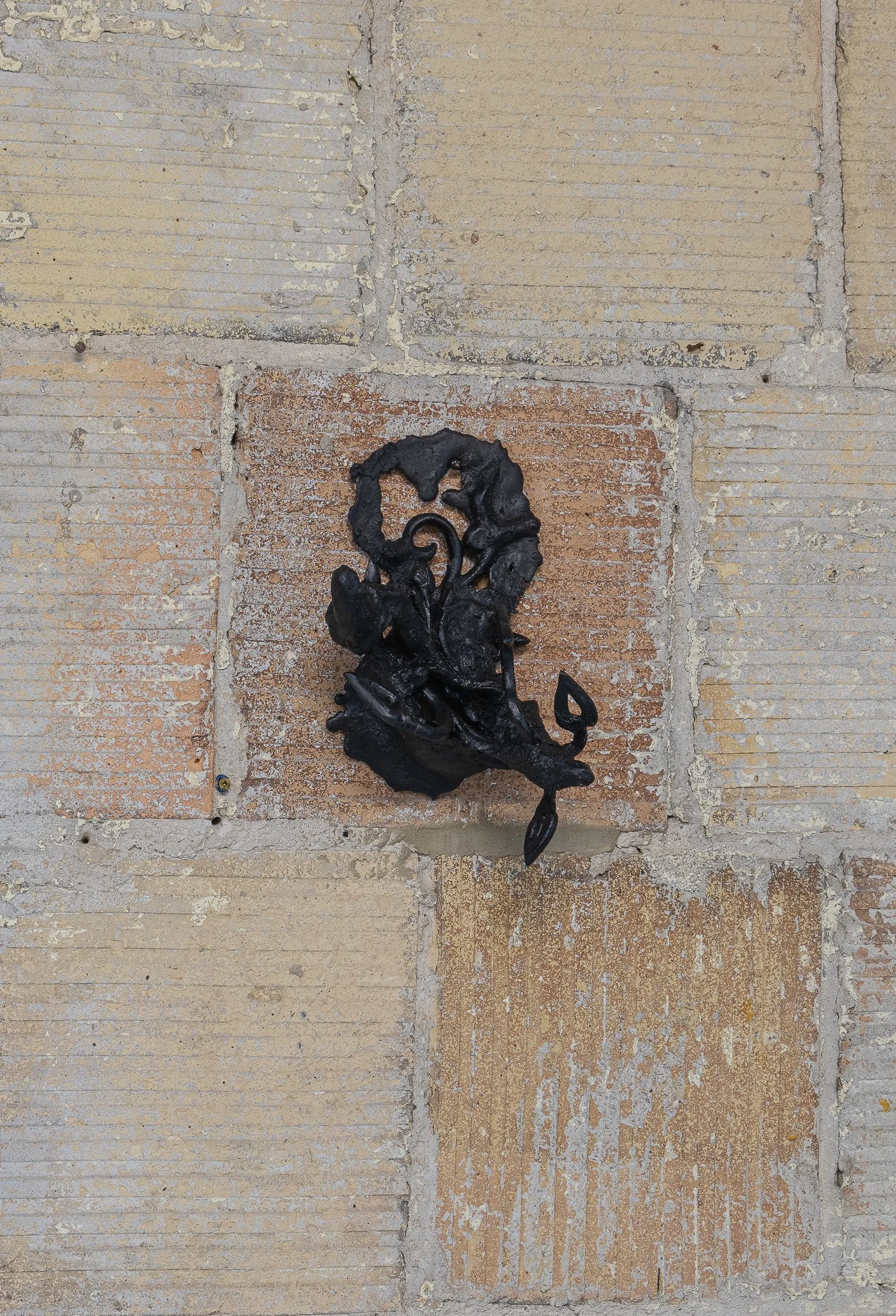
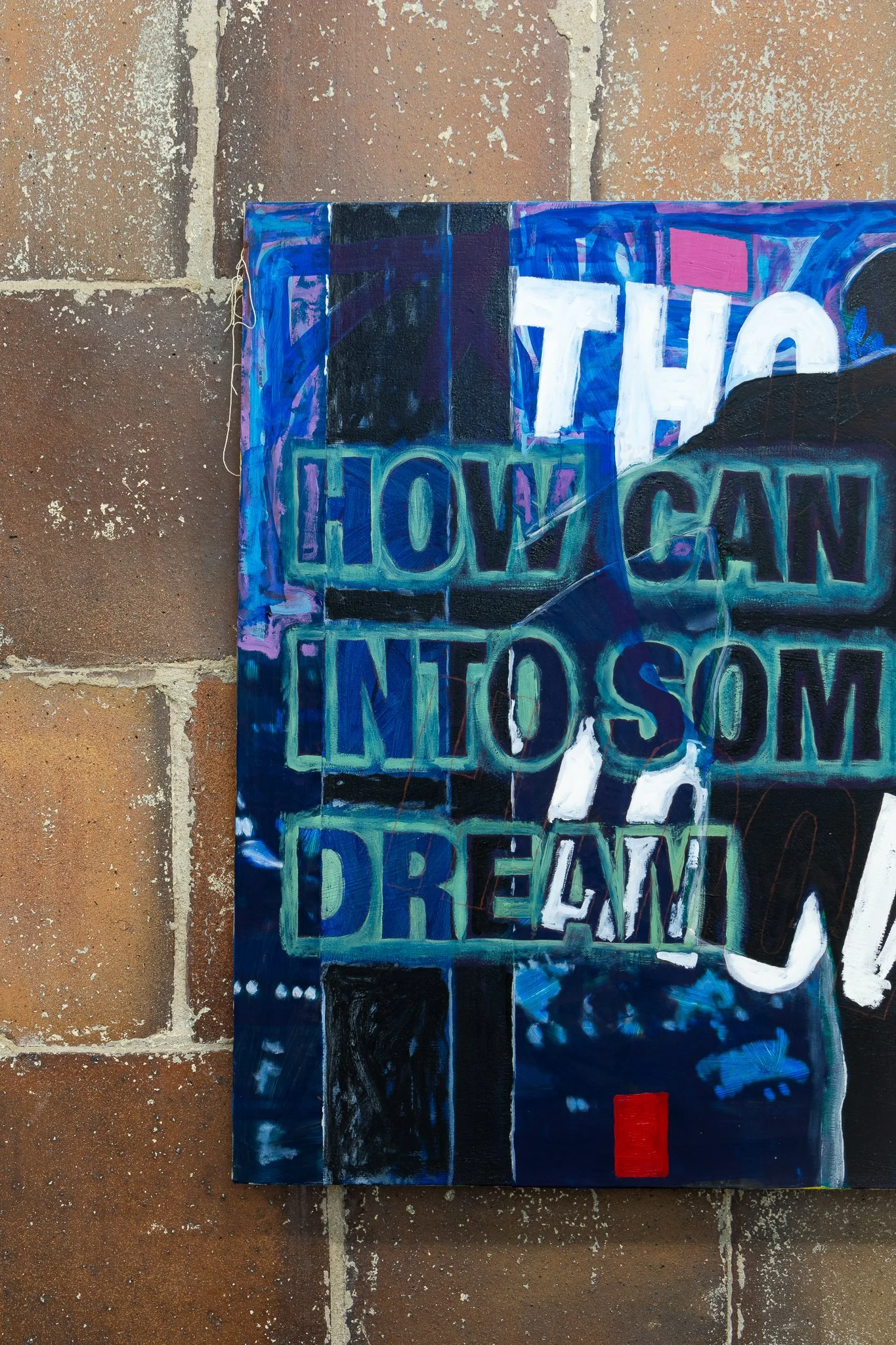
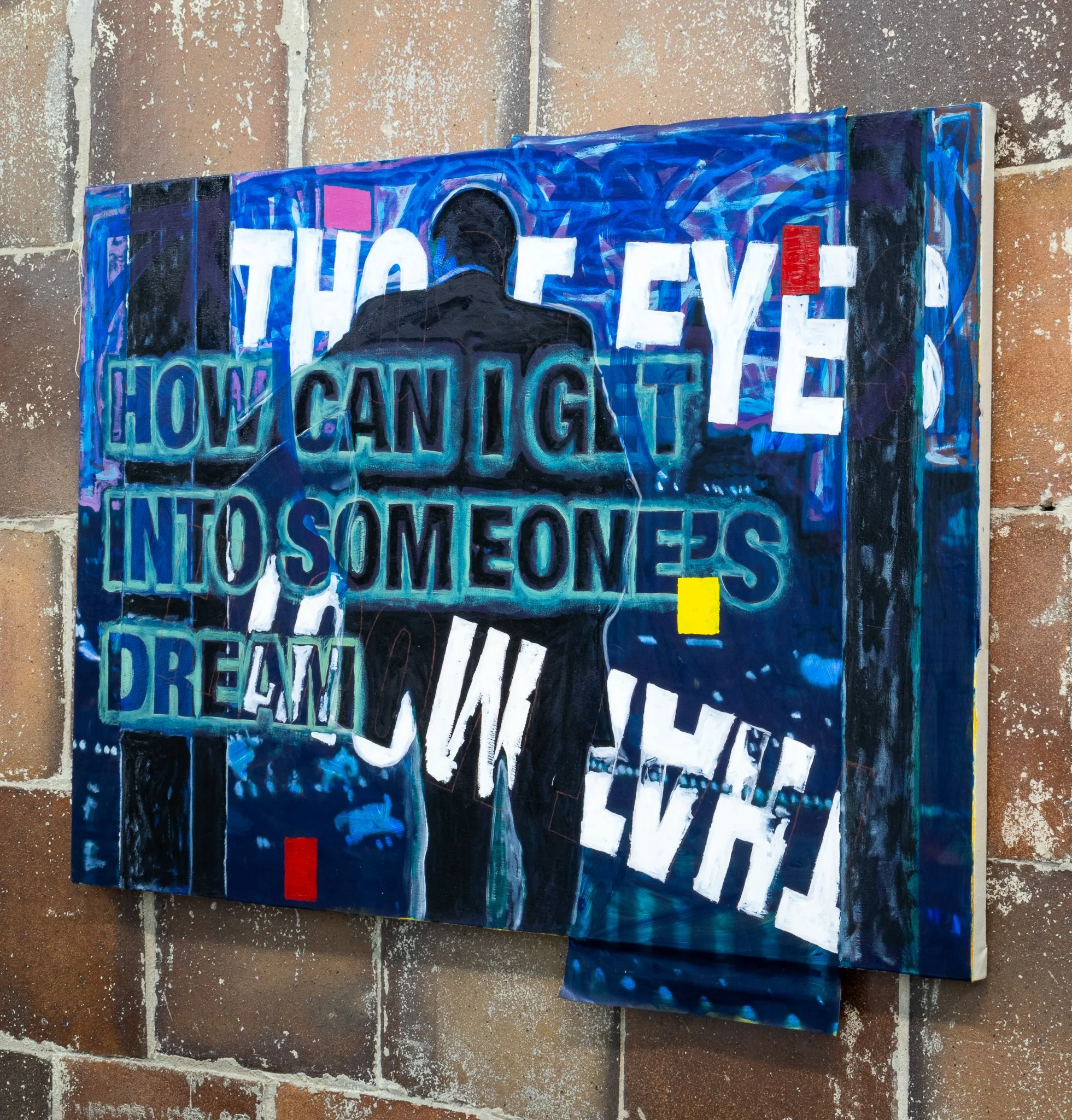
Morales and Smith will be presenting discrete selections from separate yet parallel bodies of work where process and materiality are paramount to expression. On view from Morales will be works from two separate series. The first called Recurrence a vacu formed painting made of polystyrene in which the central form takes on a quasi death mask character; one of the penultimate iterations of a series of work last shown in 2022. The second is a new representational drawing in charcoal on vellum. From Smith, a large scale oil and charcoal painting on nylon will be on view along with an acrylic, oil stick, and charcoal work on paper, and an artist made repoussé and brass patinaed spear tip.
Morales and Smith approach their work as Janus. Dual characters with eyes forward and backward, experimenting through material and process. Proffering these gifts towards the immutable. Thoughts can exist without language, but do morticians ever really get a day off?


